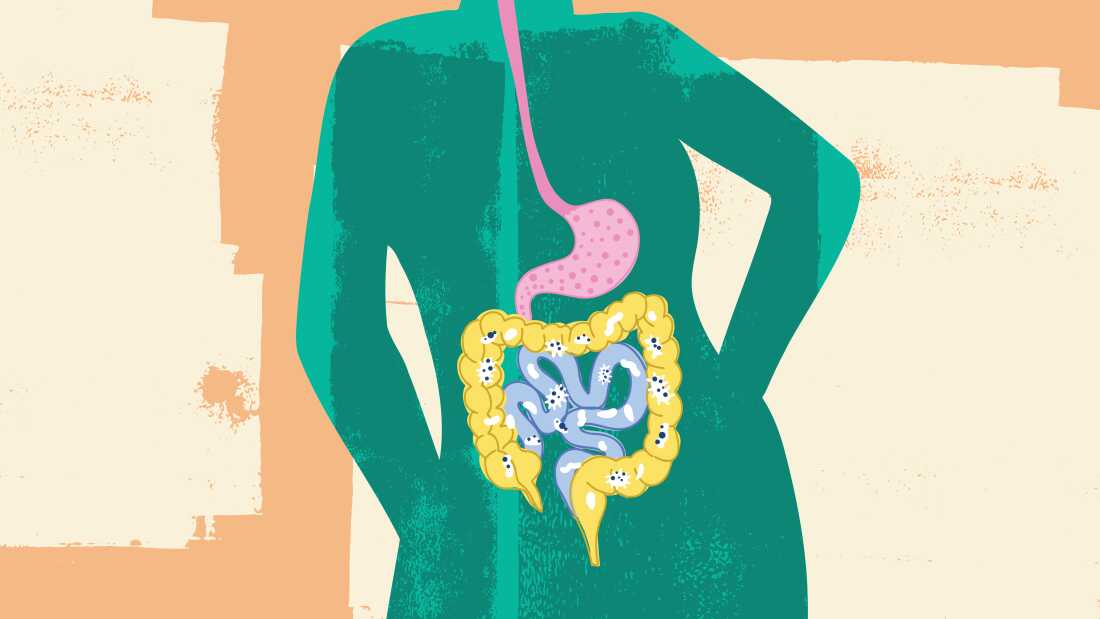
The Gut Microbiome: Variability and Importance
The gut microbiome’s composition can vary significantly among healthy individuals, influenced by factors like geography, lifestyle, diet, and genetics. This bacterial ecosystem plays crucial roles in health, impacting the immune system, mood, metabolism, and more.
Despite interest, defining a ‘healthy’ gut microbiome is challenging. There is no scientific consensus on what constitutes this, with variation among individuals making a single health metric for the microbiome elusive.
What Makes a Healthy Microbiome?
Research offers clues about desirable microbiome traits. A higher diversity of microorganisms can be a positive sign. The microbiome’s resilience to disruptions, such as illness or antibiotics, and its recovery capability are important.
Certain bacteria groups like Roseburia and Bacteroides are linked to health benefits. They perform key tasks such as fermenting fiber and producing nutrients. However, individual microbiomes can differ in composition and function, influencing how they react to diets and interventions.
Challenges of Modern Microbiomes
Concerns exist regarding modern microbiomes and their adaptation to industrialized environments. Lifestyle changes, antibiotic use, and dietary habits have affected gut health.
Though these shifts from ancestral models do not inherently imply a decline in microbiome health, moving from preindustrial to industrial settings can sometimes increase health risks, suggesting complexity in what constitutes a ‘healthy’ biome.
Microbiome Tests and Their Limitations
Commercial microbiome tests offer to assess gut health for a fee, using stool samples to provide extensive measurements and suggestions. However, the lack of a standard definition for a healthy microbiome limits their clinical value.
Research indicates these tests can produce varying results based on methodologies, with marketing claims often not supported by rigorous scientific standards.
Probiotics and Their Role
Probiotics in the supplement market aim to support health, but many lack proven health benefits despite advertising ‘clinical testing.’ Effective probiotics need to meet criteria: microbes must be alive, present in adequate amounts, and show health benefits.
While certain probiotics help specific conditions, such as antibiotic-associated diarrhea, they are not a fix-all solution. They work temporarily to enhance immune responsiveness, not permanently colonize the gut.
Improving Gut Health: Diet Recommendations
Increasing fiber intake from diverse sources like nuts, fruits, and vegetables boosts gut health by supporting beneficial bacteria. Most people don’t meet the daily recommended fiber goals.
Including fermented foods like kimchi and yogurt, which contain live cultures, can enhance microbiome diversity and reduce inflammation markers, especially those without added sugar.
Dietary Considerations
While extreme online narratives vilify certain foods, overall dietary composition is crucial. A diet emphasizing whole foods, minimizing refined sugars and saturated fats, benefits gut health. Evidence suggests ultra-processed foods and additives may harm the microbiome.
Lifestyle and the Microbiome
Lifestyle elements like sleep, exercise, and mental health significantly affect the microbiome. Simple lifestyle modifications can improve gut health even without diagnosed conditions. Promises of quick fixes by health gurus often fall short of microbial science’s true capabilities.
 Medicare Lab Test Payments: Upcoming Changes and Their Implications
  Gen Z Faces Economic Barriers to Dating and Intimacy
  Understanding and Preventing Suicide: A Public Health Priority
  Presley Gerber’s Death Highlights Concerns in Addiction Treatment Approaches
  MAHA Activists Challenge Trump and RFK Jr. on mRNA Vaccines
  Fraud Task Force Saves Billions by Targeting Obamacare Fraud