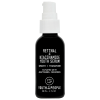
Retinol stands out as a versatile and effective ingredient in skin care. Dermatologists appreciate its ability to increase skin cell turnover and boost collagen production, which helps keep skin smooth and firm. Its efficacy is well-documented. Now, a related ingredient called retinal, or retinaldehyde, shows the potential to outperform retinol. Retinal belongs to a class called retinoids, which includes both retinol and retinal, but offers greater potency. It enhances skin texture, clears breakouts, balances skin tone, and reduces fine lines and wrinkles.
Retinal vs. Retinol
Retinoids, derived from vitamin A, address acne, wrinkles, and hyperpigmentation. Some require a prescription, while others are available over-the-counter. Retinal is the most potent of non-prescription options. Dr. Gloria Lin of Schweiger Dermatology states that retinal’s strength can surpass retinol, providing smoother and clearer skin textures.
“Retinal offers faster results than retinol due to its direct conversion to retinoic acid,” says Dr. Michael Jacobs, a dermatologist at Weill-Cornell Medical College.
Choosing the Right Retinal Product
Your choice of retinal product should consider your experience with retinoids and skin type. Below is a list of recommended face serums and creams targeting wrinkles, fine lines, and breakouts. These products incorporate balancing moisturizers, with many being fragrance-free to reduce irritation risks.
- Best overall: A fragrance-free serum with 0.15% retinal, combined with niacinamide and ceramides for nourishing skin.
- Best budget pick: An overnight serum featuring two retinoids: 1% granactive retinoid and 0.06% retinal, plus hyaluronic acid for hydration.
- Best for beginners: A lower concentration of 0.05% retinal, perfect for beginners due to its cream serum texture and encapsulated retinal for skin absorption.
- Most versatile: A fragrance-free night cream with 0.05% retinal, antioxidants, peptides, and botanical oils for hydration and skin protection.
- Editor’s pick: Combines retinaldehyde with alpha hydroxy acids, providing exfoliation and reducing fine lines and dark spots.
- Best splurge: Ideal for targeting fine lines and wrinkles with a proprietary soothing complex that calms and hydrates.
- Most gentle: A serum with 0.1% retinal, ceramides, and ectoin to prevent retinoid inflammation and irritation.
- Best K-beauty retinal: An eye cream with retinal, ginseng extract, and niacinamide to firm and brighten under-eye areas.
- Best for sensitive skin: Contains thermal spring water, vitamin E, and peptides, available in 0.05% to 0.1% concentrations.
- Best for mature skin: Features encapsulated retinal and botanical ingredients designed to improve sagging skin.
- Best for dull skin: A serum to combat fine lines and firm skin, enhancing brightness and evening skin tone without causing dryness.
- Best for acne-prone skin: Creamy overnight treatment for reducing fine lines, pores, and acne triggers with jojoba seed oil.
Benefits of Retinal
Retinal, a vitamin A derivative, delivers quicker results than retinol. It is ideal for those unable to tolerate prescription retinoids, offering an effective alternative. Retinal always provides benefits to skin lacking exposure to retinoic acid, thus potentially requiring fewer conversions, which reduces irritation risks. Dr. Lin recommends retinal for improving skin care regimens progressively.
Guide to Shopping for Retinal Products
When selecting retinal products, choose a suitable concentration for your skin type. Start with a lower concentration and increase usage gradually. It’s crucial to note your skin type and tolerance, considering potential side effects. Those with sensitive skin should approach with caution and consider retinol before progressing to retinal.
Keep an eye on additional moisturizing and soothing ingredients such as hyaluronic acid or ceramides. Encapsulation technology can help mitigate irritation by providing a slow, steady release of retinal to the skin, maintaining ingredient stability.
Frequently Asked Questions
Retinol and retinal differ in their chemical structures and conversion processes. Retinol requires multiple steps to convert into retinoic acid, while retinal needs only one step, making it quicker and stronger. Retinal can deliver faster and more noticeable results for skin improvement than retinol.
Although retinal is more potent, it might actually cause less irritation because of fewer conversion steps needed in the skin. However, everyone’s skin tolerates products differently, so some may still experience sensitivity. Those with eczema or rosacea might find retinoids exacerbating their condition.
To incorporate retinal safely, begin with lower concentrations and gradually adjust usage. Retinoids are not advisable during pregnancy or breastfeeding. If your routine includes exfoliating acids, consider alternating use to avoid potential irritation.
Expert Insights
Experts emphasize considering skin type and tolerance when choosing retinoid products. Dr. Gloria Lin, Dr. Michael Jacobs, and Dr. Julie Russak advise on prudent retinal use, emphasizing gradual adoption and adjustment based on individual skin response.
 Levoit Cordless Vacuum: An Affordable and Efficient Cleaning Solution
  Choosing the Best Afghan Blanket
  Affordable Halloween Decorations for a Spooky Yard
  Bedsure Heated Blanket: A Cozy Essential for Fall and Winter
  Steve Lotysz: From Gates to Galleries
  Summer’s Major Disappointments and Season Preferences