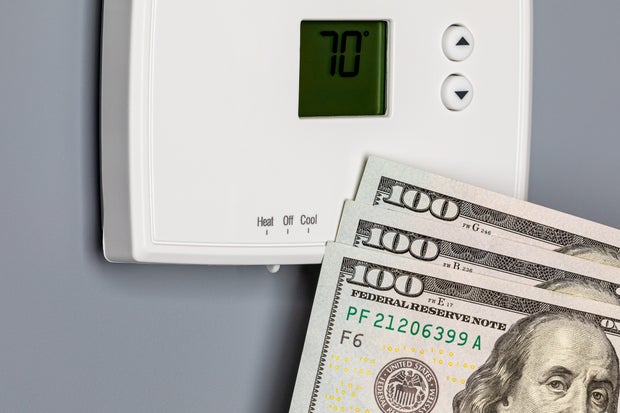
Your home size, unit efficiency, and installation complexity can influence the final cost of a central AC unit.
Image by JJ Gouin/Getty Images
Homeowners are often aware they’ll eventually need to replace key components of their homes. Roofs, water heaters, HVAC systems, large appliances, and flooring all have limited lifespans. However, predicting when a central air conditioning system will require replacement or estimating its cost can be challenging.
This cost consideration grows important as homeowners look to manage maintenance expenses long-term. A central AC system is among the costliest household systems to repair or replace. Many people only begin researching costs when performance declines or a contractor suggests a replacement, revealing substantial price differences. Factors like home size, unit efficiency, and installation complexity can impact the final bill.
Understanding average costs and specific cost drivers of central AC units is crucial before purchasing. Learn how ARS can assist in minimizing your AC expenses.
Average Cost of Central Air Conditioning Units
Prices vary, but central AC split-system replacements usually range from $13,000 to $16,000, according to ARS. Smaller or basic systems may be cheaper, while larger homes or premium systems can increase costs significantly. Several factors determine your project’s position within this range:
- Unit Size and Cooling Capacity: Systems are sized by cooling capacity, measured in tons. Larger homes need larger units, costing more to purchase and install. A small home might need a 2-ton unit, while bigger properties may require 4- or 5-ton units. An appropriately sized system ensures comfort and efficiency.
- Energy Efficiency Ratings: Many opt for high-efficiency systems to lower utility bills. Units with higher Seasonal Energy Efficiency Ratio (SEER2) ratings cost more initially but can reduce long-term expenses, offering potential savings.
- Installation Complexity: Equipment costs are only part of the total. Labor forms a significant portion, and modifying electrical systems or working under challenging conditions can raise costs. Homes without central air systems face particularly high installation expenses.
- Ductwork Condition: Ducts affect total costs. Leaky, damaged, or improperly sized ducts need repairs or replacement for efficient operation, increasing upfront costs but improving long-term system performance.
- Additional Components: Replacing more than an outdoor condenser unit may be necessary. New indoor components, smart thermostats, or advanced air quality features can raise project costs further.
Ways to Lower Central AC Costs
While central AC replacement isn’t cheap, several strategies can reduce expenses:
- Compare Multiple Estimates: Obtain quotes from several licensed HVAC contractors. Pricing varies significantly even for similar equipment. Comparing helps evaluate recommendations, labor charges, and warranty coverage.
- Explore Rebates and Tax Incentives: Utility companies, state programs, and manufacturers offer rebates for high-efficiency HVAC systems. These incentives help offset costs. Federal energy-efficiency tax credits might also apply.
- Replace Before Emergency: Waiting for complete failure limits options and negotiating power. Consider replacement if frequent repairs occur or cooling becomes ineffective. Proactive replacement enables comparison and scheduling outside emergency calls.
- Careful Financing Consideration: Many HVAC companies offer financing plans, spreading costs over years. Review interest rates, repayment terms, and borrowing costs before any agreement.
The Bottom Line
The average cost for a central air conditioning unit ranges between $13,000 and $16,000. Final prices depend on system size, efficiency, labor, and ductwork conditions. Given the significant cost, comparing estimates, seeking rebates, and exploring energy-efficiency improvements are wise steps. Thorough understanding aids in making a smart investment rather than impulsive decisions.
Edited by Matt Richardson
 Affordable Halloween Decorations for a Spooky Yard
  Bedsure Heated Blanket: A Cozy Essential for Fall and Winter
  Steve Lotysz: From Gates to Galleries
  Summer’s Major Disappointments and Season Preferences
  The Shofar: A Symbol of Healing and Redemption
  Family Mourns the Loss of Presley Gerber