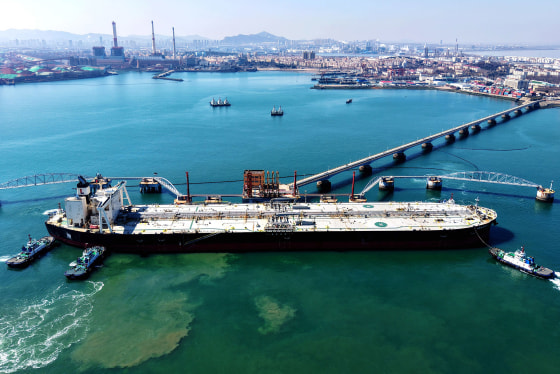
The U.S. strategy to economically isolate Iran faces significant challenges, primarily due to China’s resistance. A representative from China’s foreign ministry emphasized that using ‘economic warfare and maximum pressure’ will not resolve the situation. This statement underscores the complexities involved in addressing the U.S.-Iran tensions through economic means.
China stands as Iran’s most crucial trading partner, further complicating U.S. efforts. The presence of a crude oil tanker at Qingdao port in China’s Shandong province signifies the ongoing trade relations between Iran and China. Such partnerships challenge the U.S. approach and highlight the interconnected nature of global economies.
The Trump administration has relied heavily on economic threats as a tool to manage its foreign policy, particularly concerning Iran. However, China’s stance indicates that unilateral pressure may lead to disagreements with other global powers, impacting the efficacy of the strategy.
Considering the economic and diplomatic significance of China’s relationship with Iran, the U.S. must navigate these hurdles carefully to achieve its desired outcomes without further straining international ties.
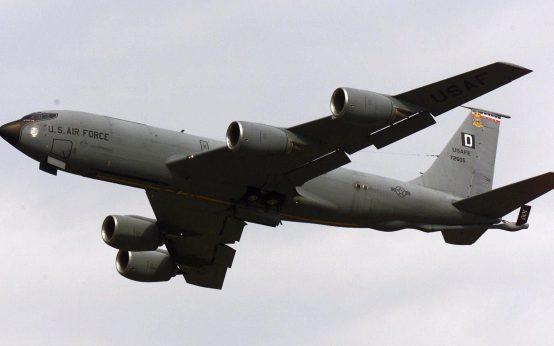 U.S. Air Force Relocates Aircraft from RAF Mildenhall Due to Threat
 Prince Harry and Meghan Attend Event Amid Family Controversy
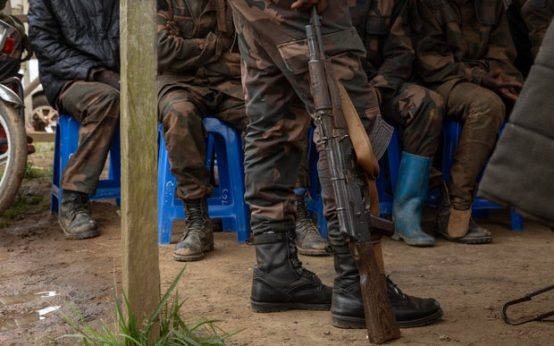 Military Court in Congo Sentences 66 Soldiers to Death
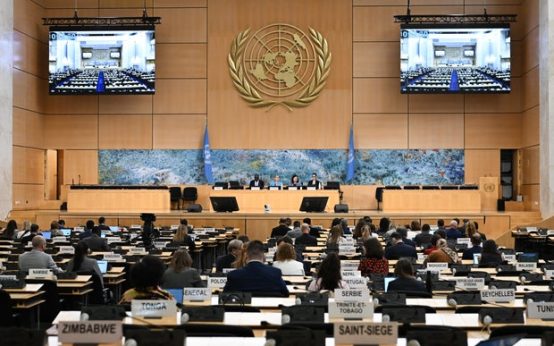 U.S. Walkout from U.N. Human Rights Review Sparks Concerns
 Philadelphia DSA Criticizes Backlash Against Boycott Ride
 Negotiating Peace Amid Ongoing Tensions in Ukraine