In a significant development, U.S. Vice President JD Vance highlighted the opportunity to advance diplomatic relations with Iran during discussions aimed at strengthening the interim agreement reached to end the conflict in Iran. However, President Donald Trump’s strong warnings against Iran’s activities posed potential challenges to the negotiations.
Trump issued stern warnings to Iran concerning its involvement with Hezbollah in Lebanon and the potential closure of the strategic Strait of Hormuz. “Iran must immediately halt its highly paid proxies in Lebanon from causing trouble,” Trump stated on social media, signaling possible military action if ignored.
Vance and key U.S. negotiators convened with Iranian parliamentary head Mohammad Bagher Qalibaf and Foreign Minister Abbas Araghchi at a resort near Lake Lucerne. Mediators from Pakistan and Qatar facilitated the direct communications, lasting around 80 minutes. Private discussions with these mediators also occurred.
The U.S. remains focused on keeping Iran engaged in nuclear program talks amid concerns about its military applications, which Iran denies. Additionally, Vance urged Iran to maintain open access to the crucial Strait of Hormuz, through which around 20% of the world’s oil is traded.
Despite Trump’s comments, which seemed to threaten the progress of these negotiations, Qalibaf warned via social media, “They can keep talking, we are the ones acting.” Iranian state media reported that talks faced a difficult phase after a particularly provocative message from Trump, leading to a brief recess. Still, a U.S. official confirmed Iran’s continued commitment to the talks without any intention to withdraw.
The dynamic in Lebanon remains a significant hurdle, with Israel and Hezbollah engaged in conflict. Both entities support their sides in Lebanon, yet this issue threatens the delicate negotiations over Iran’s nuclear ambitions and the Strait of Hormuz.
Trump and Iranian President Masoud Pezeshkian’s signed agreement permits Iran’s immediate oil sales and potential access to frozen assets. However, sticking points remain, such as Iran’s uranium enrichment rights. Pezeshkian’s firm stance on this issue still poses challenges.
Iran’s cautious participation reflects its history with U.S. nuclear negotiations, often disrupted by external forces. U.S. negotiators, including environment Steve Witkoff and Jared Kushner, are on-site focusing on agreement details.
The Trump administration faces internal criticism over the agreement, with voices within the Republican Party drawing unfavorable comparisons to previous agreements under Obama, which failed to address Iran’s nuclear capabilities directly.
This agreement permits commercial vessels fee-free access through the Strait of Hormuz for 60 days, though future tariffs remain a possibility. Concurrent threats from Trump to impose U.S. tariffs if no deal emerges could influence future negotiations.
With the global oil market closely watching, any disruptions could affect prices, a concern as the U.S. public faces rising gasoline costs. While the recent agreement temporarily eased market pressures, ongoing diplomatic efforts and regional conflicts will continue to play a critical role in determining long-term stability.
 Social Media Influencer Faces Serious Charges
 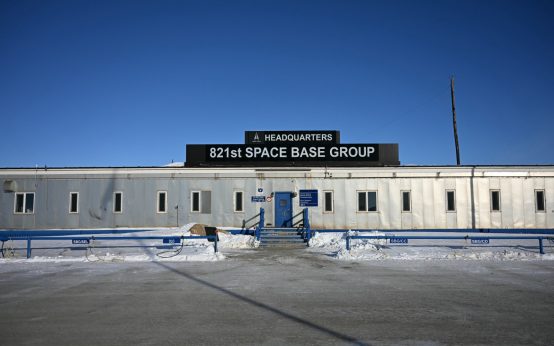 U.S. Military Expansion in Greenland
  The Autocratic Age: A Closer Look
  Venezuelan Migrant Arrest in Texas Sparks Outrage
 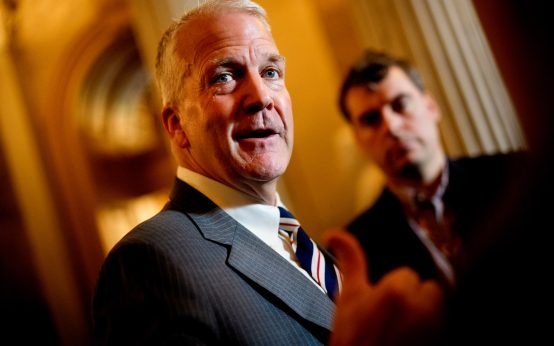 Senator Calls for Halt in Diesel Exports Amid Rising Fuel Costs
  Investigation into Far-Left Groups Organizing Protests