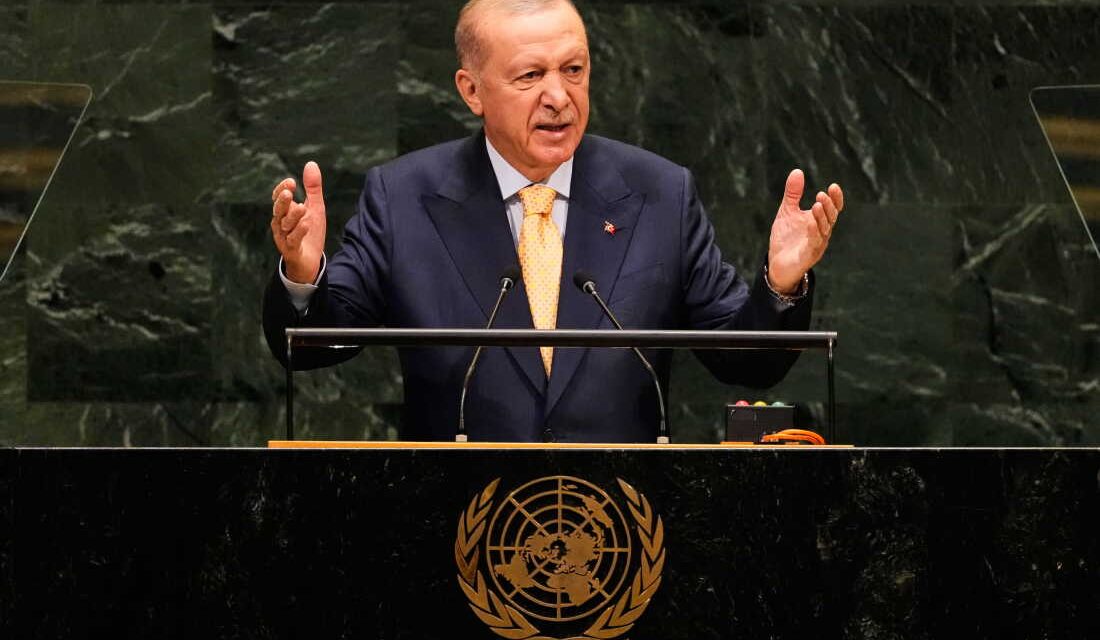
Istanbul: A significant development unfolded when leaders from Saudi Arabia, Turkey, and Pakistan gathered in Mecca’s Grand Mosque vicinity to sign the Mecca Joint Defense Agreement. This accord is seen by some as establishing a ‘Sunni Security Triad,’ uniting Saudi Arabia’s oil resources, Turkey’s burgeoning defense capabilities (which include NATO’s second-largest military), and Pakistan’s nuclear assets.
The agreement includes provisions akin to NATO’s Article 5, treating any attack on one of the countries as an attack on all. It commits the trio to share intelligence and defense technology. Yet, its broader symbolism as part of a new regional security framework is perhaps more significant amid post-U.S. geopolitical shifts. Ankara was a driving force in the negotiations, according to Turkish Foreign Minister Hakan Fidan.
Analysts suggest Turkey aimed to position itself as a key player in the Middle East, a region ravaged by conflicts that have destabilized traditional power structures. Turkey has expanded its defense-industrial capabilities, reducing dependency on Western military resources, though it still seeks F-35 jets from Washington. Turkey’s strategic reach now extends across various countries, including Somalia, Qatar, and Libya, as well as playing a vital role in shaping post-civil war Syria.
Through cultural and humanitarian initiatives, Turkey enhances its influence. Its TV shows enjoy regional popularity, and it invests in building educational institutions. Turkey also emerges as a mediator in global disputes, including those involving Ukraine and Iran.
“Turkey’s growing regional influence faces economic challenges. Persistent inflation, a struggling currency, and high energy import costs strain its resources. Furthermore, its relationship with Israel proves challenging due to regional tensions,” says Asli Aydintasbas, director of The Turkey Project at the Brookings Institution.
Turkey’s vision faces hurdles, including Israel’s assertiveness. Despite economic limitations, Turkey remains militarily and strategically strong. Aydintasbas asserts Turkey aims to manage regional instability to safeguard its interests, not dominate it.
Syria serves as a focal point for Turkey’s influence. After the 2024 collapse of Bashar al-Assad’s regime, Turkey secured major reconstruction contracts and partnered in building Syria’s army, opposing Israel’s regional strategy. Aydintasbas describes Israel’s approach post-Hamas attack as suppressive, aiming to maintain fragmented neighboring states to bolster Israel’s autonomy.
Israel and Turkey’s competitive regional ambitions create tensions, exemplified by Israel’s August airstrike in Syria. Both nations avoid direct confrontation but compete for influence. Ben Aharon, a senior researcher, highlights the potential for future conflicts as each country seeks regional dominance.
Despite longstanding ties between Turkey and Israel, marked by mutual recognition since 1949, recent diplomatic interactions remain tense. Erdogan’s critical remarks at the U.N., characterizing Israel’s actions as genocide, provoked strong Israeli responses.
Ben Aharon posits that personal diplomatic relationships, particularly between Erdogan and former President Trump, could be pivotal. Turkey’s direct access to the White House, diverging from past reliance on Israel, changes diplomatic dynamics.
Aydintasbas contends the U.S., allied with both Turkey and Israel, plays a crucial role in mending bilateral relations. The Trump administration’s challenge is to devise diplomatic strategies fostering Turkish-Israeli cooperation amidst volatile leadership styles.
Ultimately, leadership decisions shape the region’s future beyond Erdogan and Netanyahu’s tenures. Individual leaders, not institutional frameworks, drive outcomes, according to Ben Aharon.
 Possible Shipwreck Exposed After Nor’easter in Nantucket
  Trump’s Second Term Transformation of Washington
  Washington’s AI Concerns and the Promised Technological Future
  Efforts to Restrict Voter Registration Funding Trigger Concerns for Nonprofits
  American Workers’ Confidence and Economic Challenges
  Mary Peltola Challenges Sen. Dan Sullivan Over Rising Costs and Federal Aid