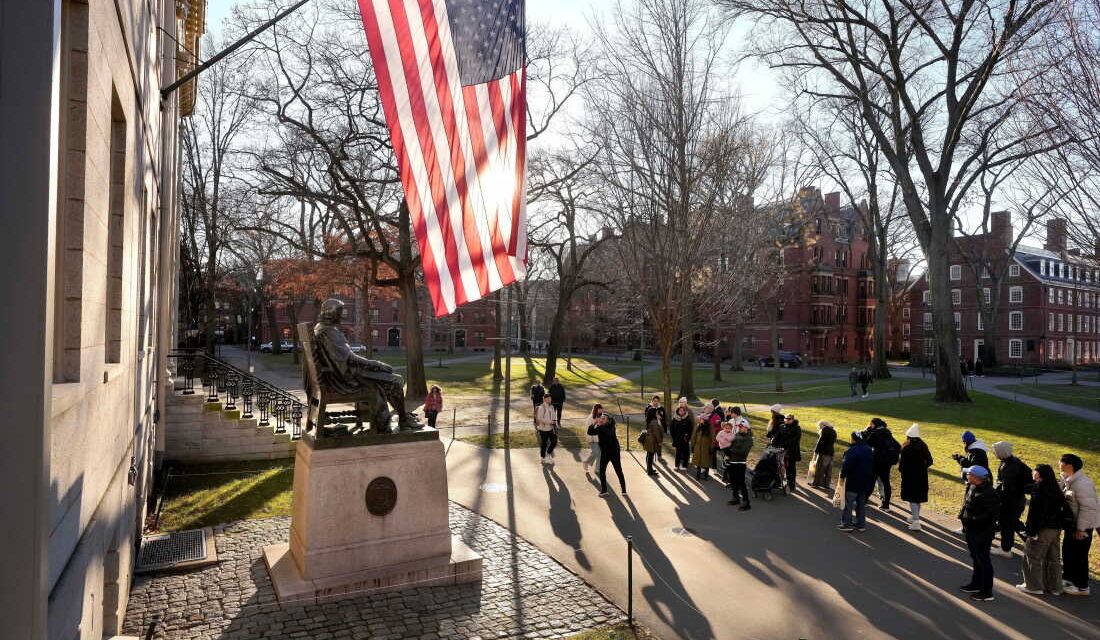
The Trump administration has put forward a new regulation that could strip private schools and colleges of their tax-exempt status if they offer programs targeted at supporting students based on race. This move marks a substantial step in the campaign to eliminate diversity initiatives aimed at Black, Hispanic, and other minority students.
The Treasury Department announced the proposal, stating that policies or programs providing benefits in admissions, scholarships, and facilities based on race would be deemed incompatible with the rule, which could take effect after May 2027. This is in line with the administration’s promise to dismantle diversity, equity, and inclusion (DEI) practices.
Trump officials argue that such policies discriminate against white and Asian American students. The proposal has faced backlash from higher education leaders who believe it threatens access to education for working-class Americans and people of color.
Mike Gavin, CEO of the Alliance for Higher Education, criticized the proposal in a statement, suggesting that it undermines fair opportunities for all students. He accused the administration of misleading the public to view efforts for equitable access as discriminatory.
Under pressure from the current administration, numerous universities have closed or modified their DEI offices and ended programs designed for minority students. Treasury Secretary Scott Bessent stated that even altered policies labeled as equitable or inclusive could fall under this new scrutiny.
The Treasury Department and IRS estimate that this proposal could affect up to 18,000 private educational institutions, many of which save millions annually due to their tax-exempt status. Historically, private universities have enjoyed tax exemption by providing a public good.
Trump views the tax-exempt status as a method to apply pressure on colleges he believes are promoting ‘wokeness.’
This proposal from the Trump administration is reminiscent of a rare historical event where a college lost its tax-exempt status for discrimination. Bob Jones University lost its tax-exemption in the 1970s due to its ban on interracial dating. After ending the ban, it regained the status in 2017.
Laws prohibit the IRS from targeting entities for ideological reasons. Nonprofit organizations must adhere to IRS rules including those concerning lobbying and political activities.
The Trump administration describes the proposal as a restoration of merit-based systems in education. Marjorie Hass, president of the Council of Independent Colleges, noted possible impacts on donations often aimed at scholarships. Meanwhile, Tim Powers from the National Association of Independent Colleges mentioned potential compliance burdens and legal uncertainties for educational institutions.
Parallel to this proposal, the Justice Department has opened investigations into medical schools favoring Black and Hispanic applicants, citing violations of Title IV of the Civil Rights Act of 1964.
IRS CEO Frank J. Bisignano emphasized that schools engaging in racial discrimination could lose tax-exemption status. This aligns with a traditionally high threshold for tampering with nonprofit status, as noted by Preston Cooper, a senior fellow at the conservative American Enterprise Institute.
The future actions of the Trump administration regarding this rule could shape the response from Democrats, possibly escalating political tensions. If the rule merely serves as a warning without further action, discussions might differ.
 ICE Agent Shoots Civilian in Austin: Investigation Underway
 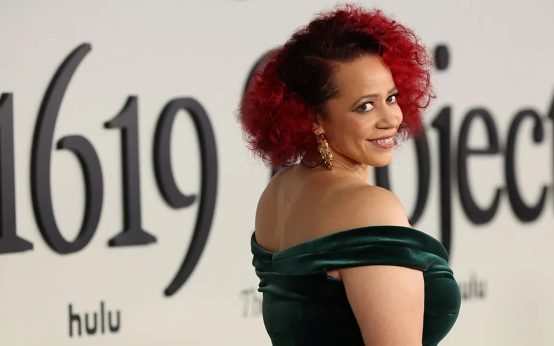 Nikole Hannah-Jones Reflects on Educational Choices for Her Daughter
  Life and Challenges at Chennai’s Kasimedu Fishing Harbour
  Sunday Sports Recap and Weekend Adventures
  Chicago Bears Eye Potential Move to Indiana: A Look at the Developments
  Amazon Offers Discounts to Employees at Whole Foods