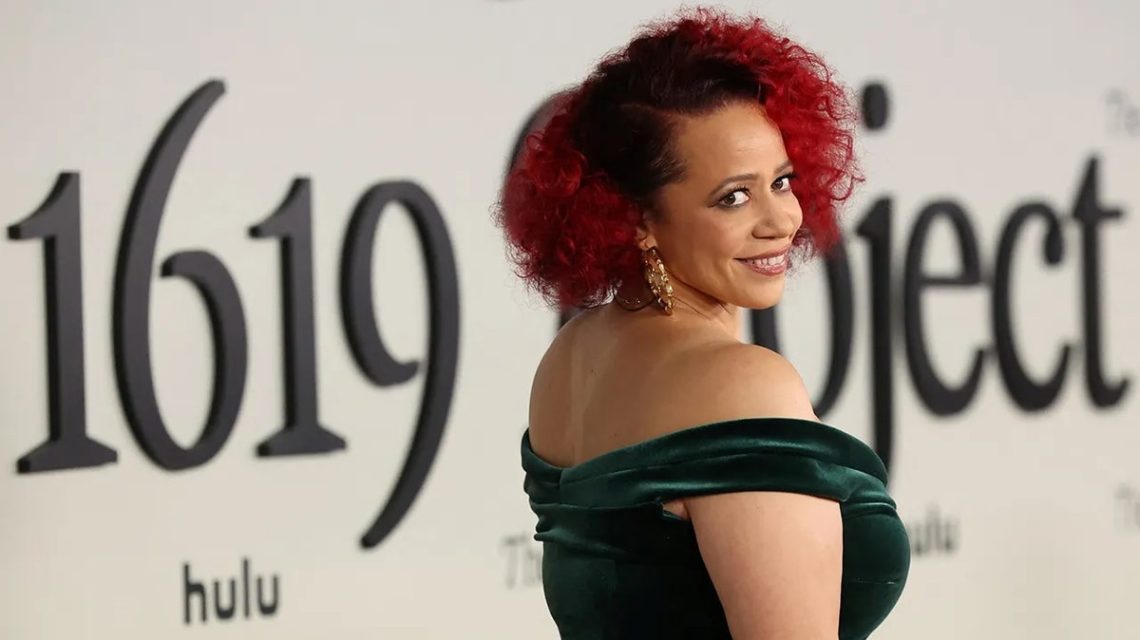
Nikole Hannah-Jones, a reporter for the New York Times Magazine and creator of the 1619 Project, recently expressed regret about her decision to send her daughter to predominantly Black, high-poverty public schools in Brooklyn, New York. Her daughter, now 16, informed her that she didn’t receive the education she had hoped for. This realization comes a decade after Hannah-Jones described the decision as a challenge to school segregation.
In a newly published essay in the New York Times Magazine, Hannah-Jones shared her experience of revisiting years of communication with her daughter Najya’s teachers and principals. She confronted a difficult truth she could no longer avoid. “Now I felt overcome with regret. Najya deserved better,” she admitted, emphasizing that her daughter looked to her for protection and the resources needed to thrive.
Hannah-Jones, speaking with Fox News Digital, emphasized the importance of focusing on families lacking the resources to pursue better educational opportunities for their children. “I hope people concerned about the choice my husband and I made for our daughter will have equal or more outrage for the thousands of Black children whose parents don’t have the resources to send them to better schools,” she said.
Corey DeAngelis of The Heritage Foundation responded to the essay, advocating for parents to prioritize their children’s educational needs. He critiqued the decision to prioritize ideology over educational outcomes. DeAngelis welcomed Hannah-Jones’ shift in perspective, suggesting that prioritizing school choice could improve failing school systems by introducing competition.
During a conversation with Najya while writing the essay, Hannah-Jones apologized to her daughter, acknowledging the challenges she experienced throughout her education. Najya expressed her wish that more attention had been given to her own educational needs rather than broader concerns about inequality. “Sometimes I wish instead of always thinking about other kids, you would have thought about me,” Najya told her mother.
The essay noted further academic challenges that became evident as Najya progressed through school, including limited homework and gaps in math preparation. Unison Principal Emily Paige commented on these issues, warning against lowering expectations in the pursuit of being antiracist, as it might lead to unintentional racism.
DeAngelis suggested Hannah-Jones’ experience should encourage her to support policies enabling education funding to follow students to chosen schools. He highlighted the potential of school choice as an equalizer, especially for families lacking resources to seek better educational opportunities.
This discussion arises amid ongoing debates on school choice in New York. Teachers’ unions recently opposed Governor Kathy Hochul’s participation in a federal scholarship program aimed at funding alternatives to assigned public schools.
The 1619 Project, a collaboration led by the New York Times, seeks to reframe US history by centering slavery and racism in the national narrative. The initiative, while supported by some, has faced scrutiny from historians challenging its accuracy.
Fox News Digital reached out to New York Public Schools for comment but did not receive an immediate response.
 Life and Challenges at Chennai’s Kasimedu Fishing Harbour
  The Rising Trend of GLP-1 Medications Among College Students
  Chicago Bears Eye Potential Move to Indiana: A Look at the Developments
  Seton Hall National Security Graduate Fellowship Provides Hands-On Experience
  Amazon Offers Discounts to Employees at Whole Foods
  Inside the American Airman Rescue Mission in Iran