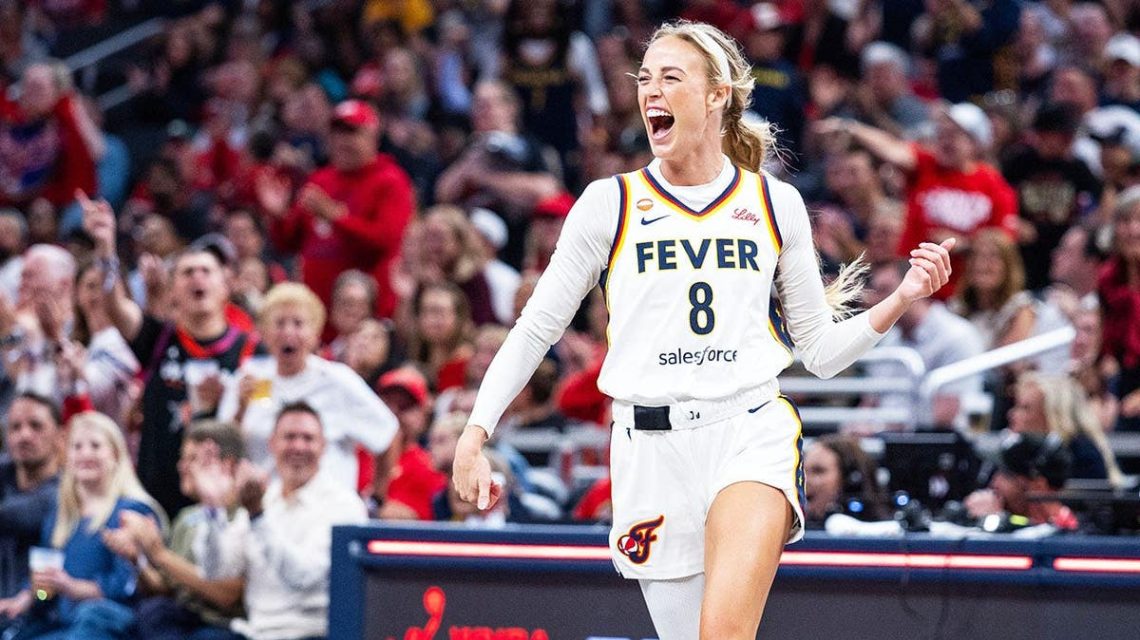
The WNBA recently faced significant controversy following a meeting by its official task force. The central issue was defining ‘woman’ within the league. This meeting followed public comments by Indiana Fever player Sophie Cunningham, who voiced support for restricting male athletes from competing in women’s sports. Former NBA players Enes Kanter Freedom and Royce White have signaled their intentions to join the 2027 WNBA Draft, further intensifying discussions.
Commissioner Cathy Engelbert’s response has been to attribute the ongoing debate to external ‘hate and vitriol.’ Despite this, no conclusion was reached, and more meetings were scheduled, highlighting unresolved tensions in the league.
Public and League Reactions
Cunningham’s stance has sparked backlash within the WNBA. Despite her support aligning with 80%-90% of American public opinion, she remains isolated among players and officials. This has resulted in negative reactions, including booing, protests, and targeted criticism from fellow athletes and coaches. The charged atmosphere was evident when DiJonai Carrington’s aggressive play caused Cunningham injury, and yet her coach defended Carrington. Additionally, Cunningham’s name has been banned in the WNBA subreddit, as moderators aim to filter discussions they view as attracting detractors.
Impact on the League’s Popularity
The league’s internal strife occurs amidst a backdrop of rising popularity, primarily attributed to the influence of player Caitlin Clark. Clark has contributed to increased ratings and attendance, leading to improved player salaries and conditions. However, she faces mixed sentiments from both the league and fans. Cunningham, attracting new audience interest, continues to elevate the league’s profile. Yet, the WNBA seems to undermine these successes by focusing more on activism than sports, according to critics.
This conflict illustrates a broader disconnect, as the WNBA struggles to reconcile differing perspectives within its fanbase and organization. By failing to capitalize on players drawing public interest, the league risks alienating its audience. Embracing and supporting influential personalities and performances could offer a pathway to sustained growth beyond individual players’ careers.
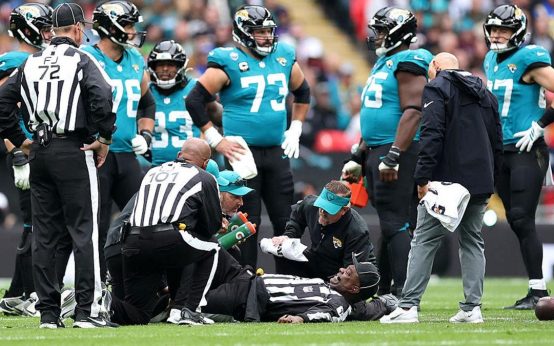 Human Touch on the Gridiron: Empathy Amidst NFL Criticisms
 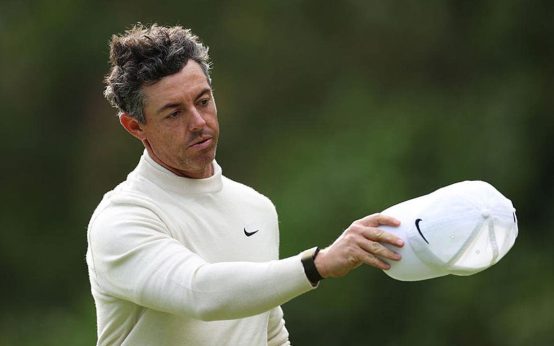 Kevin Kisner Criticizes Rory McIlroy’s Intentions in India Golf Event
  Unrest in France Raises Concerns Over Upcoming NFL Game
 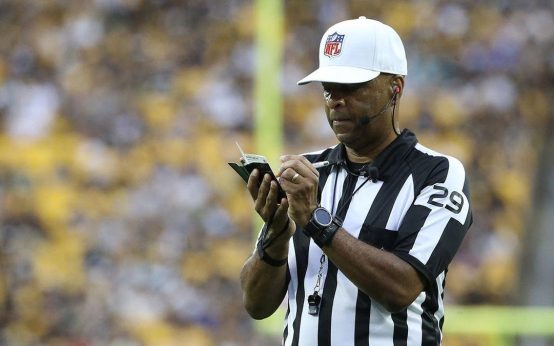 Former NFL QB Sean Salisbury Advocates for Post-Game Accountability for Officials
  Week-by-Week NFL Betting: A Showdown Against AI
  Historic Upsets Shake College Football