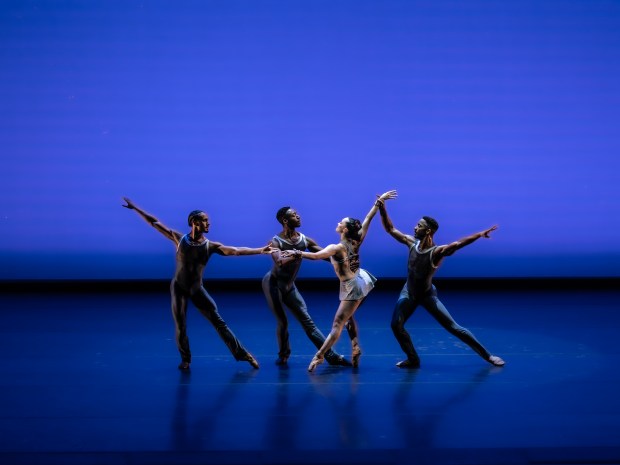
Robert Garland’s “Return” marked both a literal and metaphorical homecoming for Dance Theatre of Harlem as it made its way back to Chicago after a decade away. This plotless neoclassical funk ballet, created in 1999 with music by legends James Brown and Aretha Franklin, serves as a personal reflection of Garland. As artistic director, Garland described this piece as embodying his entire self, highlighting the essence of the company.
Founded in 1969 by New York City Ballet principal dancer Arthur Mitchell, Dance Theatre of Harlem emerged during the civil rights movement. At that time, the concept of Blackness in ballet was seldom embraced. Mitchell initiated ballet classes in a Harlem garage, challenging the notion that ballet was inaccessible to people of color. Despite some advancements, ballet remains slow to fully integrate into an art form that embraces diversity, as envisioned by Russian expatriate George Balanchine.
Dance Theatre of Harlem’s return is significant as it comes close to its 60th anniversary, following an eight-year hiatus driven by financial struggles. This comeback signals the company’s resilience and enduring commitment to diverse artistry, showcased during its one-night performance at the Auditorium in Chicago. The performance acted as the season’s kickoff to spotlight North American dance.
The program included Garland’s “Return” alongside the revival of Balanchine’s 1960 “Donizetti Variations.” In “Return,” soloists Carly Greene and Micah Bullard dazzled with a blend of hip hop and classical ballet moves. The lighting by Roma Flowers complemented the dynamic choreography, shifting between minimalist silhouettes and vivid, disco-inspired colors. The juxtaposition of Balanchine’s “Donizetti Variations” allowed Dance Theatre of Harlem to demonstrate their command over both traditional and contemporary ballet forms.
“Firebird,” another highlight, was originally choreographed by John Taras in 1982. It reimagines a classic Russian fairy tale through a Caribbean lens. Geoffrey Holder’s scenic and costume design imbued the stage with elements of tropical paradise. The narrative follows a man, portrayed by Derek Brockington, aided by a mystical Firebird played by Alexandra Hutchinson. When a sinister Prince, characterized by Jhaelin McQuay, threatens the hero’s romance with a Princess, the Firebird intervenes, ensuring a happy resolution.
This version of “Firebird” combines vintage 80s elements with a timeless appeal. It captures the refined elegance and emotive storytelling synonymous with Dance Theatre of Harlem. The performance highlighted the profound artistry of the ensemble, offering a glimpse into ballet’s rich narrative possibilities.
The Chicago audience, drawn by both the historical significance and the innovative program, experienced a dance performance that matched the grandeur of the Auditorium’s past. The works on display, embraced by Dance Theatre of Harlem, not only pay homage to the legacy of Balanchine and Taras but also assert the company’s unique voice within the ballet ecosystem.
 Spanish Pop Artist Rosalía Breaks Norms with ‘Lux’
  Artistic Legacy of Jackson Pollock and Lee Krasner
 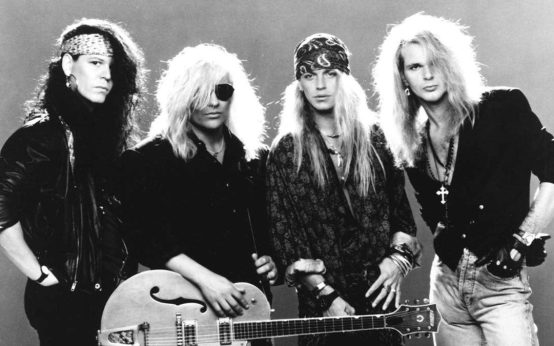 Rikki Rockett’s Courageous Battle Against Cancer
  John Turturro’s Captivating Career and Unique Roles
 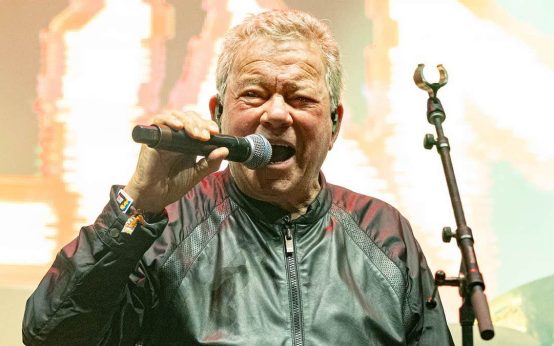 William Shatner Ventures into Heavy Metal at 95
  The Impact of AI on Writers and Publishing