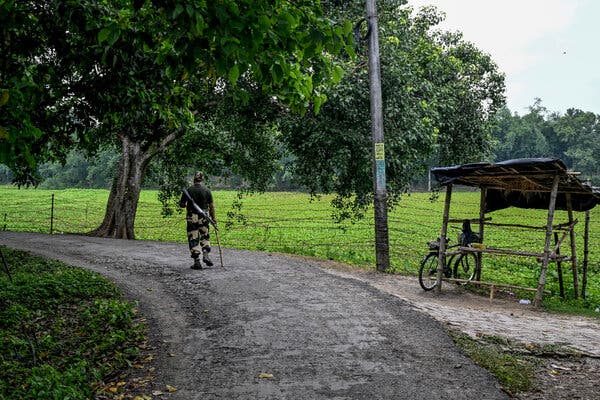
India is actively repatriating individuals it identifies as Bangladeshi migrants residing illegally within its borders. This effort has resulted in rising tensions as Bangladesh responds with resistance, leaving many individuals stranded along the border shared by the two nations.
The border, extending approximately 2,500 miles, acts as a passage for both people and goods despite its porous nature. Indian authorities are conducting operations to identify and deport those with Bangladeshi documents or those suspected of being undocumented migrants. These deportations often occur stealthily at night, which has prompted Bangladesh to enhance its patrols to block the movement of migrants back into their territory.
A recent incident in the Bangladeshi village of Durgapur sheds light on the conflict. Armed guards detained a small group comprising a man, three women, and a child. The group had traveled clandestinely on foot from India’s West Bengal. Local fishermen discovered them at dawn, according to villagers.
For over 24 hours, the detainees remained in a buffer zone between the two countries, while Indian and Bangladeshi border guards negotiated their fate. The standoff drew a crowd of onlookers, including Motiar Rahman, a local villager. He described how he crossed a narrow river by boat to witness the standoff.
Rahman recounted that the group stood at the riverbank within Bangladesh’s territory. Bangladeshi guards alleged that the Indian forces had deliberately directed the group towards Bangladesh. None of the individuals carried any form of identification.
 The Cost of Challenging Beijing
 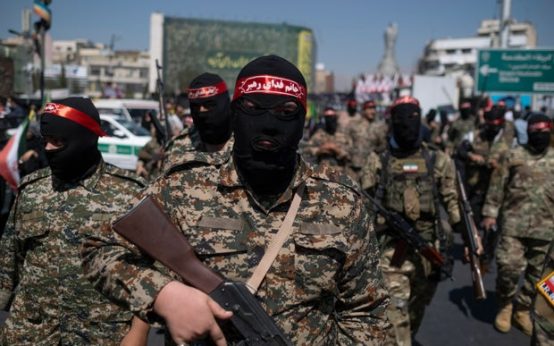 Tensions Escalate in Iran Conflict as Global Leaders Weigh Options
  White House Approves F-35 Sales to Saudi Arabia Amidst Regional Tensions
  Inside the Secret Deals Powering the President’s Push to Deport Migrants to Countries Not Their Own
  Navigating the Challenges of Third-Country Deportations
  Midair Altercation on Bangladesh to London Flight