In early August 2001, Khalid Sheikh Mohammed (KSM), considered the top operational planner of the 9/11 attacks, took pivotal steps as part of the al-Qaeda plot. On August 13, he applied for an Australian visa using a fake Saudi passport under the alias Abdulrahman al Ghamdi. Though granted, he never used this visa.
With the same alias and forged passport, KSM applied for and received a U.S. B-1/B-2 (tourist/business) visa on June 23. KSM, originally from Pakistan and raised in Kuwait, pursued higher education in the United States, graduating from North Carolina Agricultural and Technical State University in 1986. He later joined the jihad against the Soviet Union in Afghanistan, forging connections with Osama bin Laden.
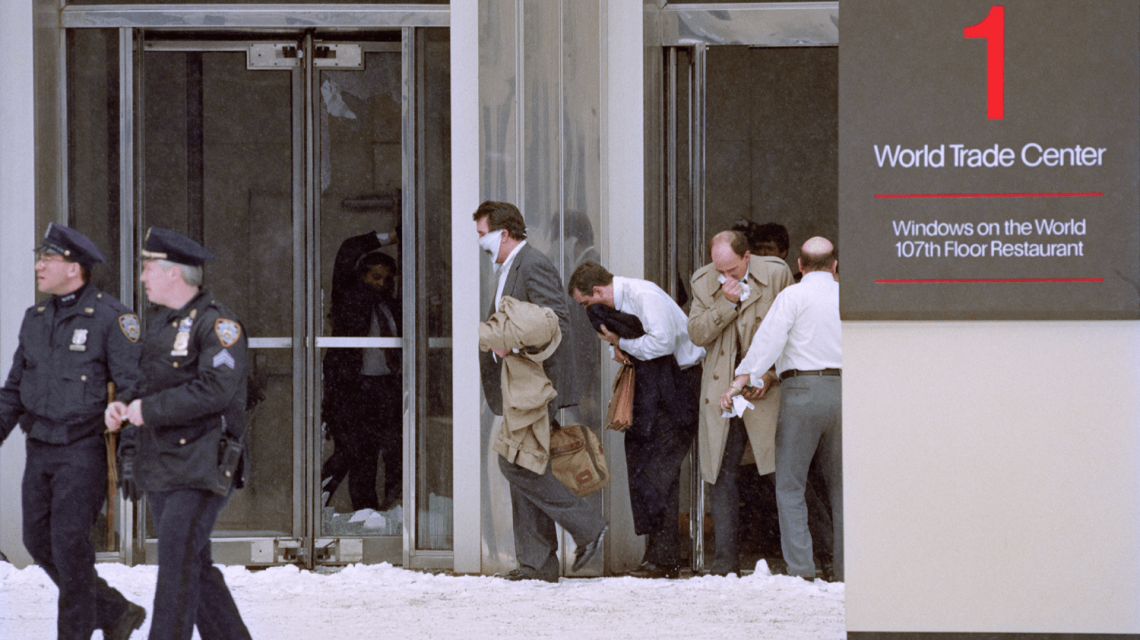
After the Soviet retreat, KSM returned to Pakistan, organizing various plots, including the 1993 World Trade Center attack. He collaborated with Ramzi Yousef on a failed Philippine plan involving bombing airliners. This plot used the Abdulrahman alias, which remained undiscovered after Yousef’s 1995 arrest.
His known identity as Khalid Sheikh Mohammed faced exposure through captured accomplices and financial links to Yousef, leading to a 1996 indictment for terrorist conspiracy in New York. That year, the FBI and CIA attempted his rendition from Qatar. However, tipped off by local officials, KSM eluded capture and was subsequently placed on a U.S. TIPOFF watch list.
Despite these events, KSM wasn’t actively pursued and continued his operations. He instructed Mohammed Atta, Marwan al-Shehhi, and Ziad Jarrah, known as the Hamburg cell, on security and preparations, steering the logistical support for the impending U.S. plane operations from afar.
The use of the same fake passport allowed KSM to obtain another U.S. visa in June 2001, unnoticed amid heightened fears of terrorism in July. According to a partially declassified Joint Inquiry, U.S. intelligence held information linking KSM to bin Laden and potential aircraft-based plots, yet primarily focused on capturing him. They underestimated his importance within al-Qaeda’s structure.
“Prior to September 11, the Intelligence Community had information linking Khalid Shaykh Mohammed (KSM) … to Bin Ladin, to terrorist plans to use aircraft as weapons, and to terrorist activity in the United States,” the Joint Inquiry reported.
The inquiry criticized the lack of targeted intelligence collection on KSM’s activities, missing crucial insights into al-Qaeda’s plans. It wasn’t until after 9/11 that his central role became clear, an unexpected revelation for U.S. intelligence agencies.
 Ukraine Grapples with Missile Threat and International Relations
  Heightened Curfews and Arrests Following French Riots
  Americans Who Fled Trump’s America Share Regret in Europe
  Concerns Arise Over NFL Game in France Amid Unrest
  State Department Raises Travel Warning for Kenya
  Growing Tensions Between Polish Citizens and Ukrainian Refugees