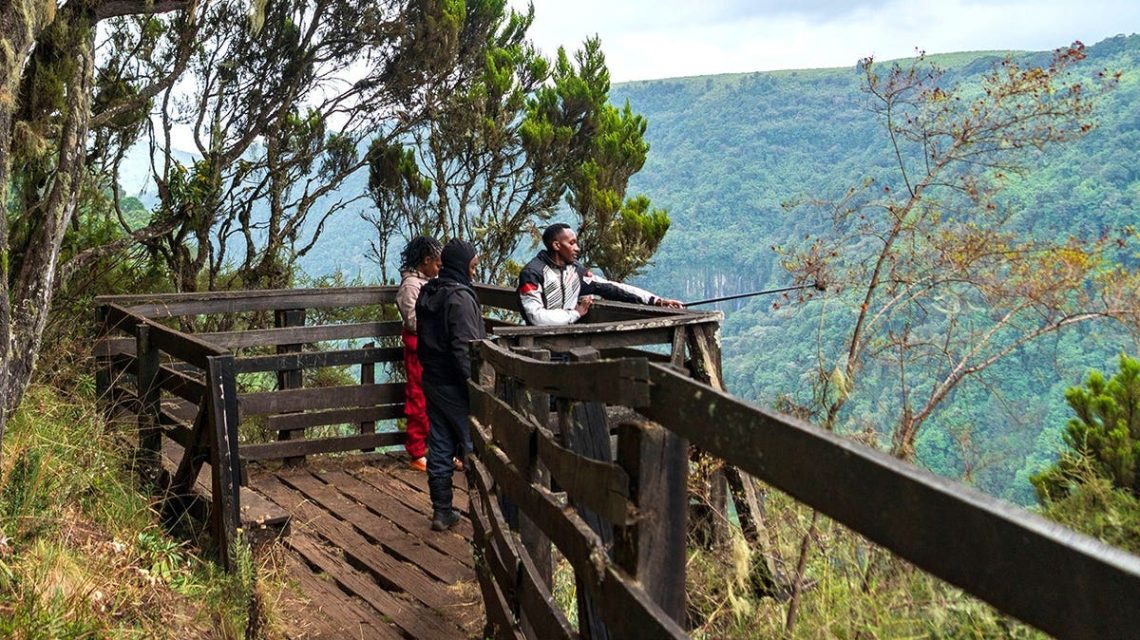
The U.S. State Department has issued a heightened travel warning for a popular East African destination, urging Americans to reconsider visiting due to increased health concerns and ongoing security threats.
Advisory Level Raised
On Monday, the State Department elevated its travel advisory for Kenya from Level 2, “Exercise Increased Caution,” to Level 3, “Reconsider Travel.” Several factors contribute to this advisory, including health risks, crime, civil unrest, kidnapping, terrorism, and traffic safety issues.
Prepare a will. Establish a proof of life protocol with your loved ones.
The advisory suggests avoiding certain neighborhoods in Nairobi and various counties due to risks related to crime, kidnapping, and terrorism. Additionally, areas near the Ethiopian border should be avoided due to unrest.
Crime and Security Challenges
State Department officials have emphasized that violent crime can occur frequently, while petty crime is widespread throughout the country. Travelers are advised to take precautions, especially solo travelers, as some have experienced sexual assaults in bars, resorts, and hotels. The advisory also highlights the inefficiency of local police in responding to crimes.
Americans are frequently scammed with investments in gold and other commodities, with local authorities often unable to assist in recovering losses. Property disputes are common, with Americans losing investments in land, churches, and businesses to locals claiming ownership.
Healthcare and Protests
Medical services in Kenya are limited, especially in rural areas where facilities lack essential medicines and equipment. Only a few private facilities in major cities offer better healthcare. Patients might need to bear the cost of medical evacuations, and payment is usually required upfront for services.
Protests in Kenya can become violent, with past incidents involving demonstrators attacking vehicles carrying Americans, including safari vehicles and motorcycle taxis.
Tourism Data
Kenya, renowned for its wildlife safaris, picturesque savannas, and national parks, attracted about 2.7 million international visitors in 2025. Travelers from the Americas represented 14% of these arrivals, according to official tourism figures.
Similar advisories have been issued for other international travel destinations, including recent updates for Peru and Brazil regarding crime, civil unrest, and terrorism targeting tourists.
 Growing Tensions Between Polish Citizens and Ukrainian Refugees
 France Extends Curfews Amid Ongoing Protests
 Ebola Case in Nigeria Highlights Challenges in Regional Response
 Efforts to Free American Teacher Held in Russia
 Escalating Conflict Prompts U.S. Warnings in Middle East
 British Police Arrest Suspects in Alleged Iranian Plot