
Generative artificial intelligence is gaining traction among knowledge workers, including scientists, teachers, lawyers, and business leaders. These professionals use AI applications to tackle tasks requiring imagination, creativity, and problem-solving.
Recent research highlights a potential downside to this trend. While AI provides rapid and confident responses, it may inadvertently inhibit critical thinking. Users might rely too heavily on the AI’s swift answers, which can result in quick but subpar solutions.
Understanding this dynamic is crucial for those who aim to foster a robust and reflective problem-solving environment. By being aware of the influence of AI on their thought processes, professionals can strive to balance the benefits of AI with the need for thorough critical analysis.
 New Insights from Research on Ancient Ethiopian Palace
  Innovative Use of AI and Digital Technology in Restoring the Basilica of Saint Francis of Assisi
  The Future of Jobs in the Age of AI: Perspectives and Concerns
  Trump Announces ‘Super Intelligence Force’ for AI Coordination
 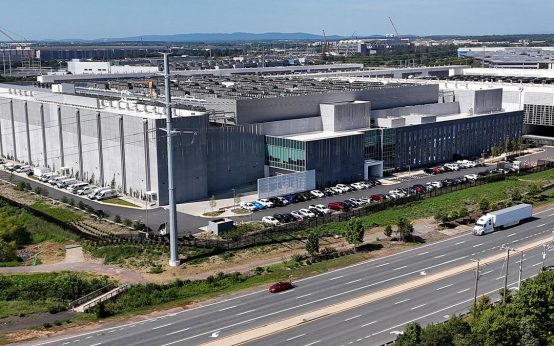 Community Opposition to Data Center Expansion Raises Concerns
  Jay Clayton Appointed as White House AI Czar