
The latest developments in the Strait of Hormuz present a complex scenario that involves both economic and political ramifications. The area has been subjected to increased military operations by the United States, partnering with Saudi Arabia and the United Arab Emirates. These efforts aim to restore oil flow levels that had been disrupted by confllicts.
The Trump administration has recently announced that oil flow levels from the strait are approaching those seen before the conflict began. This announcement followed a series of coordinated statements from White House officials claiming credit for the reversal of a longstanding impasse.
Despite these optimistic reports, experts question the sustainability of these operations and their effectiveness in fully resolving the broader issues associated with the strait’s closure. The geopolitical dynamics of the region, coupled with ongoing tensions, suggest that a permanent solution may remain elusive.
The Strait of Hormuz continues to be a focal point for international energy trade. Approximately 20% of global petroleum consumption passes through this strategic maritime choke point, highlighting its significant influence on global markets.
Past military interventions in the region have shown that heavy reliance on forceful measures does not guarantee lasting economic stability. However, the recent endeavors by the US and its allies are an attempt to normalize commercial activity, despite the challenges posed by regional politics.
The economic fallout from the strait’s closure could have prolonged effects, influencing oil prices and trading patterns worldwide. Political consequences are equally critical, as strained relations may further complicate regional cooperation and international diplomacy.
 The Erosion of Congressional Oversight
 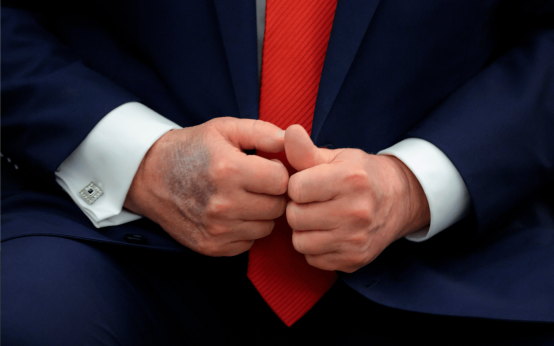 Trump’s Aspirin Habit: Insights and Expert Opinions
 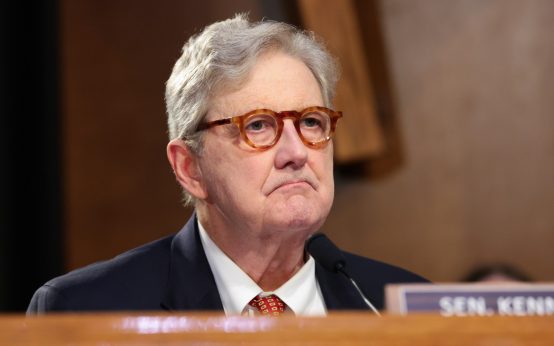 Senator John Kennedy Warns GOP on Voter Economic Concerns
 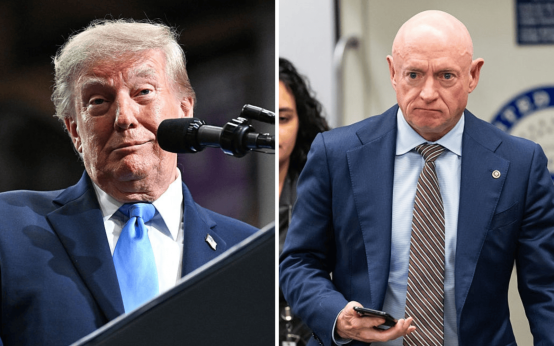 Democratic Concerns Over Trump’s $5,000 Check Proposal
 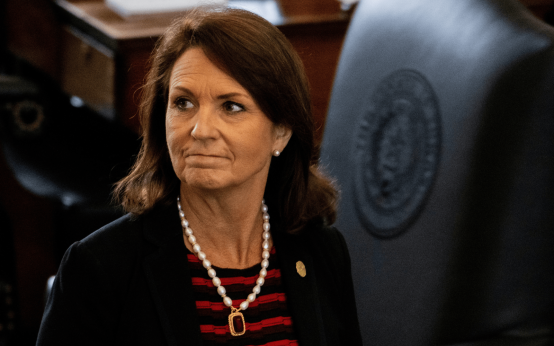 Angela Paxton’s Campaign Efforts Amid Texas Senate Race
 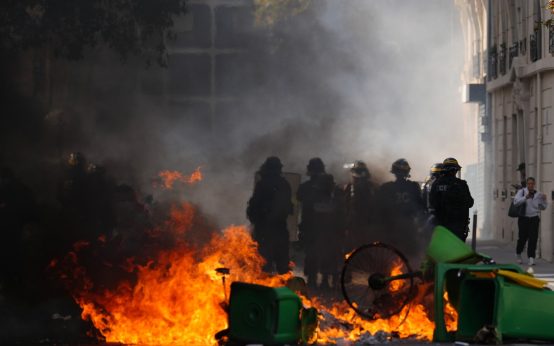 Violence Overshadows Student Protests in France