
Music producer Robbie Hiser believes there will always be a place for creatives despite his role in teaching artificial intelligence (AI) the tricks of his trade. Hiser trains AI for Mercor, a company enhancing AI models like ChatGPT across various fields. Mercor employs over 100,000 freelancers in different sectors to teach AI their expertise. Hiser and other trainers do not see themselves training away their jobs, asserting creative endeavors like songwriting need human input.
“AI doesn’t have life experiences,” Hiser noted, emphasizing the limits of AI in creative tasks.
Despite these assurances, a Pew Research study shows that nearly three-fourths of Americans worry about AI replacing jobs. McKinsey Global Institute reports AI could push 11 million U.S workers into new careers by 2035.
Brendan Foody’s Perspective on AI Evolution
Mercor CEO Brendan Foody views AI-induced changes as a natural evolution, suggesting AI will relieve people of monotonous tasks, allowing focus on more significant work. Across the U.S., firms are adopting AI in various forms. For instance, Columbus law firm, Vorys, Sater, Seymour and Pease, collaborates with Stanford University’s Liftlab to create AI personas based on their senior lawyers’ experience.
“AI will never replace giving an opening statement in court,” partner Kim Herlihy stressed, highlighting AI’s role in optimization, not replacement.
AI training is LinkedIn’s fourth-fastest growing job category, with earnings from gig work training AI at Mercor ranging from $20 to $200 an hour. Foody sees this as a career of the future.
Daron Acemoglu’s Concerns
Nobel Prize-winning economist Daron Acemoglu warns of unprecedented automation leading to worker displacement. He notes previous technological revolutions took decades, whereas this one is rapid and sector-wide. Acemoglu fears unemployment could triple in the next decade without intervention.
Though AI training offers jobs, Acemoglu points out it’s small compared to those displaced by automation. “That’s the point of automation,” he said.
Impact of AI on Employment
While unemployment remains steady, Stanford research indicates a decline in hiring for jobs heavily exposed to AI, such as software development. Clara Shih, formerly of Meta and Salesforce, observed AI reducing teams from dozens to just a few. Alarmed, Shih established a nonprofit to assist young workers with changing job landscapes.
Shih acknowledges AI’s impact extends beyond jobs to people’s self-worth and community stability.
Actions to Mitigate AI’s Impact
Shih compares AI’s effects on white-collar jobs to globalization’s impact on factory work. She advises honesty about AI’s risks. Acemoglu stresses the need for intervention, advocating for AI design that enhances human roles and tax incentives for hiring.
Acemoglu emphasizes proactive discussion and action as crucial since future outcomes hinge on collective choice and agency.
 Trump Announces ‘Super Intelligence Force’ for AI Coordination
 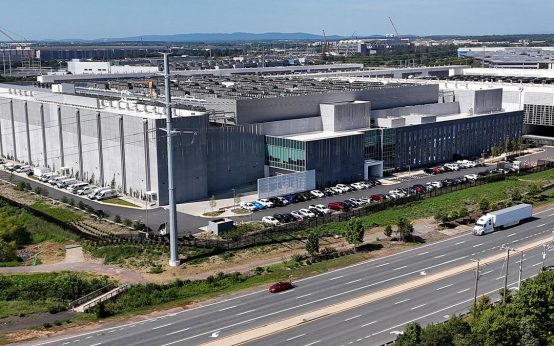 Community Opposition to Data Center Expansion Raises Concerns
 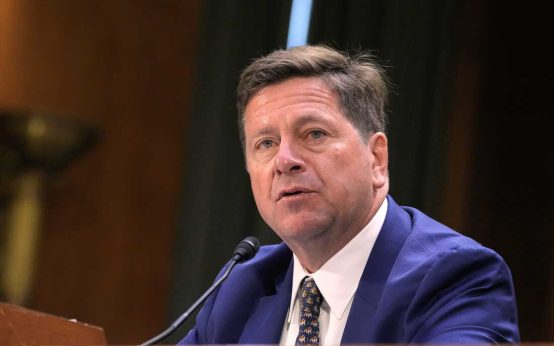 Jay Clayton Appointed as White House AI Czar
  The Growing Role of AI in Immigration Law
  Growing Threat of AI-Driven Scams and Deepfakes
 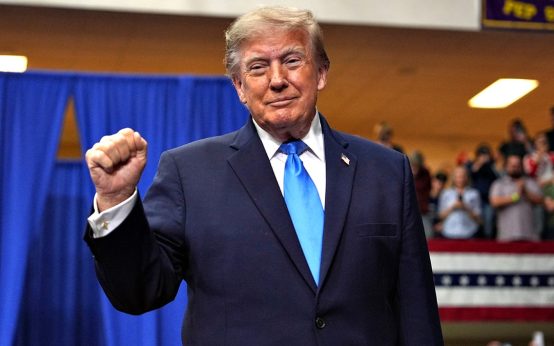 Trump Announces Creation of New AI Coordination Force