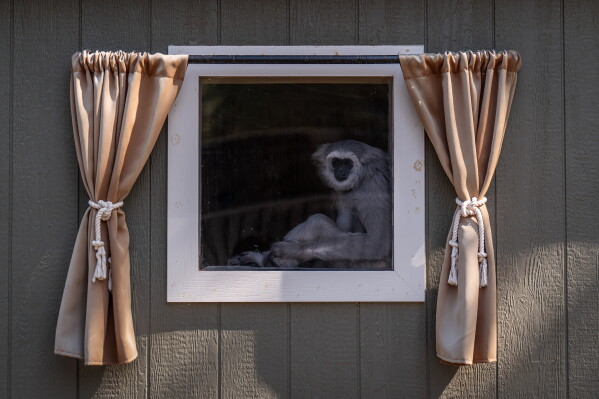
In the Santa Clarita Valley, north of Los Angeles, the Gibbon Conservation Center is a haven for gibbons, a rare and critically endangered group of primates known for their distinctive vocalizations. Founded 50 years ago, the center has evolved into a globally recognized institution dedicated exclusively to the care and study of these unique creatures.
The center hosts around 40 gibbons from five different species. Their calls, ranging from emergency-siren-like sounds to low grunts, can be heard up to a mile away, reaching the few residents in the sparsely populated area. The late Alan Mootnick, a self-taught primatologist, established the center and became a leading expert on gibbons while managing a home painting business. He contributed significantly through published research, hosting international researchers, and offering expert identification of gibbons based on their vocalizations.
After Mootnick’s death in 2011 due to surgery complications, Gabi Skollar relocated from Hungary in 2005 to work at the center and has since carried on his mission. Skollar chose to remain at the center, ensuring the well-being of the gibbons and describing them affectionately as her children. Living on-site with another caretaker, she continues to wake to their vibrant calls each morning.
Skollar’s deep familiarity with the gibbons stems from years of observation and interaction. Each gibbon exhibits unique personality traits; for example, Pepper, a northern white-cheeked gibbon, initiates the group singing, while Violet, a pileated gibbon, concludes the musical sessions with her partner, Truman. Another gibbon, Pierre, displays a notable aversion to men.
The center contributes valuable information to global gibbon research. Gibbons face escalating threats from habitat destruction in Southeast Asian rainforests and from the illegal wildlife trade. Mootnick acquired his first gibbon, Spanky, from a newspaper ad in 1976, demonstrating the ongoing risk of gibbons being captured as pets. The center’s breeding programs have been crucial, with some gibbons born there while others are traded to maintain genetic diversity.
The center’s achievements include successfully breeding Javan gibbons, a rare species exclusive to Java, Indonesia. The center will soon send a pair of northern white-cheeked gibbons to the Pittsburgh Zoo, furthering conservation efforts globally.
On a recent morning, caretaker Jodi Kleier, a decade-long center employee, fed the gibbons, including Rocky, a gibbon she hand-reared. Initially abandoned by his mother, Rocky received Kleier’s care and is even tattooed on her thigh as a testament to her bond with the animal. Kleier and volunteers maintain a rigorous feeding schedule to mimic the gibbons’ natural foraging patterns.
The center opens for guided tours on weekends, attracting schools, tourists, and senior groups. Collaborations with local organizations, like The Teaching Zoo at Moorpark College, allow students to gain hands-on animal care experience. Mara Rodriguez, a long-standing member of the zoo, affirmed the center’s influence by noting her own growth and experience with gibbons.
Skollar aims to expand the center by raising funds for larger enclosures and an educational facility. Her dedication to honoring Mootnick’s legacy drives her commitment to advancing gibbon conservation.
 Revival of Organized Labor in 2026
  EPA Dismantles Greenhouse Gas Rules, Causing Concern
 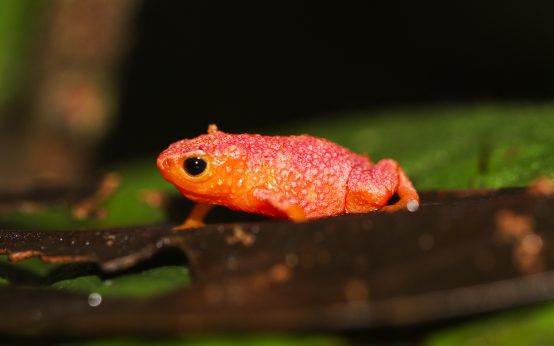 The Unique Challenges of the Pumpkin Toadlet
  How Battery Innovations Transform Renewable Energy
  Data Centers Stir Controversy in Texas Amid Growth Boom
  Community Relief Efforts at New Orleans Free Store