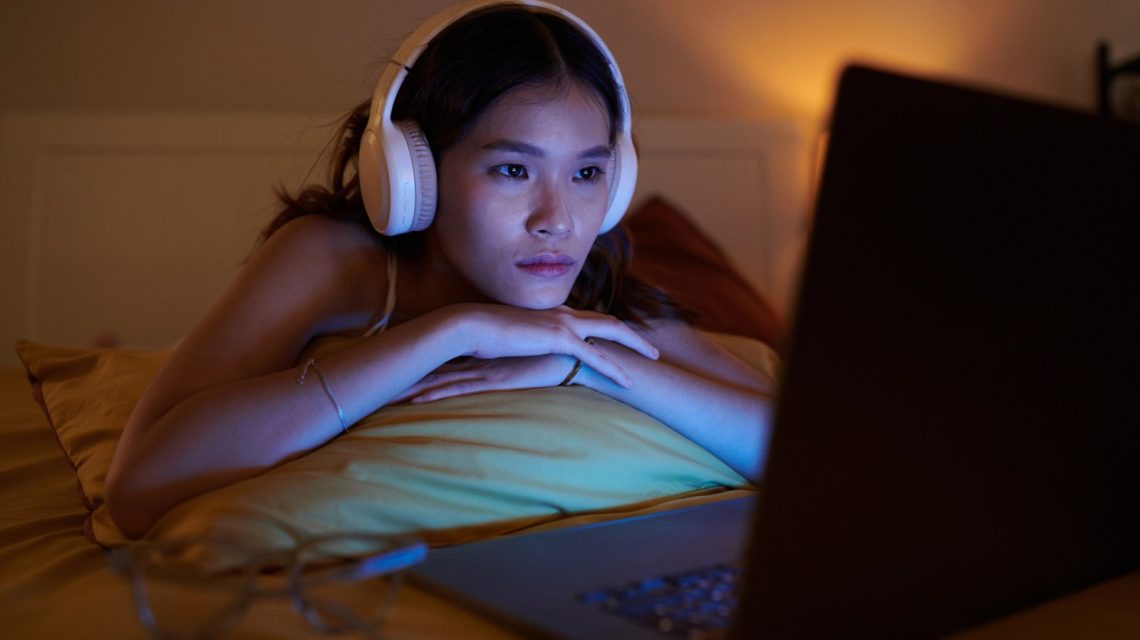
Discussion about Generation Z often focuses on their exposure to negative content, but a new trend highlights the impact of sharing successes online. This generation is caught in a cycle of contrasting social media posts, which can include extreme highs and lows that previous generations have not experienced. Studies show that this constant exposure to social comparison results in poorer mental health outcomes for Gen Z, primarily due to social media platforms.
The Role of Social Media and Brands
Platforms such as TikTok, LinkedIn, YouTube, and Instagram contribute to normalization of social comparison, where Gen Z sees personal and professional achievements of acquaintances and public figures. This exposure increases their connection to celebrities and wealthy individuals. In 2024, a survey revealed 60 percent of Gen Zers spent over four hours daily on social media, with 22 percent spending more than seven hours.
Consumer trends further amplify this issue. Luxury brands like Chanel and Dior now target the middle-class market, with these products visible online, leading to everyday activities becoming status symbols. This occurs as Gen Z reports higher work stress and struggle to disconnect from digital devices. They often perceive others as leading richer lives, raising concerns about ongoing mental health declines.
Dr. Ashwini Nadkarni, assistant professor of psychiatry at Harvard Medical School, noted that Gen Z’s exposure to others’ success influences social comparison, affecting self-appraisal.
Prudence Leung, a psychotherapist, echoed these sentiments, saying the blurred line between ordinary individuals and celebrities on feeds contributes to significant stress. An EduBirdie survey found 38 percent of Gen Z expects to earn over $100,000 by 30, reflecting the influence of social media portrayals of rapid success.
Mental Health Findings
Alarming data supports these observations. A 2025 survey by Blue Shield’s BlueSky initiative and Children Now reported that 94 percent of Gen Z face monthly mental health challenges. Deloitte’s 2025 analysis showed 40 percent feel constant stress or anxiety. Gallup’s research found a 14-point decline in perceived excellent mental health since 2019. A study with the Walton Family Foundation showed only 45 percent of Gen Z feel they’re thriving, marking a generational low.
Harvard’s Global Flourishing Study placed Gen Z’s well-being at the lowest among generations. In 2020, research published in the International Journal of Adolescence and Youth linked social media use to depression and anxiety. A 2023 Cybersmile Foundation report identified that 89 percent of Gen Z compares themselves online, with 93 percent feeling pressured about appearance and lifestyle, and 96 percent reporting emotional effects.
Trauma therapist Jennifer Lancaster explained that comparing personal experiences to others’ curated successes can distort perceptions, leading to feelings of inadequacy.
Chronic comparison triggers a sustained threat response, hindering presence. Effective regulation involves adaptability, allowing for emotional flexibility. Practices like somatic exercises build awareness, while methods such as EMDR target deep-rooted beliefs underlying comparisons, allowing individuals to reassess their self-value metrics.
 Florida Man Claims ‘Lion Diet’ Transformed Health and Life
  Concerns Over Food Safety and Its Impact on Families
  A Mother’s Tragic Journey Under Abortion Ban
  Medical Diagnosis Errors: Understanding the Crisis
  Lymphatic Drainage and Ice Sculpting: Emerging Wellness Trends
  The Rising Trend of GLP-1 Medications Among College Students