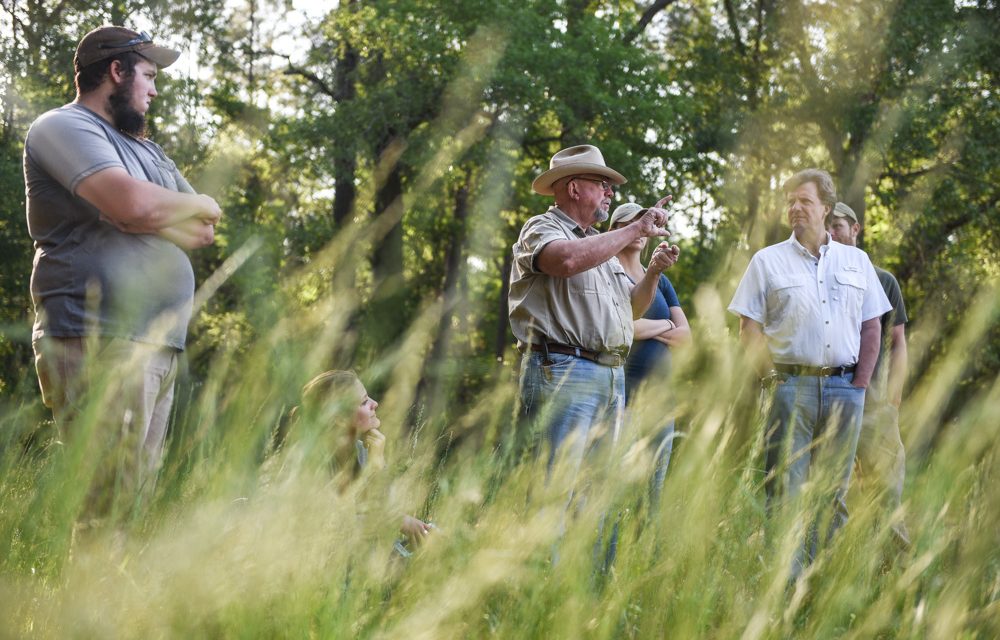
Since 1866, Will Harris’s family has managed a farm in southwestern Georgia. Originally, it was his great-grandparents who started by raising and selling a variety of livestock. Fast forward to today, Harris runs White Oak Pastures, a 5,700-acre farm employing 170 people, making it the largest private employer in the county. This farm not only raises livestock but also processes and sells meat directly to consumers, generating $30 million annually.
Harris speaks of a broken cycle in farming. Cattle prices once encouraged herd rebuilding, but today, land costs outstrip what cattle earnings can cover. Investors and developers, including data center companies, often outbid farmers. Harris has adapted by training new ranchers and considering economic alternatives like data centers.
The U.S. cattle herd numbers are at a 75-year low due to droughts and high operating costs. Consequently, beef prices have soared, impacting consumer affordability. Prime farmland scarce, as investors purchase for non-farming purposes.
White Oak wasn’t always a regenerative farm. After World War II, Harris’s father streamlined operations to focus on cattle, using chemicals to cut costs. Harris continued this for 20 years after studying animal science but shifted in 1995. He adopted methods resembling his great-grandparents’ practices, dropping chemical use and allowing diverse livestock and grasses.
This transition aligned with growing consumer demand for grass-fed beef. White Oak’s adjustments helped place their products in major chains like Whole Foods. In 2015, changes in beef labeling regulations harmed profits, but Harris adapted by selling directly to consumers through an online store.
Now, with stricter USDA labeling rules and new business channels, Harris avoids expansion, focusing instead on better efficiency. Additionally, he supports future farmers through his nonprofit, the Center for Agricultural Resilience, offering internships and courses to teach regenerative farming methods. Harris emphasizes understanding, knowing many farmers stick to traditional methods due to heavy investments in equipment.
Harris notes shifts in economic opportunities in rural Georgia since major companies absorbed more agricultural profits. While uncertain, he sees potential in data centers as economic relief for such areas, highlighting a need for new economic activities beyond traditional farming.
 Debate Rekindled Over Gray Wolves and Livestock Losses
 Protests Erupt Against Data Centers in Spain
 Bayer Settles Massive Roundup Lawsuit Over Cancer Claims
 Lewis Pugh Swims Strait of Hormuz Amid Conflict
 The Importance of the Senate’s Bipartisan Permitting Reform Deal
 California’s Wildfire Preparedness Efforts Amid Growing Climate Challenges