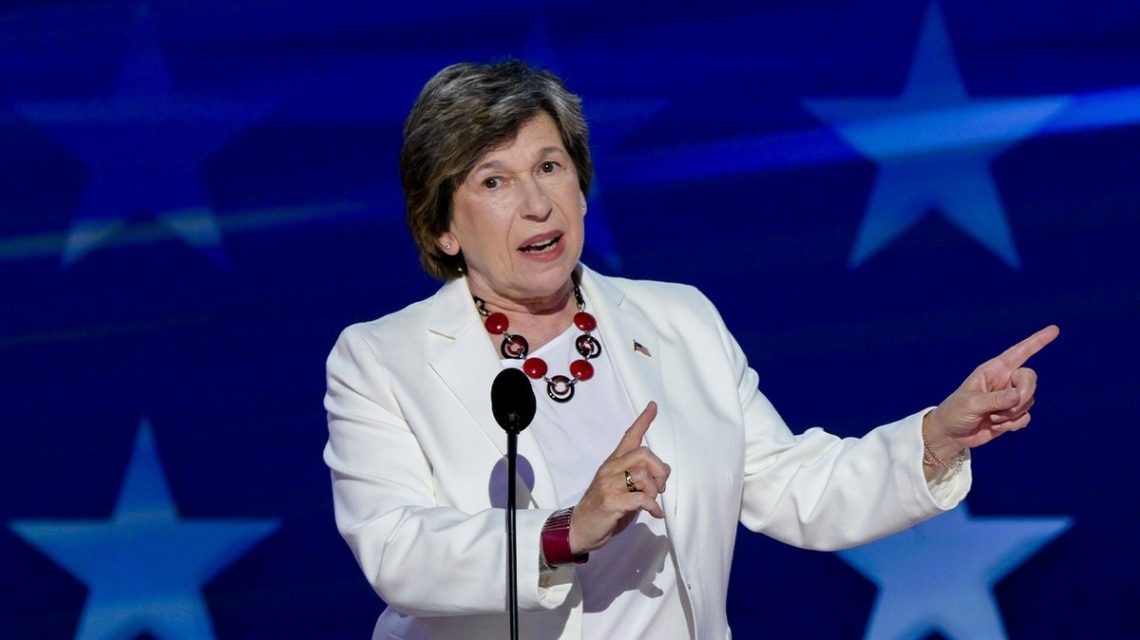
The recent midterm elections have sparked a debate about school choice and its impact on the political landscape in Texas. Randi Weingarten, head of a prominent teachers union, suggested that Republicans faced losses due to their stance on school choice. She claimed voters rejected what she described as privatization efforts and defunding of schools.
Reactions from Texas Democrats
Newly elected Texas Democrat Governor Gina Hinojosa criticized school choice in her victory speech, referring to it as a ‘voucher scam.’ Texas Democrats have taken steps to eliminate scholarships available to over 100,000 low-income students after emphasizing affordability in their campaigns. This stands in contrast as many of those advocating for the removal either attended private schools or sent their children to them.
Public Demand for School Choice
The demand for Texas Education Freedom Accounts shows significant interest, with more than 274,000 applications submitted in the first year. Despite funding constraints, over 100,000 students were supported, and many families remain on a waitlist.
Polling data reveals that school choice has not diminished rural support for Republicans. Governor Greg Abbott maintained strong support among rural voters across several election cycles. While his overall vote share showed a shift, the support from rural areas remained consistent.
Key Voter Concerns
Education was not the top priority for many Texas voters, who instead focused more on issues like the economy and immigration. Despite this, many local ballots saw proposals favoring school district funding largely rejected.
Polling suggests Texas voters are divided on trust in educational leadership between candidates. However, a considerable portion supports school choice, evidenced by the 2024 and 2023 polls showing significant backing for education savings accounts.
Rural Communities and School Choice
The argument that school choice undermines rural communities is challenged by historical precedents. Maine and Vermont introduced voucher programs in the 1800s to offer schooling options where public schools did not exist. This initiative aimed to expand choices, a principle that continues to be relevant.
As more options become available through school choice, rural families benefit by being able to choose their children’s educational paths. Increased competition from choice programs is believed to enhance the quality of public education overall.
Political Implications
The issue of school choice continues to play a significant role in political discourse. Candidates who oppose school choice risk alienating voters. With proven support for these programs, it is a decisive factor among parents who now insist on maintaining educational options.
 Jewish Activist Criticizes Event Cancellation at CUNY School
 Amy Klobuchar Takes On Governorship with Promises for Minnesota’s Growth
 Challenges of Signature Requirements for Political Candidates in Illinois
 Debate Rekindled Over Gray Wolves and Livestock Losses
 White House Faces Backlash Over Controversial Video
 Former Press Secretary Critiques Republican Strategies