Family members often hold onto dog tags as if holding the hands of their departed loved ones. For companions-in-arms, reading them can cause deep emotional reactions. More than a century after a U.S. Army chaplain advocated for standard-issue ‘dog tags,’ they continue to serve as a powerful connection for grieving military families to their lost service members.
‘What they’re searching for is connection,’ said Air Force Chaplain Maj. Benjamin Quintanilla Jr., based at Dover Air Force Base. Dover AFB is where U.S. casualties from conflicts such as Afghanistan and Iran are brought home. ‘These dog tags become a sacred symbol.’
From the World Wars to Vietnam and recent Middle Eastern conflicts, military tags symbolize American sacrifice in global conflicts. The origin of the term ‘dog tags’ remains unclear, states the Pentagon. However, the necessity of identifying those fallen in battle was highlighted during the American Civil War when many soldiers were buried as ‘unknowns.’ The National Park Service notes that 75% of the 17,000 Union troops at Vicksburg National Cemetery were unidentified.
After the Spanish-American War, Chaplain Charles C. Pierce, overseeing a morgue in the Philippines, requested that Army soldiers be issued identification tags. By the U.S. entry into World War I, combat soldiers were required to wear them. They became an official uniform component by World War II.
In a memorial ceremony at Forward Operating Base Bermel in Paktika, Afghanistan, a U.S. soldier held the dog tag of Cpt. Davis Boris on November 23, 2007. Despite advances in forensic science reducing their necessity for identification, the religious details on dog tags remain vital for battlefield chaplains to offer appropriate prayers for dying or deceased troops.
The symbolism and connection associated with dog tags make them invaluable. Families cherish both the tags their loved ones wore and those placed on caskets during dignified transfer ceremonies. Some continue wearing them or have the tags permanently inked onto their skin.
For military members, these tags represent belonging. ‘I can trust somebody who is wearing the same identification as me,’ said Quintanilla, who began his service as a dental technician in the Air Force. ‘It signifies my participation in something greater than myself.’
This article is part of the recurring series ‘American Objects,’ commemorating the 250th anniversary of the United States.
 Gen Z’s Early Workforce Success Compared to Millennials
 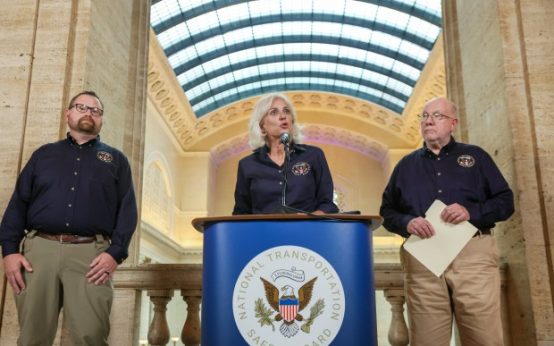 NTSB Launches National Campaign for Railworker Safety in Chicago
 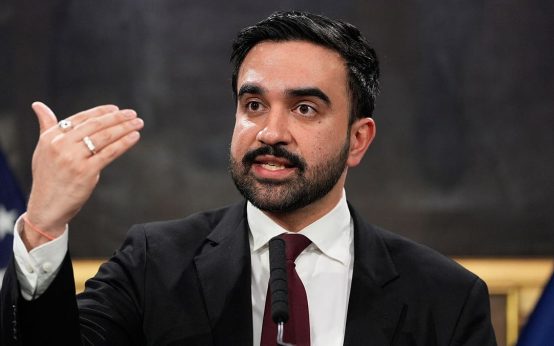 Staten Island Event Sparks Controversy Over Mayor’s Presence
  Maryland Hunter Charged After Fatal Shooting in Delaware
 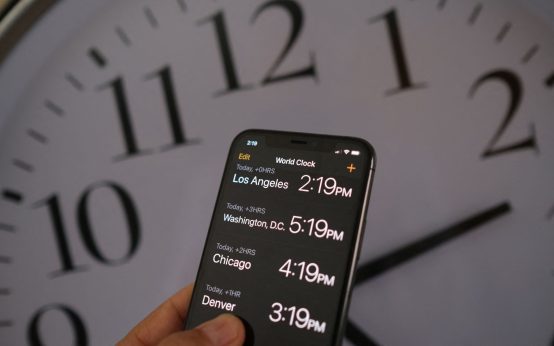 The Push for Permanent Daylight Saving Time
  Mayor Zohran Mamdani Faces Backlash at Pro-Police Event