
The Supreme Court has ruled that a former Louisiana inmate cannot sue prison officials for cutting off his dreadlocks in violation of his Rastafari religious beliefs. Damon Landor’s case was condemned by the justices, yet they stated that the federal law, the Religious Land Use and Institutionalized Persons Act, does not allow for monetary damages against individuals when an inmate’s religious rights are violated.
The decision was made with a 6-3 vote, affirming lower court rulings that the law cannot be used to hold individuals financially responsible when they infringe on inmates’ rights. The ruling does not apply the rationale from a 2020 decision that permitted Muslim men to sue over their inclusion on the FBI’s no-fly list, which had been decided under the Religious Freedom Restoration Act. Justice Neil Gorsuch, writing for the court, emphasized that the law does not authorize lawsuits against individual officers in cases relating to prisoners’ religious rights.
Justice Ketanji Brown Jackson, in her dissent, expressed concern that this ruling might reduce the incentive for state prison officials to comply with federal law. Her opinion, shared by two other liberal justices, highlighted the incident as a clear example of the reasons behind Congress enacting this legislation.
No one defended the actions taken against Landor during his incarceration. While initially, prison officials respected his religious beliefs, at Raymond Laborde Correctional Center, a guard discarded his legal documents and Landor’s dreadlocks were forcibly removed. This occurred despite him carrying evidence of legal precedent supporting his case.
Landor filed a lawsuit after his release, but the courts dismissed it, with the 5th U.S. Circuit Court of Appeals acknowledging the deplorable treatment but confirming legal limitations on holding officials liable for damages. Louisiana has since amended its prison grooming policy to prevent similar occurrences.
The Rastafari faith, originating in 1930s Jamaica, combines Old Testament teachings with a call for a return to Africa. Jamaican artists like Bob Marley and Peter Tosh helped spread its message globally in the 1970s.
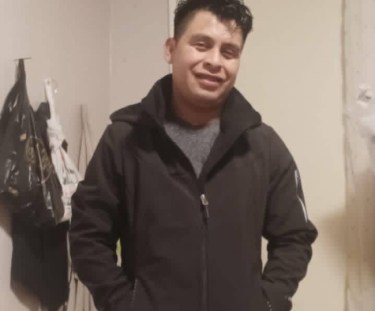 Fatal Car Crash in Grand Rapids Involving ICE Agents
 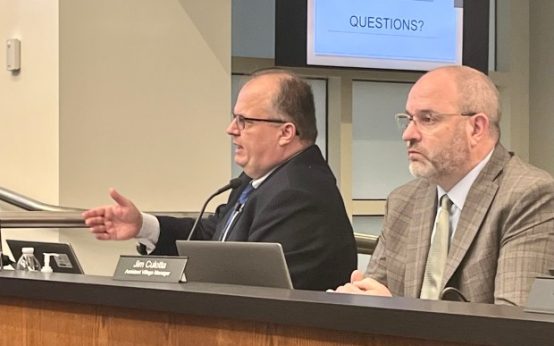 Orland Park Plans Traffic Enforcement Measures
 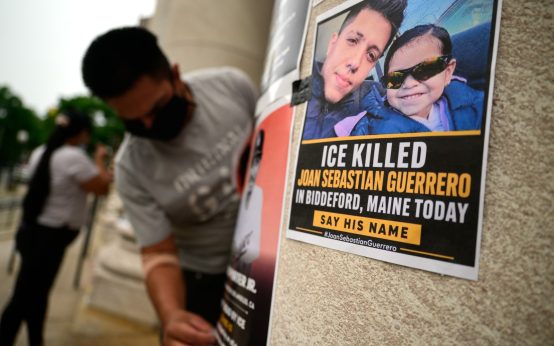 Congressional Hearing Addresses Fatal Shootings Involving Federal Agents
 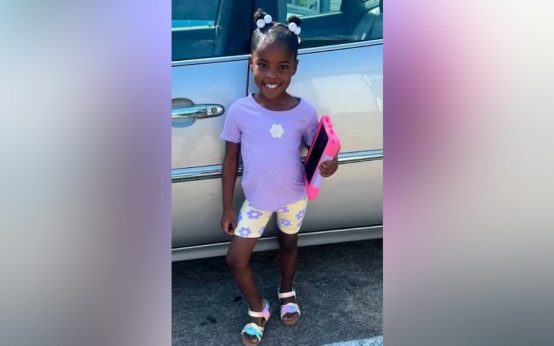 Texas Man Arrested in Shooting of 5-Year-Old Girl
  Star Meat Delivery Inc. Recalls Over 167,000 Pounds of Meat
  Debating Government Involvement in Family Homes