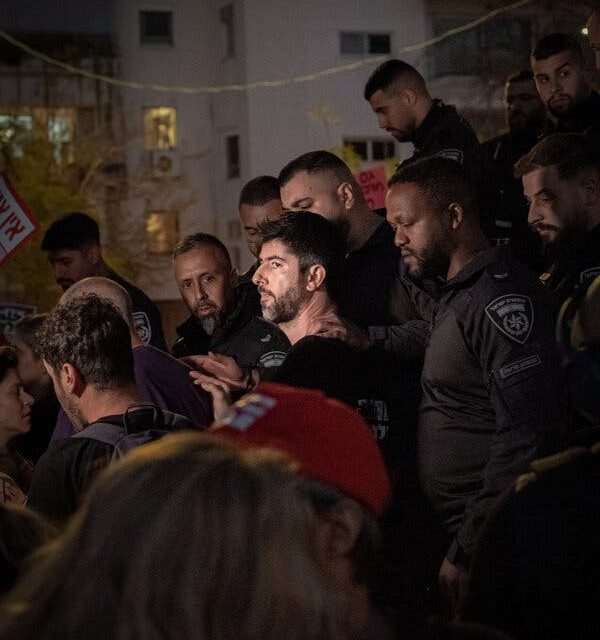
In Tel Aviv, on April 4, a significant protest unfolded against the ongoing war with Iran. Hundreds of Israelis took to the streets, voicing their dissent. One prominent figure that day was Alon-Lee Green, a Jewish Israeli activist. He is known for his passionate opposition to the war, declaring it a ‘futile war’ as he protested.
Mr. Green is a key leader in the group Standing Together, which he manages with Palestinian colleagues Rula Daoud and Sally Abed. This grass-roots movement, initiated in 2015, involves young Jewish and Palestinian Israeli citizens. The group’s focus is on anti-occupation, antiracism, and promoting social justice.
Voices like those of Mr. Green, Ms. Abed, and Ms. Daoud are unique. They emphasize peace, reconciliation, and the recognition of Palestinian humanity, both in Israel and in the occupied territories. In Israeli society, such perspectives are rare, especially among Jewish citizens. Many Israeli Jews support the wars with Iran and Lebanon. Moreover, a significant portion of both Jewish and Palestinian adults in Israel doubt the feasibility of a two-state solution.
Amidst this void, a new joint Israeli-Palestinian political party is making its debut. Named ‘A Place for Us All,’ it expects to participate in the crucial elections in Israel this fall. The party includes leaders from Standing Together but faces challenges in securing enough votes to participate. Despite these odds, its presence in the political landscape is vital and defiant.
Historically, Arab-Jewish parties have faced difficulties in gaining political traction in Israel. Although there have been Arab parties with Jewish members and Jewish parties with Arab members, these remain exceptions. For nearly half a century, the only operational Arab-Jewish party has been Hadash, established in 1977. Hadash seeks to end Israeli occupation and supports a two-state solution, but its support primarily comes from Palestinian citizens of Israel, not Israeli Jews. Another party, Da’am, emerged in 1995 as an Arab-Jewish entity focusing on workers’ rights and social welfare, yet it has never secured a seat in the Knesset.
‘A Place for Us All’ stems from collaborative activism between Jewish and Palestinian individuals. Its foundation lies in the practical realities faced by these groups. They involve friends who have shared each other’s hardships and aspirations. The party challenges traditional voting patterns, encouraging Palestinians not to vote only for Palestinian parties and Jews not to vote exclusively for Jewish parties, highlighting the importance of addressing pressing issues.
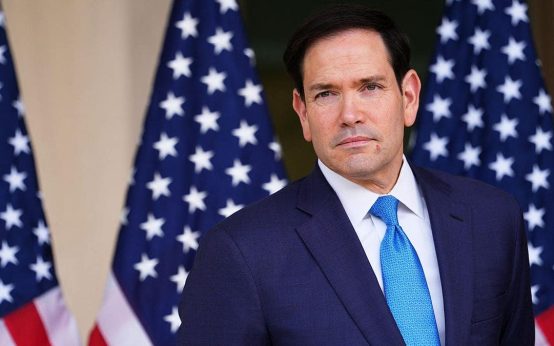 Marco Rubio’s Expanding Role in Trump Administration
 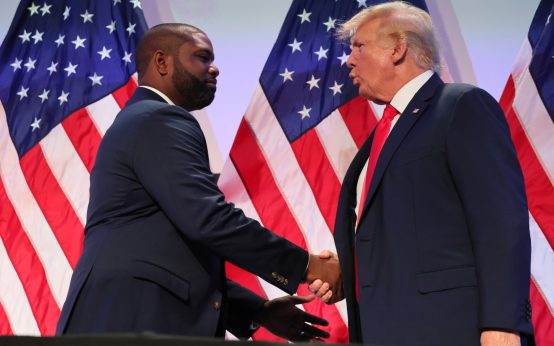 Byron Donalds Adjusts Campaign Strategy as Florida Governor Race Intensifies
 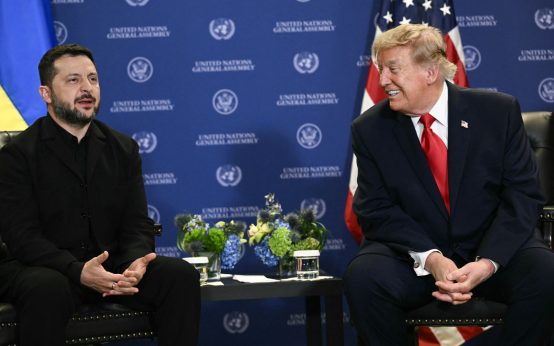 Trump’s Engagements at the UN: Focus on Ukraine and White House Developments
  Collins Faces Scrutiny in Tight Maine Senate Race Amid Donor Allegations
  Trump Administration to Admit 17,500 Afrikaner Refugees from South Africa
  Trump’s Vision for Global Security: Iran, AI, and the Role of the U.S.