El Niño’s Growing Threat
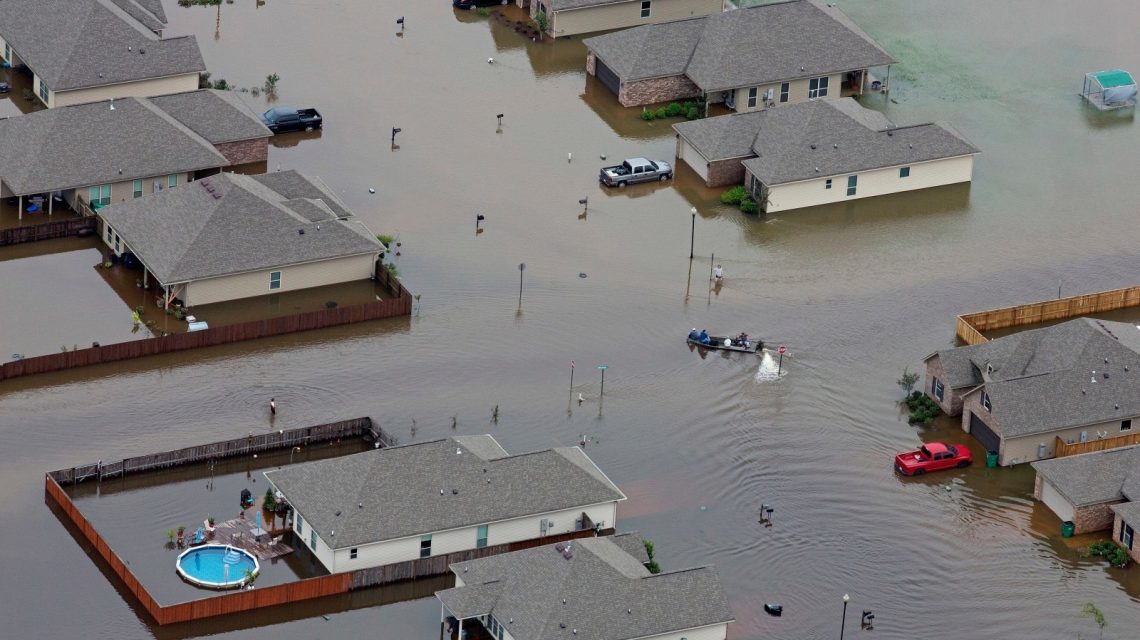
Meteorologists have warned that a significant El Niño event is developing, leading to expectations of heavy rainfall and flooding in the U.S. In particular, coastal communities face increased risks. The World Meteorological Organization (WMO) predicts this El Niño will be exceptionally strong due to unusually warm Pacific Ocean temperatures.
“El Niño is being supersized before our eyes. The science leaves no room for doubt: the planet is in uncharted waters, and those waters are heating up,” United Nations Secretary-General António Guterres stated.
This El Niño could be the largest in a millennium, according to scientists, and it may make 2027 the hottest recorded year. Gavin Schmidt, a climate scientist, corroborates these expectations.
Understanding the Impact
Scott Handel from the National Oceanic and Atmospheric Administration (NOAA) explained that no two El Niños are identical, though patterns can suggest potential outcomes. The West Coast, particularly California, is likely to experience more intense precipitation and flooding.
Previous El Niños have brought significant rainfall, such as record-breaking rain in San Diego in early 2024 and the wettest February for Los Angeles and San Francisco during the 1997-98 El Niño.
Potential Effects on Homeowners
Homeowners should be vigilant regarding the possible impacts of heavy rain and flooding, especially those in vulnerable areas. Mudslides, high winds, and severe weather are potential threats. The East Coast may be more prone to coastal storms.
Mark Friedlander of the Insurance Information Institute highlights common insurance claims during El Niño winters, including wind and roof damage and water damage in atypical areas, such as the South and California. Damage from high winds and freeze losses may also increase, particularly in regions not accustomed to cold snaps.
Preparations and Insurance Considerations
Friedlander stresses the need for homeowners to secure flood insurance as most policies lack coverage. Given that only 4% of homeowners had flood insurance by 2025, there’s a gap in coverage due to rising premiums and misperceptions of risk.
Denali Pinto from UC San Diego warns that structures outside mapped high-risk zones can still suffer flooding and encourages checking flood zones online. He notes that landslide damage might require special insurance policies.
Preparation Strategies
Homeowners should take preventive actions like securing flood insurance, clearing gutters, and preparing emergency supplies to mitigate potential damage. Pinto advises readiness with sandbags in known flood-prone areas and maintaining a food and water supply. Avoid driving in moving water, regardless of depth, and consider purchasing a weather radio.
Ed Kearns suggests cost-effective measures like portable flood barriers and defensible space for homes. More expensive actions, such as elevating home foundations or installing fire suppression systems, may also be worth evaluating based on risk.
Friedlander recommends documenting belongings with photos or videos, maintaining clear evacuation routes, and assembling a ‘go bag’ with essential items and documents.
Regional Weather Patterns
Crystal Egger advises caution against assuming uniform weather patterns during an El Niño. Historical events show varied impacts. The WMO notes wetter conditions in the U.S. south, including California and the Gulf Coast.
Emily J. Becker from the University of Miami expects a wetter winter on the East Coast and drier conditions in the Ohio River valley and Pacific Northwest. Northern areas may experience warmer winters, especially earlier.
The southern U.S., particularly California, the Southwest, and the Gulf Coast, should brace for more active weather patterns. California’s mountains, like the Sierra Nevada, could receive vital snowpack, affecting water resources.
Egger emphasizes the potential for severe storms and heavy rains across the southern Plains and Florida. Close monitoring of weather patterns will be crucial as the season progresses.
 Data Centers Stir Controversy in Texas Amid Growth Boom
 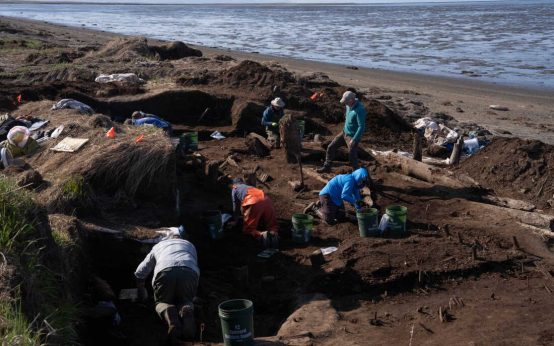 Urgent Archaeological Efforts in Quinhagak Stay Ahead of Erosion
 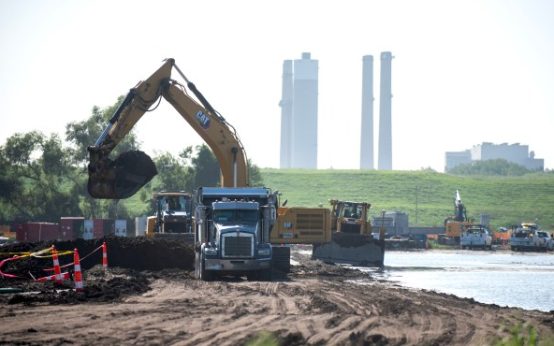 Concerns Rise Over NIPSCO Permit In Jasper County
  Reader Reactions on Grizzlies and Data Centers
 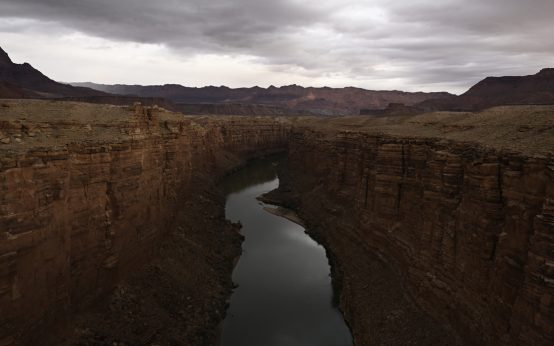 Managing the Crisis of Drying Rivers
 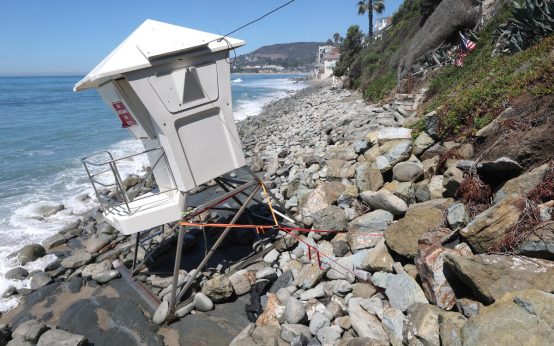 Impact of Kelvin Waves on Southern California