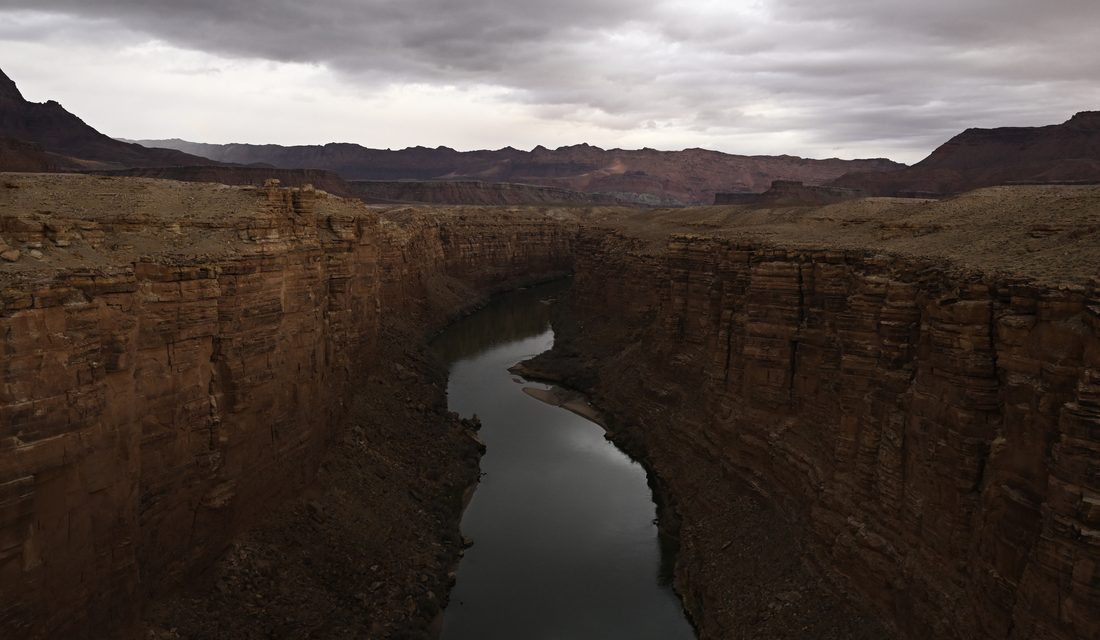
The Colorado River: A River in Peril
The Colorado River faces significant challenges as extended droughts, worsened by climate change, threaten its water levels. A 2017 study highlights potential reductions in water flow by up to 30% by 2050 and 55% by 2100, driven by greenhouse gas emissions.
Similarly, the Mississippi River has experienced low water levels, affecting commerce and transportation. Weak currents have resulted in a backlog of barges, equivalent to 210,000 container trucks of goods such as corn and soybeans.
Human Impact and the Need for Action
Laurence Smith, a Brown University professor, emphasizes human contributions to the drought scenario. He suggests the West must adapt to these conditions by implementing strategies to conserve water. This approach calls for innovative river management to maintain healthier ecosystems and support dependent communities.
The American West is going to have to learn how to do more with less.
Smith advocates for immediate action to foster a sustainable, climate-adapted future.
Join the Conversation
Engagement with environmental topics continues through platforms like Spotify, Apple Podcasts, and Google Podcasts. Input and queries from the audience are encouraged, with the potential for inclusion in future discussions.
This podcast episode was produced by Abe Levine, with edits by Rebecca Ramirez and Gisele Grayson. Fact-checking was conducted by Margaret Cirino and Rebecca. The audio engineering was managed by Robert Rodriguez.
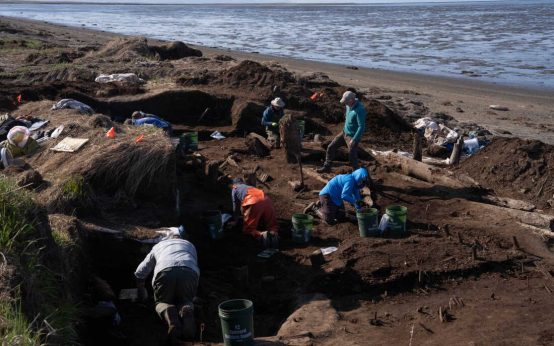 Urgent Archaeological Efforts in Quinhagak Stay Ahead of Erosion
 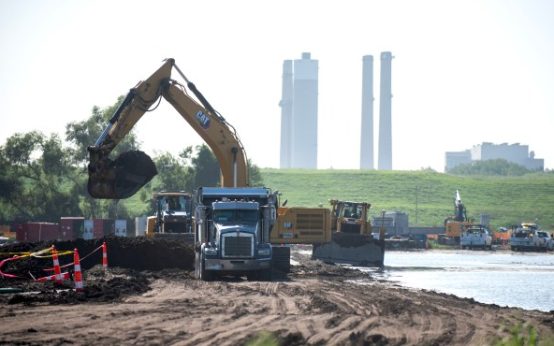 Concerns Rise Over NIPSCO Permit In Jasper County
  Reader Reactions on Grizzlies and Data Centers
 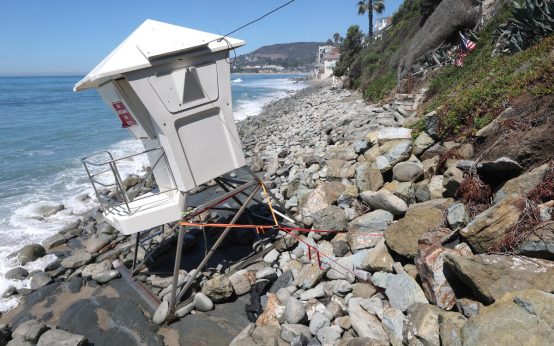 Impact of Kelvin Waves on Southern California
  Efforts to Protect Great Lakes from Invasive Carp Resume
  Study Reveals Air Pollution Surge After U.S. Stops Monitoring