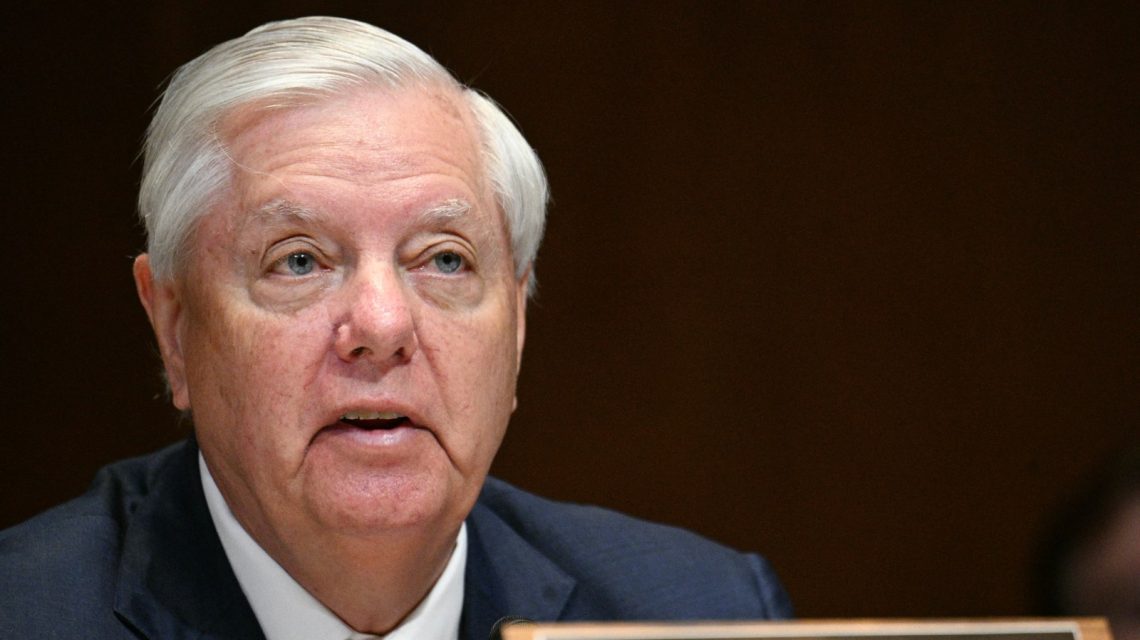
Senator Lindsey Graham is seeking re-election for a fifth term in South Carolina, facing Democratic opponent Dr. Annie Andrews. Despite the state’s Republican favor, the race has gained national attention. While polls and betting odds favor Graham, Andrews’ fundraising places her in a competitive position. She is leveraging dissatisfaction with Washington and her healthcare background to challenge Graham. Graham secured his primary victory with 58 percent of the vote, while Andrews won 61 percent.
The broader national context increases the stakes as control of the U.S. Senate hangs in the balance. South Carolina is traditionally a Republican stronghold, but developments could influence broader election strategies.
Polling Data and Oddsmaking
Limited polling has been conducted in South Carolina, mainly by Democratic sponsors. A February poll suggested Graham leading by 5 points, while a November poll showed him even with a generic Democrat. Despite his primary spending exceeding $14 million, Graham holds an advantage in the general election according to the Cook Political Report, which labels the race “solid R.”
Prediction markets show Republicans with a strong lead, though the margin has lessened since early in the year. Kalshi gives Republicans a 78.8 percent chance of winning. Polymarket shows similar figures, with Republicans at 81 percent. Both markets demonstrate a narrowing gap compared to earlier months.
Race Implications
The South Carolina race forms part of a larger contest for Senate control. Democrats need four additional seats for a majority. Despite Republicans’ structural advantage, the state is not seen as a top battleground. Yet, significant developments might shift strategic resources. Narrowing odds in prediction markets reflect a dynamic electoral environment.
Annie Andrews’ Campaign Strategy
Dr. Annie Andrews presents a unique profile with potential crossover appeal. Based in Charleston, her experience as a pediatrician provides insight into healthcare challenges. Her campaign emphasizes health care, education, and economic security as key issues.
Andrews’ supporters, notably mothers, resonate with her campaign’s focus on family issues. She has raised $8 million, closely matching Graham’s $7.7 million fundraising since May 2025. Despite a loss against Nancy Mace in 2022, where she garnered 42 percent, she seeks to unify Democrats and attract independents.
Historical Context
Democrats face an uphill battle in South Carolina. The last Democratic Senate victory was in 1998 with Fritz Hollings. Republicans dominate federal elections, holding both Senate seats, statewide offices, and a legislative majority. The state has favored Republican presidential candidates since 1976.
However, some data indicate vulnerabilities in Graham’s position, such as weak favorability and potential voter openness to change. Narrow polling margins suggest possibilities for Andrews to form a viable coalition.
Looking Ahead
With the November 2026 election approaching, voter decisions loom. Any new polling or spending shifts may indicate changes in race dynamics. Andrews’ success hinges on Democratic turnout and independent support. For Graham, maximizing Republican turnout is key. If national stakes increase, South Carolina could see heightened investments from both parties.
 Sen. Rand Paul Criticizes Trump’s Proposed Financial Plan Amid Rising National Debt
  U.S. and China to Discuss AI Transparency
  Fraud Investigation of Autism Center Raises Questions for Minnesota Senate Candidate
  Gen Z Voters and Their Impact on the 2026 Midterm Elections
  Rep. Alexandria Ocasio-Cortez Defends Macklemore Amid Tour Controversy
  Influence Concerns Surround California Political Donors