
For much of the current fiscal year, the federal government has faced repeated shutdowns, disrupting its operations. What was once a rare occurrence now seems routine, provoking questions about its significance and effects.
The primary reason behind such shutdowns is Congress’s failure to pass the 12 essential appropriations bills mandated by law. These bills are required to ensure the continuity of federal operations. When they are not passed timely, funding from previous sessions lapses, leading to a halt or partial shutdown in government activities.
Partial shutdowns occur when Congress succeeds in passing some appropriations bills but fails on others. This leads to selective interruptions in government functions, affecting certain departments while others continue to operate. A concrete example of such an impact is visible in the closure of pivotal facilities such as the Federal Trade Commission building since October 1, 2025.
Once considered an anomaly, the persistence of these shutdowns has raised concerns regarding their normalization. This situation, where an essential government action becomes commonplace, urges a deeper investigation into its implications for democracy and governance. It challenges the functioning of a government that traditionally promises uninterrupted service to its citizens.
As citizens and policymakers navigate this landscape, understanding the systemic and procedural vulnerabilities that lead to frequent shutdowns is crucial. Solutions require a concerted effort to address legislative inefficiencies and ensure better alignment in governmental budget planning.
 Allan Lichtman’s Framework for Assessing Presidential Greatness
 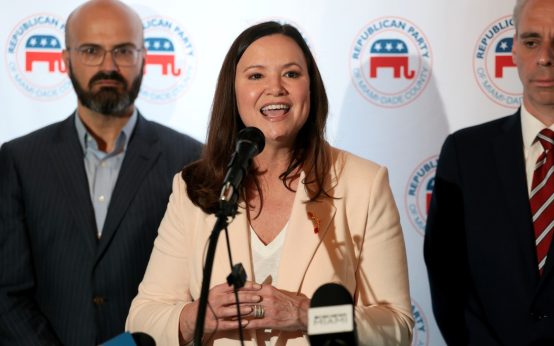 Florida Senate Race Tightens as Recent Polls Show Dead Heat
  Ethics Complaint Targets Colorado Representative Lauren Boebert
  Ken Paxton’s Campaign Funding and Polls
  Inside the Secret Deals Powering the President’s Push to Deport Migrants to Countries Not Their Own
  Independence of Research from Political Agendas