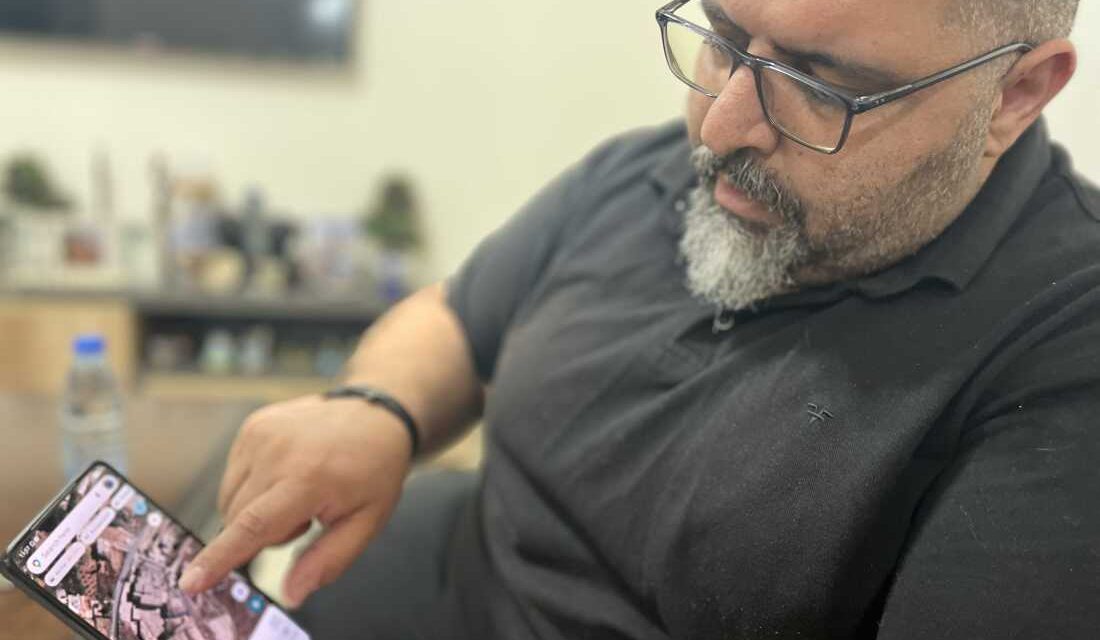
In Yaroun, a southern Lebanese village, residents like Mazen Farah have turned to satellite images to document the devastation of their community. The images reveal the destruction of the Christian section, including a two-story stone house Farah’s father built after years of working in the Gulf. Despite clear evidence, Israel denies hitting a convent in the village, pointing to a different building.
The conflict intensified in March, when Israel conducted airstrikes amid clashes with Hezbollah, displacing hundreds of thousands across over 100 villages. Following an April 17 ceasefire, Israel demolished more buildings, citing Hezbollah infrastructure as targets but offering little proof. Israeli Defense Minister Israel Katz expressed intentions to depopulate Lebanese villages near the border, creating a “buffer zone.” Displaced residents face restrictions returning home, compelling those from Yaroun to pool resources for commercial satellite images, which often cost $112 each. However, they face challenges as providers sometimes cannot deliver the requested images.
Yaroun has faced ongoing destruction; only 20 out of 200 homes remain intact. Mayor Hafez Ghacham said Israeli forces destroyed Christian and Muslim structures, including churches and mosques. A Greek Catholic church, Saint George, was among the destroyed landmarks. Villagers, although displaced, continue to pray in nearby locations but are now barred entry.
Israel refused allegations concerning its military actions, denying responsibility for the convent destruction despite available evidence. Yaroun, known for its scenic beauty with stone houses and green olive and citrus orchards, has a rich historical context. It forms part of the Galilee region, believed to be where Jesus preached and performed miracles.
The story of displacement is personal for people like Mazen Farah, whose family had deep roots in Yaroun. During previous conflicts, many residents fled, including a generation avoiding Israeli-aligned military service. They relocated to the U.S., Canada, and Australia, yet maintained connections to Yaroun.
The personal accounts reveal the depth of the connection to their homeland. Hanna Farah, Mazen’s father, now living in New York, mourns the loss of his 92-year-old mother’s house. Despite rebuilding efforts, residents face hurdles under continued conflict threats, including restrictions on entering their village.
Recent satellite images reflect this ongoing destruction, leaving only rubble where homes once stood, as shared by Americans with roots in Yaroun. The U.S. annually provides around $3.8 billion in military aid to Israel, raising concerns among affected American property owners like Nehmi Hanna, who spent years building homes that now lie in ruins.
Qasem Fares, residing in Panama, experienced similar loss with the demolition of his 12-bedroom house in Bint Jbeil. After starting life in poverty, success in business allowed him to build a home representing his accomplishments. Yet, like many others affected, he finds the situation heartbreaking.
The hope for peace persists among the displaced, with some expressing their desire for future generations to live in a stable Yaroun. Despite the ongoing strife and destruction, many remain hopeful that they can someday return and rebuild their village, holding on to the memories and aspirations for a peaceful future.
 Gorillaz and Macklemore Respond to Controversy Over Israel-Palestine Statements
  Investigation into Lion Deaths in Tanzania
  Merz Stays Resolute Amid Electoral Shifts in Germany
  U.S.-Iran Relations and Diplomacy at Upcoming U.N. Assembly
  US-China Relations Under Scrutiny: Expert Warns of Escalating Tensions
  Extradition of Suspects in Haitian President’s Assassination