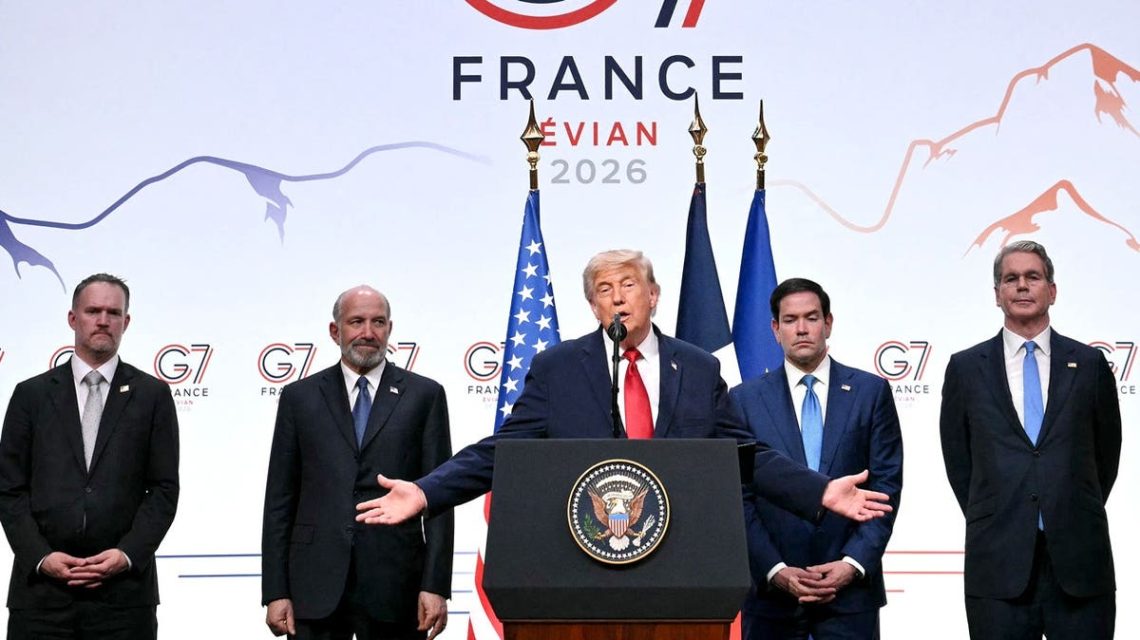
Americans are currently divided on whether to seek Iranian regime change or pursue a diplomatic settlement. This finding comes from a recent survey conducted by the Reagan Institute. Approximately 39% of respondents support a negotiated settlement that keeps Iran’s current government, as long as it agrees to verifiable limits on nuclear and missile programs. Meanwhile, 36% advocate for replacing Iran’s government with one more aligned with U.S. interests.
An additional 16% of participants favor allowing the current regime to remain but with significant military and economic weakening. Around 8% are undecided on the matter. The survey results came before the signing of a memorandum of understanding between President Donald Trump and Iran, which included a 60-day ceasefire and ensured the opening of the Strait of Hormuz.
The political dilemma for President Trump is evident as these findings highlight divergent American opinions about U.S. policy towards Iran. Despite the newly signed agreement focusing on curbing Iran’s nuclear aspirations through negotiation, consensus among the American populace remains unsettled.
Partisan Perspectives
Survey data reveal that political affiliations sway opinions significantly. Republicans show a marked preference for replacing Iran’s government. Half of the Republican respondents support this course, compared to 25% who favor negotiation that includes verifiable nuclear limits. Similarly, MAGA Republicans align closely, with 51% supporting regime change and 25% endorsing a diplomatic resolution.
Democrats, by contrast, mainly support a diplomatic approach. About 52% favor a negotiated settlement, while 25% would opt for regime change. Additionally, 14% prefer maintaining the current regime but with diminished military and economic powers.
Survey Methodology
The Reagan Institute conducted the survey from May 26 to June 3 with 1,555 participants nationwide. The margin of error stands at plus or minus 2.5 percentage points. The survey methodology combined live telephone interviews, online panels, and text responses. The demographic benchmarks were adjusted according to the U.S. Census Bureau’s 2023 statistics to accurately reflect the U.S. population. An oversample of 331 MAGA Republicans aged under 30 was included, carrying a 5-point margin of error.
Strategic Intentions
The Reagan Institute, grounded in the Reagan foreign-policy ethos of “peace through strength,” underscores the survey’s context as Trump defends his memorandum of understanding with Iran. This agreement aims to quell tensions and facilitate a broader accord addressing Iran’s nuclear ambitions.
During the memorandum’s 60-day negotiation window, the U.S. and Iran aim to forge a comprehensive deal. Provisions within the agreement work towards restoring commercial activity through the Strait of Hormuz and permit limited sanctions waivers as negotiations continue. Future discussions will tackle contentious subjects like the long-term outlook of Iran’s nuclear program.
President Trump has presented the memorandum as a strategy to avert conflict while seeking substantial settlement terms with Tehran. In advocating for the agreement, he suggests that reopening the Strait of Hormuz and imposing further limits on nuclear development provides both economic stability and a chance for prolonged negotiations.
 State Department Enhances Passport Application Process
 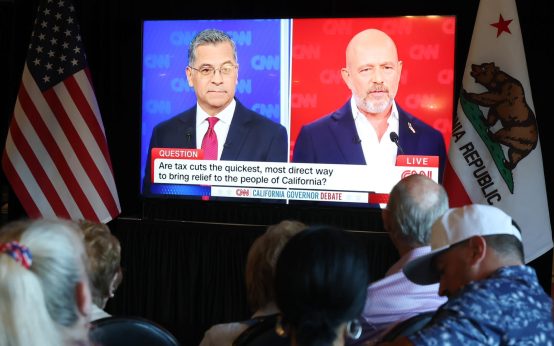 California Gubernatorial Debate: Becerra vs. Hilton
 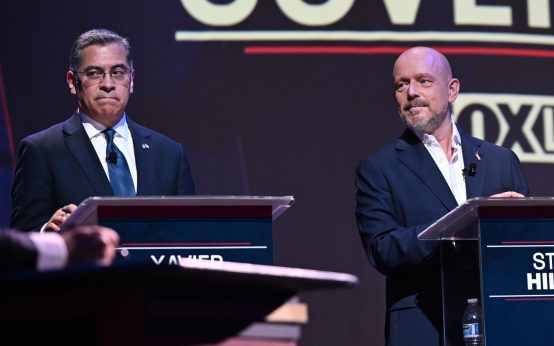 California Gubernatorial Debate: Becerra vs. Hilton
  California Gubernatorial Debate: Becerra vs. Hilton
 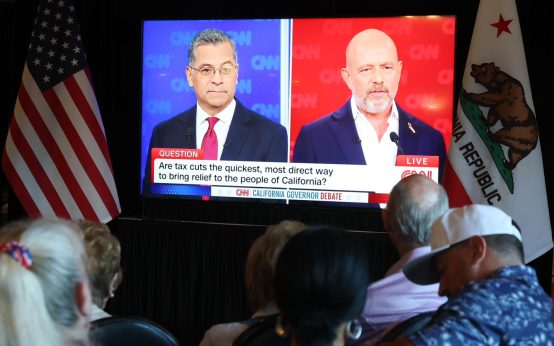 Key Moments and Insights from the Becerra-Hilton Gubernatorial Debate
 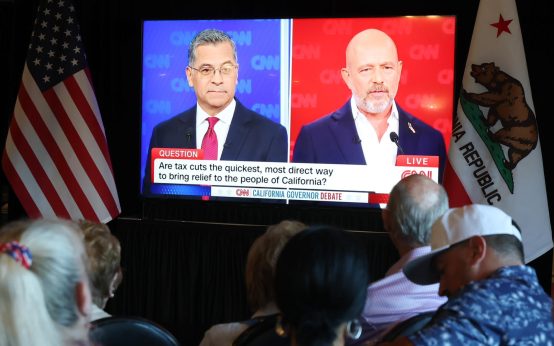 Becerra and Hilton Clash Over California’s Future in Heated Debate