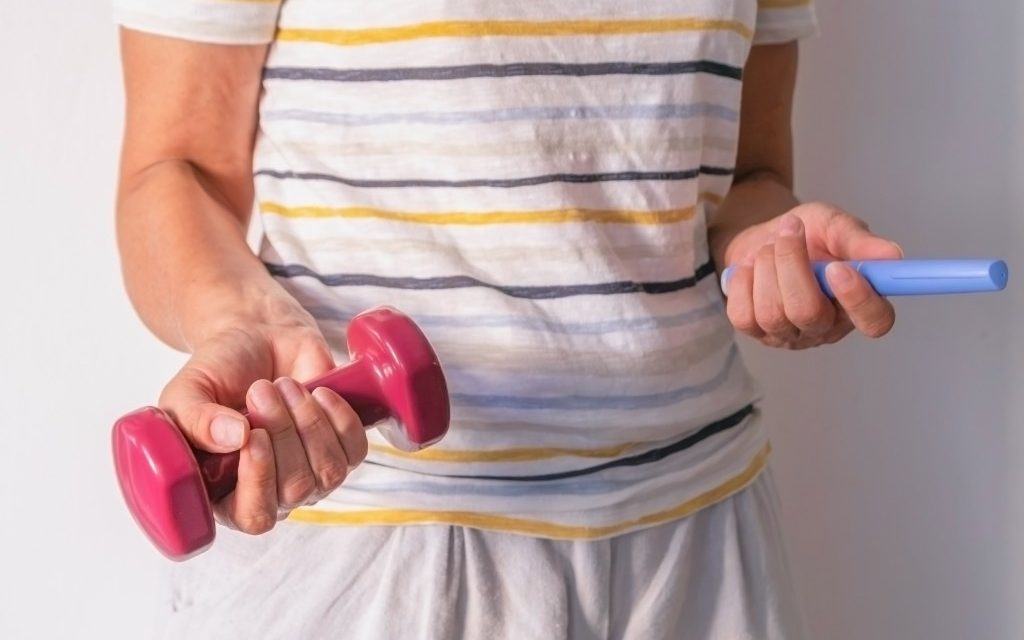
With the rise in GLP-1 medications like Ozempic, Wegovy, and Zepbound for weight loss and diabetes management, maintaining muscle mass is increasingly important. According to a Gallup survey, 11% of U.S. adults now use these drugs for weight loss, up from 3% in 2024. Research indicates that lean mass, including muscle, constitutes about 25% to 33% of weight lost through these treatments.
Biologist and longevity expert Gary Brecka from Miami, Florida, emphasizes the significance of muscle preservation. He shared with Fox News Digital his approach, which involves brief daily exercises. “GLP-1s can be life-saving, particularly for those with severe obesity or type 2 diabetes, but they also alter individuals’ wellness trajectories,” he noted. “The key for those using GLP-1s is to mitigate the loss of lean body mass.”
Brecka points out that weight loss doesn’t exclusively mean losing fat. “When someone wants to lose weight, they typically mean fat loss,” he explained. “With GLP-1s, about 20% to 40% of weight lost is lean body mass.” Lean body mass includes muscle, water, organs, blood, and connective tissues. Preserving this mass is crucial during GLP-1 treatment.
“You don’t have to lift like a bodybuilder to mitigate lean body mass loss,” Brecka stated.
Strength is vital for independence as people age. It supports activities like bathing, dressing, and walking. Brecka remarks, “Maintaining control over these activities keeps us independent.”
Exercise and Protein
Brecka suggests starting with six minutes of daily resistance exercises. “Weight training doesn’t require dedicating 60 to 90 minutes each day,” he said. With adequate protein intake, muscle can be preserved during weight loss. Proteins supply amino acids necessary for building and maintaining body tissues.
Busy individuals can incorporate resistance exercises throughout their day by “snacking” on exercise. Simple exercises like knee-supported planks or body-weight squats are effective. Using dumbbells or barbells for exercises such as goblet squats can also be beneficial.
“Exercise should be a non-negotiable daily practice,” Brecka said.
He recommends at least three days of resistance training and three days of cardiovascular activity per week. Cardiovascular training could be a simple walk, possibly with a weighted vest for added resistance. Small daily choices, such as taking stairs instead of escalators, can significantly impact the body’s ability to rebuild tissues.
Importance of Protein
Protein assists in more than muscle support. It breaks down into amino acids, aiding in the construction and repair of muscle and other body tissues. Current dietary guidelines suggest consuming 1.2 to 1.6 grams of protein per kilogram of body weight daily. This range aligns with recommendations during active weight loss using GLP-1 medications.
Brecka advises discussing any decrease in energy or exercise performance, like struggling with previously manageable stairs, with a healthcare provider.
 Severe Smog Engulfs New Delhi After Diwali Celebrations
 Insights from a Hospital Executive’s Journey Working ER Shifts
 Biden Reflects on Memoir and Health Challenges
 Former Aide Criticizes Trump’s Advisers on Health Initiatives
 From Flight Attendant to Content Receptionist: Embracing Simplicity
 A Different Approach to Aging and Beauty