The LaSalle Corridor in Chicago is undergoing a transformation. Dusty office buildings are turning into modern residential spaces. This transition signals a shift in the city’s longtime financial district. Some projects receive financial support from the city in exchange for offering affordable apartments. Others rely on private investments.
A major project is the revitalization of the James R. Thompson Center at 100 W. Randolph St. Here, tech giant Google will establish its local headquarters next year. This represents a significant opportunity for LaSalle Corridor. Still, progress elsewhere is faster.
For decades, Chicago has tried to compete with Wall Street. The LaSalle Street trading floors introduced innovations like financial futures and stock options. Today, Wall Street leads in creating mixed-use neighborhoods with a financial background.
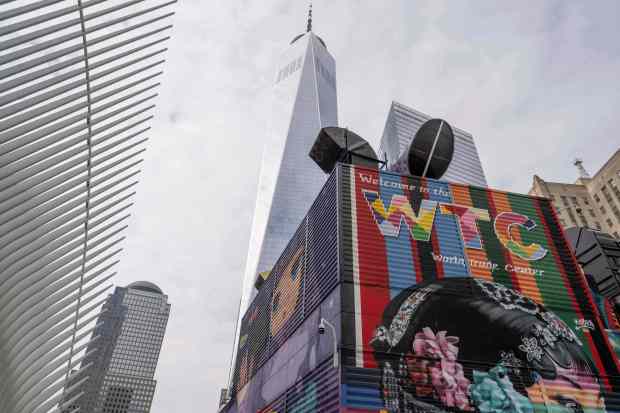
Lower Manhattan, home to Wall Street, has evolved into a vibrant area where people can live, work, shop, and play. Residential growth has expanded the population from 24,000 before 9/11 to 70,000 today, based on data from the Alliance for Downtown New York. Hotel rooms have tripled, and 240 new retail outlets have opened. Enhanced transportation through new transit centers, Oculus and Fulton Center, has improved access.
Finance jobs now account for about one-third of employment in Lower Manhattan. Other sectors like advertising, design, media, and tech are booming. Companies like American Express are investing in the area, planning a new global headquarters at 2 World Trade Center. Christopher Nelson from the Alliance highlights the young and educated demographic, energizing the neighborhood.
Challenges persist between socialist Mayor Zohran Mamdani and financial leaders. Conflicts like these threaten progress but have not stalled Lower Manhattan’s momentum.
Similarly, Miami’s Brickell neighborhood, dubbed Wall Street South, is emerging as a financial hub. Big players, including Citadel, have expanded here. The rapid growth strains infrastructure. Brickell City Centre thrives with restaurants, hotels, offices, and condos, using a live, work, shop, play model. Marketing director Chris Valle notes that investment has transformed the area.
Chicago faces a different picture; construction cranes are rare. Newmark analysts report a halt in downtown Chicago office construction, the quietest since 2012. There’s a surplus of office space, and storefronts in the Loop remain vacant. Office-to-residential conversions are slow and costly. The city allocated over $150 million in tax increment funding for remaking LaSalle and Monroe Streets.
The developer of 111 W. Monroe St. has requested more funds. While these investments are promising, caution is needed to avoid overburdening taxpayers.
Chicago needs to harness its strengths. The city is more affordable and less crowded than Manhattan. Chicago boasts a central location, strong transport, top universities, and rich cultural attractions, overshadowing Miami. In Miami, weather concerns include hurricanes and heat waves.
LaSalle Street has potential. Mayor Brandon Johnson’s focus on outer neighborhoods requires balance. An iconic view stretches south from Monroe to the Chicago Board of Trade on LaSalle. This unique vista can be marketed to draw in talent and investment.
Chicago must act with urgency. LaSalle Street can compete, but it needs proactive leadership. City Hall should inspire this revitalization effort to help LaSalle rise above the competition.
Submit a letter, of no more than 400 words, to the editor here.
 Potential Impact of Tropical Storm Polo on Southern California
 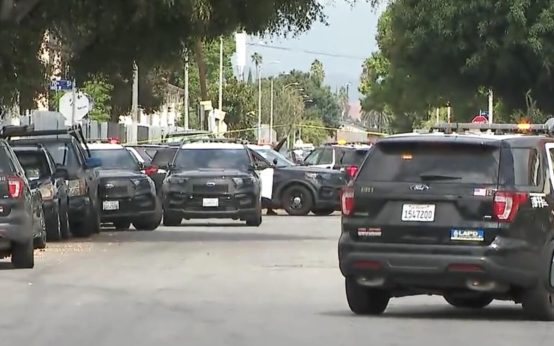 Shooting Incident at South Los Angeles Senior Assisted Living Facility
 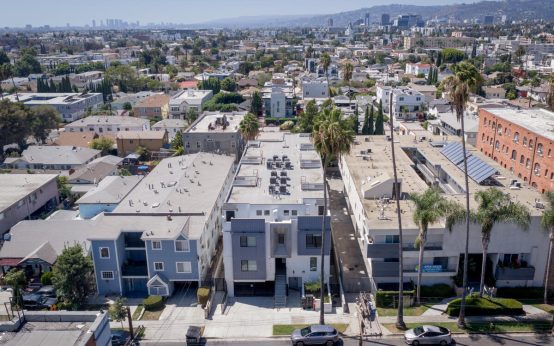 Los Angeles Multifamily Housing Market Challenges and Decline
  Legal Challenges in Pursuing a Wrongful Death Claim Against Utah Valley University
 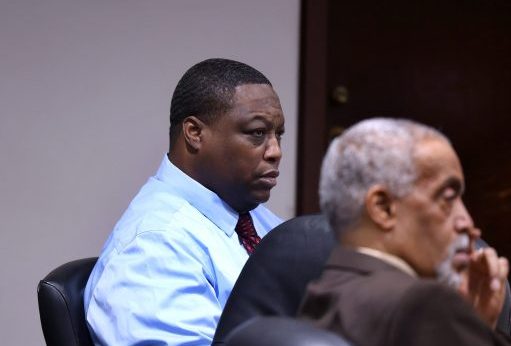 Man Arrested After Fatal Stabbing on Chicago’s South Side
  Debate Over ICE Action in Austin Escalates