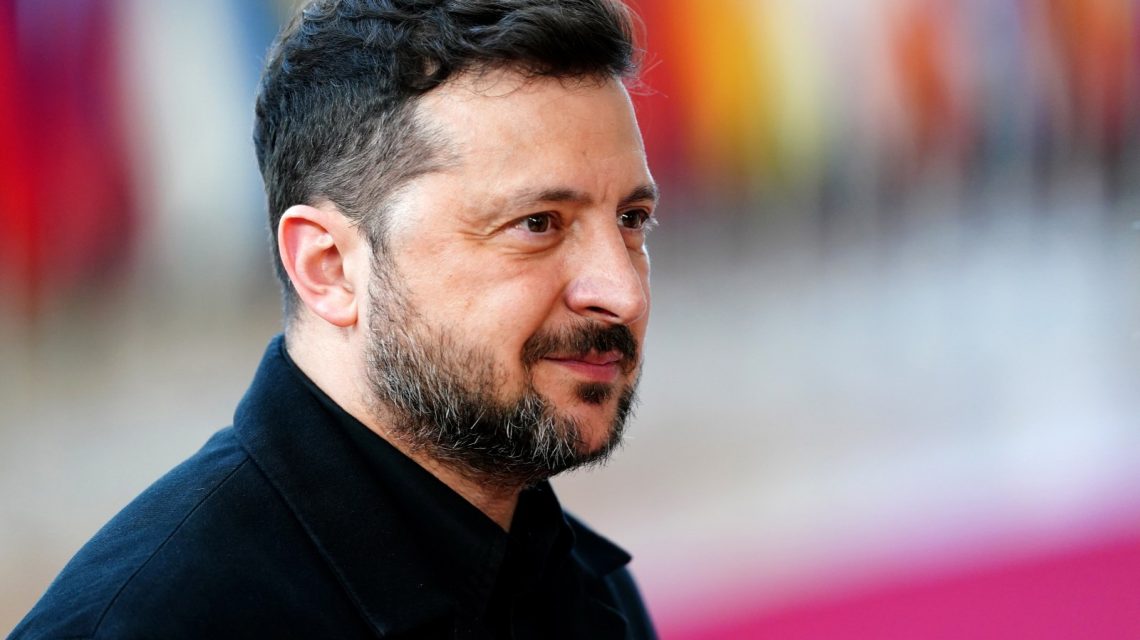
Poland recently decided to revoke the prestigious Order of the White Eagle from Ukrainian President Volodymyr Zelensky. This decision follows Zelensky’s approval to rename a Ukrainian military unit to honor the Ukrainian Insurgent Army (UPA). The UPA is historically controversial due to its involvement in massacres of tens of thousands of Poles during World War II.
This move could potentially benefit Russian President Vladimir Putin, who aims to portray Zelensky and Ukraine as Nazi-like. Ukraine’s Foreign Minister, Andriy Sybiha, criticized the Polish decision, labeling it a strategic mistake with benefits for Moscow. There is a risk that this development may ignite a broader diplomatic disagreement between the two neighboring countries. They have been allied since Russia invaded Ukraine in 2022. This issue arises just days before a conference in Poland focused on rebuilding Ukraine.
The Historical Context Between Ukraine and Poland
Warsaw has been a steadfast supporter of Kyiv, united against Moscow. However, over time, various issues have affected Polish sentiment toward Ukraine, like refugee movements and grain imports. Historical events, such as the World War II atrocities, also continue to influence Poland’s view of Ukraine.
Polish President Karol Nawrocki announced the decision to revoke the honor, stating it was due to the Ukrainian military unit’s new name, ‘Heroes of the UPA.’ He clarified that the decision is not against the Ukrainian people and doesn’t alter Poland’s strategic security policies.
In response, Andriy Sybiha expressed regret through social media, criticizing Poland’s decision to escalate the conflict and stating that no foreign leader would dictate Ukraine’s history.
The Controversial Legacy of the UPA
Within Ukraine, the UPA is revered by some for resisting Nazi Germany and the Soviet Union, symbolizing the struggle for independence from Moscow. However, the UPA’s involvement in the Volhynia massacre, killing an estimated 100,000 Polish civilians, stands as a point of contention.
The decision to name a Ukrainian special forces unit after the UPA has sparked widespread outrage across Poland’s political scene. A recent survey by SW Research revealed that 51.9% of respondents now view Ukraine and Zelensky less favorably following this decision.
Zelensky received the Order of the White Eagle in 2023 from former Polish president Andrzej Duda, recognizing his efforts in fostering bilateral relations, democracy, peace, and security in Europe.
Putin’s Rhetoric and Its Impact
Since Russia’s invasion began in 2022, Putin has attempted to depict Ukraine and its leaders as Nazis. He claims to protect people from abuse and genocide by the Kyiv regime while aiming to ‘demilitarize and denazify’ Ukraine.
While Ukraine has a history of antisemitism and some far-right groups exist, these groups hold marginal political influence. According to research from RAND, extreme narratives, including Ukraine’s alleged Nazi ties, circulate mainly in Russian-language online spaces.
This public dispute risks reinforcing Russia’s narrative about Ukraine, which could present challenges as Ukraine continues to seek Western political support.
 The Autocratic Age: A Closer Look
  Venezuelan Migrant Arrest in Texas Sparks Outrage
  Senator Calls for Halt in Diesel Exports Amid Rising Fuel Costs
  Investigation into Far-Left Groups Organizing Protests
  Deadly Dispute Over Beach Chairs in Greece
  Couple’s Fortunate Detour Saves Them from Himalayan Disaster