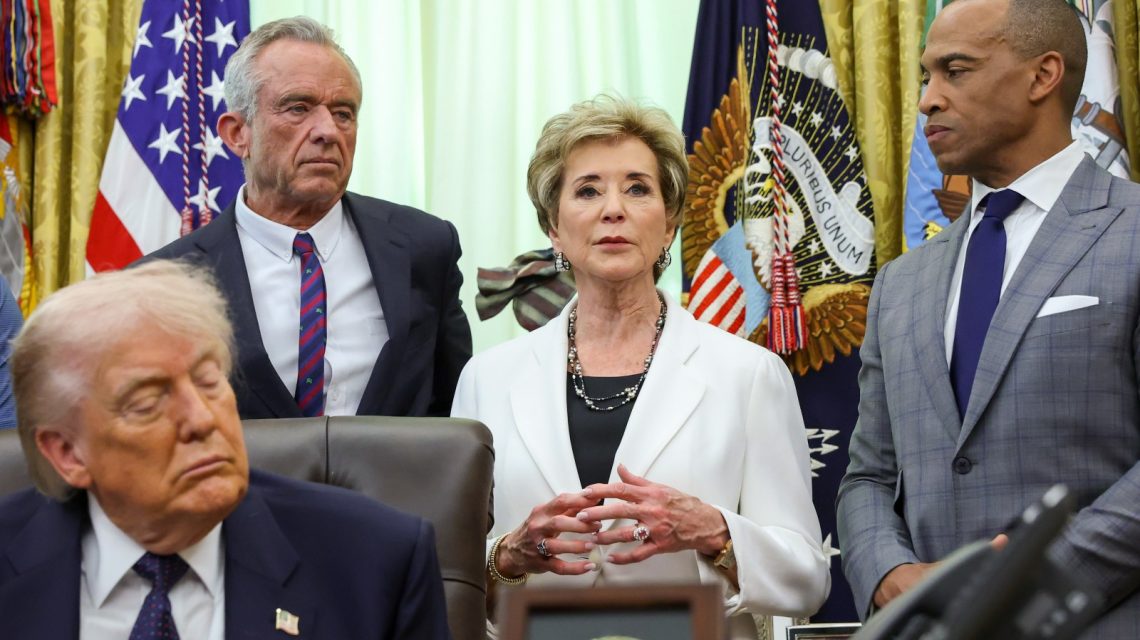
Millions of Americans with federal student loans will experience dramatic changes to borrowing, repayment, and loan forgiveness starting July 1. These updates stem from new federal regulations associated with the One Big Beautiful Bill Act signed by President Donald Trump. This marks a significant shift in the U.S. student loan system.
Impact on Borrowers
More than 40 million Americans have federal student loan debt. Experts suggest these changes could substantially affect monthly payments, borrowing choices, and repayment routes. Some borrowers might face higher monthly payments or reduced forgiveness options. New borrowers will encounter stricter borrowing limits.
List of Student Loan Changes Effective July 1
1. New Repayment Assistance Plan (RAP) Launches
- The RAP offers a new income-driven repayment option.
- Payments range from 1% to 10% of income, based on earnings.
- Forgiveness is available after 30 years of payments.
- Features include interest support and principal reduction incentives.
RAP replaces many current income-driven plans. Borrowing costs may rise in the long term.
2. SAVE Plan Ends and Transition Required
- The Biden-era SAVE repayment plan ends due to court rulings and a federal settlement.
- Around 7 million borrowers must switch to a new plan.
- Loan servicers will send 90-day notices starting July 1.
- Borrowers who don’t choose a plan will default to a standard repayment option.
Many borrowers could see increased monthly payments leaving SAVE.
3. Phase Out of Most Income-Driven Plans
- SAVE, PAYE, and ICR plans will stop new enrollments starting July 1.
- These plans will phase out by 2028.
- IBR remains as the main legacy option for current borrowers.
- For new borrowers, RAP and a standard plan will be key options.
4. Stricter Borrowing Limits
New caps begin in July, limiting the amount students and parents can borrow from federal loans.
- Parent PLUS loans capped at $20,000 per year with a $65,000 lifetime limit per student.
- Graduate student borrowing limited to about $20,500 annually, with a lifetime cap of $100,000.
These changes may force families to rely on private loans, often at higher interest rates.
5. Grad PLUS Loans Eliminated for New Borrowers
- Graduate students cannot take Grad PLUS loans for new programs from July 1.
- Existing borrowers may continue under current terms in some situations.
6. Updates to Public Service Loan Forgiveness (PSLF)
- New rules change PSLF program, revising criteria for employer qualification.
- Education Secretary Linda McMahon gains authority to disqualify employers with a “substantial illegal purpose.”
7. New Auto-Pay Interest Rate Incentive
- The Department of Education announced a 1% interest rate reduction for auto-pay enrollees.
- The rate is available through June 30, 2028, for eligible borrowers.
“The Trump Administration is making student loan repayment simpler, and borrowers should seize this temporary interest rate reduction,” said Under Secretary of Education Nicholas Kent.
Next Steps
Borrowers, especially those enrolled in SAVE, will receive notices starting July 1. Typically, they have 90 days to select a new repayment plan. Failing to select a plan could result in automatic placement into a standard plan with higher payments and fewer benefits.
 Cornell University Engages Sally Yates for Review Amid Sexual Assault Scrutiny
  Cornell University Rape Allegations Under Review by Former Deputy AG Sally Yates
  Young Graduates Face Uncertain Paths to Career Success
  Headmaster Encourages Students to Speak Out Against Wrongdoing
  Georgetown University Welcomes a New President
  Building a Network for Conservative College Students