
Graduates of the class of 2026 face challenging job prospects, as noted by the National Association of Colleges and Employers. The current hiring conditions are considered the harshest since the pandemic began. Many graduates accept unpaid internships, a trend at its peak over the last ten years, as entry-level job opportunities shrink. Companies are reducing early-career hiring due to AI replacing roles crucial for skill-building. Internship conversions to full-time offers are at their lowest rate in five years.
The policy response has been to encourage more internship opportunities. Internship access is a strong predictor of future earnings and economic mobility, so the urge to expand these opportunities holds merit. However, internships have limitations in addressing widespread problems. Many internships are unpaid, concentrated in expensive cities, and require social connections. Students who would benefit the most often can’t afford to pursue these opportunities independently.
A better solution is integrating real work experience into college education itself. This approach echoes medicine’s practices from over a century ago. William Osler established a residential training program at Johns Hopkins Hospital in 1889, which set rigorous standards for medical trainees. This model succeeded due to comprehensive training and clear definitions of job readiness. Over time, other industries adopted similar internship models.
The landscape shifted in 1947 when the Supreme Court allowed unpaid internships, leading to a surge in such opportunities. The 1970s saw increased competition for entry-level jobs due to rising college enrolments and credential inflation. Unlike medicine, most industries lacked clear standards, resulting in varied quality and access to intern opportunities.
Today, 40% of internships remain unpaid, and fewer than half of college students complete meaningful internships pre-graduation. The disparity causes a K-shaped career market benefiting those with access and connections, while others struggle. Internship listings alone won’t solve these issues. Students who can’t afford unpaid work or relocation face more challenges, as employers now prioritize work experience over academic qualifications.
Colleges must stop treating work experience as an extracurricular activity by incorporating it into the academic curriculum. Integrating employer-designed projects into courses ensures every student gains practical work experience. Institutions should prioritize work-integrated learning as essential infrastructure, partnering with employers to introduce real-world projects directly into classrooms.
Osler’s medical model succeeded due to structured, supervised training integral to credential achievement. Industries need to adopt this mindset, ensuring work experience is accessible to all students rather than only those with social or financial privileges. By embedding work into academics, higher education can guarantee valuable career preparation for every student.
 Addressing School Violence: Tips for Discussing Shootings with Children
  College Students’ Views on Free Speech and Offense
 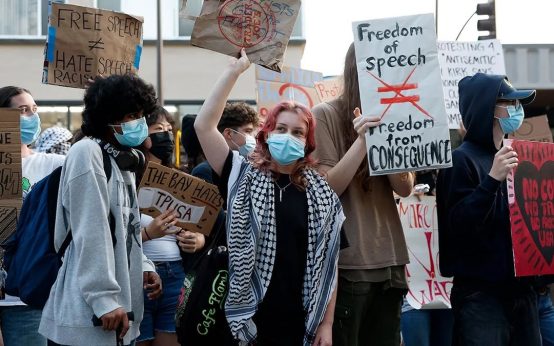 Survey Reveals Attitudes Toward Violence and Hate Speech Among Students
  Reconsidering School Safety Measures
  School Safety Approaches and Challenges After Tragic Incidents
  Talking to Children About School Shootings