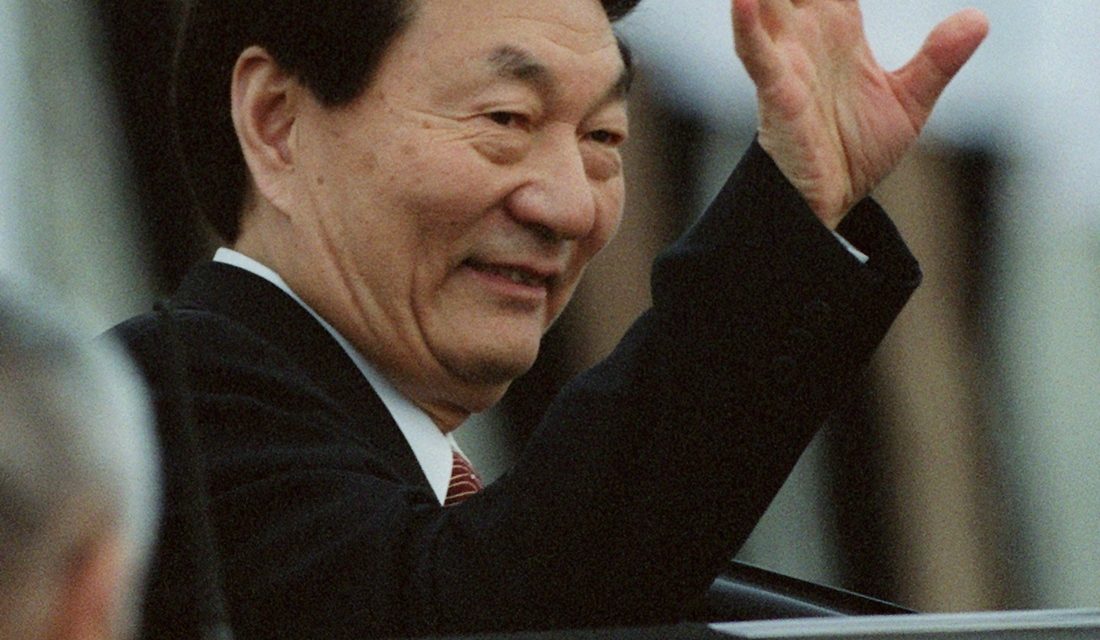
The death of Zhu Rongji marks the end of an era for China. At 97, his passing was attributed to illness, as reported by state media. Zhu, a trained engineer, served as Chinese Premier and was known for significant economic reforms in the 1990s. His initiatives aimed to transition China from instability to a more market-friendly financial system while maintaining the Communist Party’s economic control.
After retiring in 2003, Zhu remained a figure of both admiration and criticism in a country transformed by his policies. His reforms were pivotal in freeing up China’s labor and financial resources, creating vast wealth over decades. However, they also exposed future vulnerabilities.
Zhu’s Vision for Economic Reforms
Charlene Barshefsky, a lawyer and former U.S. trade representative, described Zhu as embracing a vision of China aligned more closely with Western economic systems. His leadership pushed China towards a more open, less state-controlled economy.
A key moment was China’s entry into the World Trade Organization (WTO). To join, China needed U.S. preferential trading status, demanding significant economic concessions from Zhu. His approach, which involved extensive negotiations, displayed his determination and adaptability.
Historical Background and Political Dilemmas
Zhu Rongji was born in 1928 in Changsha, Hunan province. He graduated from Tsinghua University with an electrical engineering degree. In October 1949, he joined the Communist Party. His forthright nature often led to trouble; labeled a “rightist” in 1958, he was purged during the Cultural Revolution but rehabilitated after Mao’s death in 1976.
Zhu’s tenure as Shanghai’s mayor showcased his pragmatism. He managed to stabilize inflation as central bank governor and reformed the tax system as vice premier. These reforms led to wealth creation but also increased debt levels.
The Controversial Restructuring of State-Owned Enterprises
Zhu’s most debatable decision was restructuring state-owned enterprises. He closed inefficient firms, making 30 million workers jobless. Protests erupted, but Zhu pushed ahead, earning both acclaim and condemnation.
Despite harsh criticisms, Zhu tried to mitigate the impact with a basic social welfare system and improved healthcare. However, regions dependent on state employment, like China’s northeast, continue to struggle economically.
Legacy and Influence
Despite facing criticism, Zhu confidently engaged with the press and party critics. His use of humor and direct answers made him a notable figure. Over time, his influence faded, as later reforms in banking and pensions struggled due to political opposition.
Zhu now symbolizes a period where China sought Western-style economic integration. His last years were spent in Beijing, advising future leaders and enjoying Peking Opera, though his guidance was not always heeded.
 Peggy Flanagan’s Senatorial Bid and the Implications for Minnesota Politics
  Michael Alfonso Responds to Carville’s Warning on Democrats and Progressives
  The Debate Over Flock Safety Cameras and Privacy Concerns
  Massachusetts Bill Proposes Muslim Advisory Commission
  Trump’s Secret Flight Sparks Concerns Over Presidential Security and Transparency
  Count Binface vs. Nigel Farage: A Political Showdown in Clacton