NATO’s Defense Strategy
NATO’s top military leader outlined a defense plan for the alliance. This plan prepares for possible attacks on its members. Concerns grow as intelligence suggests Russia may target NATO’s eastern regions soon.
Unified Approach
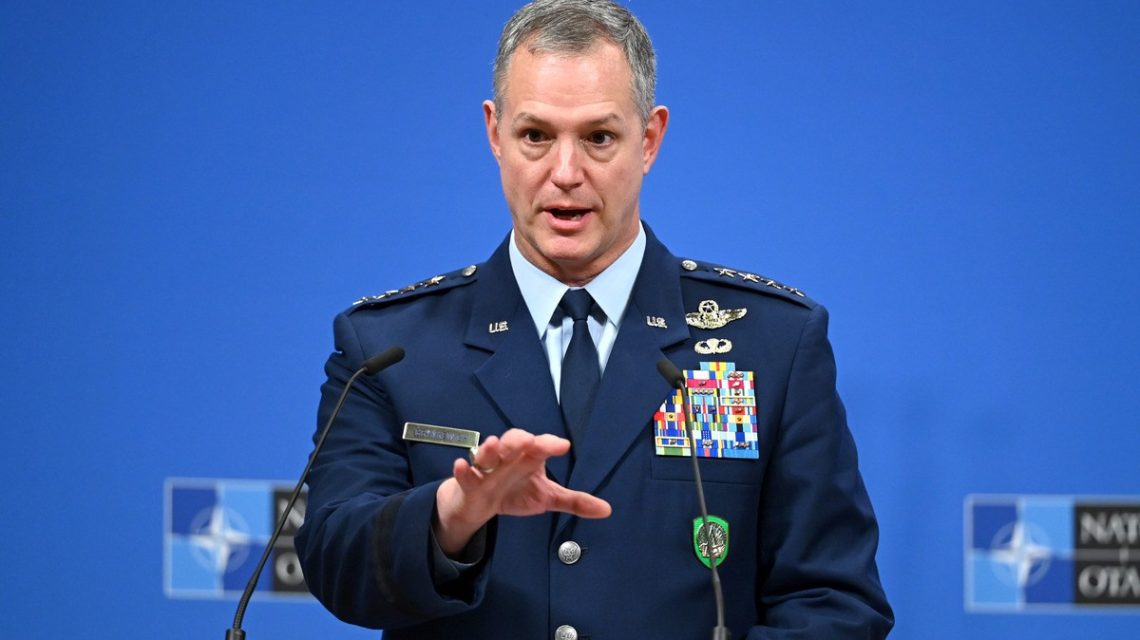
General Alexus Grynkewich, the Supreme Allied Commander Europe (SACEUR), spoke on NATO’s collective readiness. He termed this readiness as a “theory of victory.” All 32 member nations support this approach. This ensures deterrence and defense capabilities in case of any aggression.
Potential Threats from Russia
Recent months have seen warnings from NATO officials about Russia’s tactics. “Hybrid warfare” describes efforts like cyberattacks and infrastructure targeting. These actions fall short of open military conflict. A land-grab in eastern Europe remains a potential scenario for NATO to handle.
Denmark’s intelligence emphasized Russia’s increased cyber operations. This includes sabotage efforts in Europe. They view Russia as increasingly willing to take risks.
Strengthening Defense Latent
NATO nations are boosting their military capabilities. The push comes amid U.S. President Donald Trump’s pressure. The U.S. signals Europe and Canada to rely less on U.S. support. This shift allows Washington to focus on China’s activities concerning Taiwan.
Regional Concerns
European countries, especially near Russia and Ukraine, feel heightened tension. Drone and missile intrusions have raised alarm. Some officials see this as testing NATO’s response and weakening support for Ukraine.
Assessing the Threat
General Grynkewich, from the U.S. Air Force, downplayed immediate fears. He asserted that conflict is neither imminent nor unavoidable.
NATO’s Tactical Response
In case of an attack, NATO would mobilize land forces to confront threats directly. General Grynkewich detailed using aircraft and ships alongside a mix of munitions. This includes long-range precision weapons to counter enemy troops.
Space and cyber capabilities would be activated to address other attack forms. Grynkewich did not elaborate on the specific roles of these forces.
Comprehensive Counterstrategy
The detection of attacks involves advanced sensors. These technologies help neutralize threats before escalation. NATO would not only target offensives but also anything supporting the opposing forces. A blend of inexpensive and precision missiles ensures a strong defense.
This is a developing story and will be updated as more information becomes available.
 Ukraine’s Political Landscape: Potential Presidential Candidates and Challenges
  Tragic Boat Capsizing off Djibouti Coast Claims Lives
  Life in Gaza: One Year After the Ceasefire
  Coordinated Global Protests Against Israel
  Student Protests in France Expose Deep Political and Economic Challenges
  Pope Leo XIV Condemns Death Penalty in Light of Pentagon’s Execution Plans