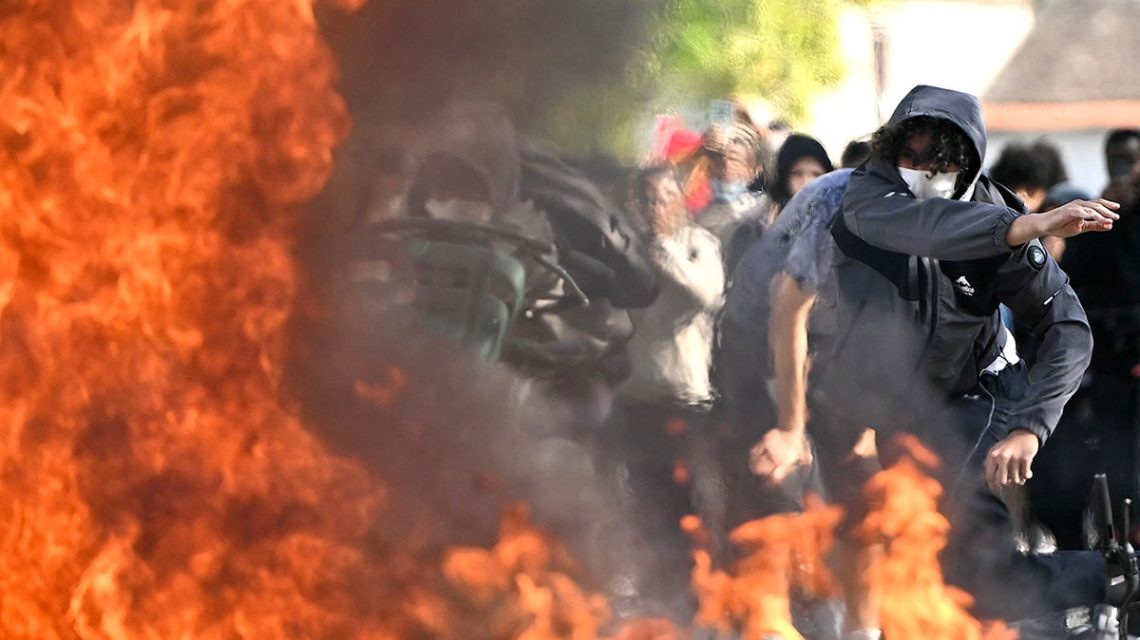
Recent student protests in France have highlighted significant concerns about the state of the country’s education system. These demonstrations reflect broader financial and political issues, with experts warning of further unrest.
Simone Rodan-Benzaquen from the Foundation for Defense of Democracies noted that what began as complaints over school conditions has evolved into a broader conflict involving political forces. She explained that while student anger is genuine, the violence appears orchestrated. Destruction of schools, she argued, is counterproductive to improving education.
Background on the Protests
Protests began in the Ile-de-France region, initially addressing issues such as class sizes and overheated classrooms. They have since expanded nationwide. According to France’s Education Ministry’s 2026 report, a significant portion of education funds go toward salaries, leaving only a small fraction for infrastructure and equipment improvements.
Harvey Feigenbaum, a professor at George Washington University, emphasized France’s financial difficulties, with public debt reaching 117.6% of GDP in early 2026. These financial strains, combined with a fragmented political landscape, exacerbate the crisis.
Political Context
President Emmanuel Macron’s attempt to transcend traditional political divides has weakened moderate parties. This fragmentation has left room for radical movements to gain traction. Macron’s proposed pension reforms faced significant opposition, further highlighting challenges in implementing policies amid economic difficulties.
The current unrest is further complicated by internal political dynamics. Prime Minister Sébastien Lecornu has been managing the immediate crisis in a divided National Assembly.
School System Challenges
Despite substantial spending on education, students and teachers report persistent issues. The OECD reported that France’s per-student spending is higher than the OECD average. However, misalignment in the allocation of resources has led to ongoing shortages.
Educational infrastructure largely falls under regional authorities, but national leaders are often the targets of public frustration. In response, Education Minister Édouard Geffray announced an emergency plan to deploy 3,000 educators to affected areas, a move welcomed by student unions as a preliminary win.
Role of Political Movements
The role of France’s far-left La France Insoumise (LFI) party in the protests has drawn attention. LFI leader Jean-Luc Mélenchon has been noted for linking educational protests to broader ideological agendas. Some reports suggest that LFI activists have been inciting violence, though the party denies these accusations.
Simone Rodan-Benzaquen highlighted how leftist movements are leveraging student dissatisfaction for political ends, aiming to energize their base while framing the far right as a growing threat.
Conclusion
The protests have brought to light significant issues within France’s political and economic systems. Rodan-Benzaquen warned of the risks associated with differing political realities fostered by social media, complicating efforts for dialogue.
Feigenbaum noted the systemic problems with a government struggling under financial commitments, lacking the consensus needed for reform. France faces the challenge of reconciling its public spending with political divisions to prevent further entrenchment of these issues.
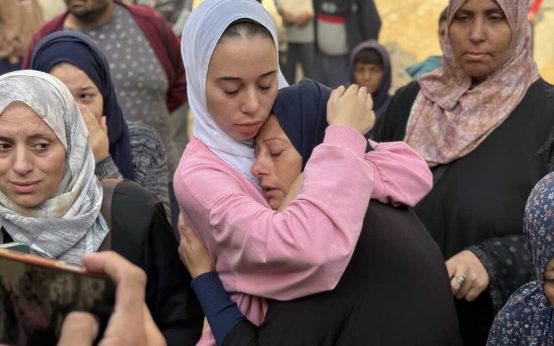 Life in Gaza: One Year After the Ceasefire
 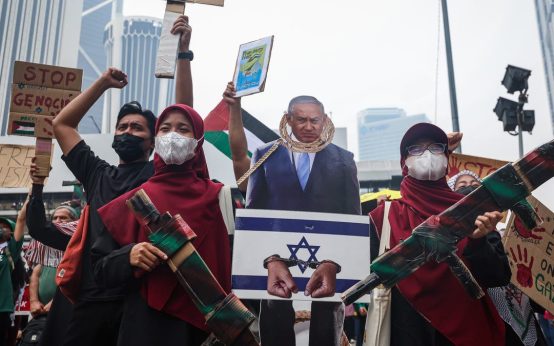 Coordinated Global Protests Against Israel
 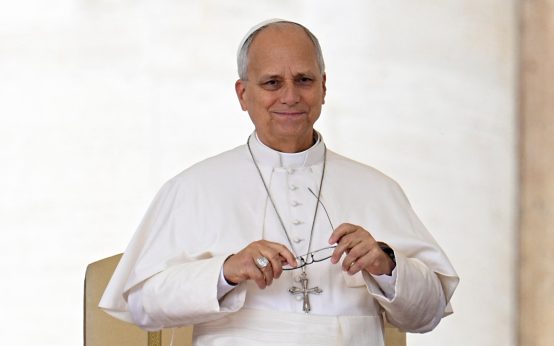 Pope Leo XIV Condemns Death Penalty in Light of Pentagon’s Execution Plans
  Hurricane Simon Surges Toward Mexico as Category 4 Storm
  Ancient Anglo-Saxon Coin Discovered in Scotland
  Severe Weather Events Impact Parts of the Southern U.S. and Mexico