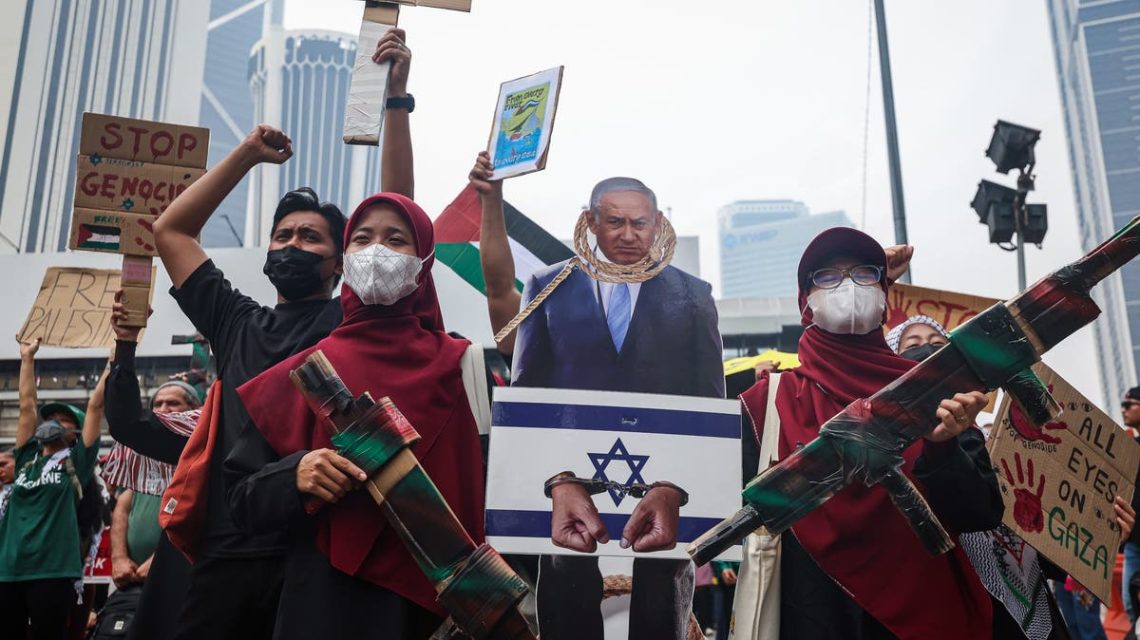
Demonstrators, including CodePink members, gathered in Washington, D.C., joining a global protest against Israel. This protest, called a ‘coordinated global day of action,’ involves events across the world. In Kuala Lumpur, Malaysia, protesters carried signs with strong language against Israel, including one depicting Israeli Prime Minister Benjamin Netanyahu in a negative context.
A Fox News Digital investigation discovered that the protest’s strategy had been established long before the actual events. Organizers had prepared tactics, banners, and a media plan to amplify public outrage. The aim was to use these elements to convert protest efforts into political leverage.
The protest’s documents instructed groups to ‘shut down city squares’ and ‘encircle government buildings.’ Organizers labelled these efforts as a form of resistance and not mere symbolic acts. A Google Map indicated 322 events were scheduled globally.
Among the organizations involved is CodePink, which has received funding from tech mogul Neville Roy Singham. Singham’s financial contributions are under scrutiny due to alleged ties to foreign interests. CodePink has denied any wrongdoing. CodePink leaders, including Medea Benjamin and Olivia DiNucci, encouraged members to join the ‘Feminist Contingent’ at the Library of Congress in Washington, D.C. for the protest.
The coordination of these protests illustrates a strategic combination of local activism, international direction, and media engagement. Organizers used a mix of emotionally charged messaging, visual branding, and typical news outreach to strengthen individual protestors’ beliefs.
The protests emphasized accusations against Israel, such as ‘genocide,’ and criticized media portrayals. A review of planning documents showed the protest aimed to influence public perception of Israel and highlight its actions against Palestinians.
Three primary organizations driving the movement are the ‘Global Alliance for the Palestinian Territories,’ ‘Anti-Apartheid Movement for Palestine,’ and ‘Global Coalition to End the Occupation of Palestine.’ Their efforts aim to elevate the conflict’s presence on the global media stage.
Organizers behind these actions supplied groups with materials and strategic guidance. They aimed to synchronize protests as part of a larger narrative against Israel. This convergence made it possible to turn several isolated events into a unified international protest effort.
The campaign also involved creating multilingual posters and other materials. These materials were distributed prior to the protests and were intended to connect globally through shared visual language and slogans.
In its communications, the campaign used repetition, collective identity, and emotional imagery to persuade audiences. The goal was to frame the situation as urgent and compel action.
Finally, the planned disruptions extended beyond rallies. Organizers advocated for workplace and campus actions, illustrating a broader initiative to influence societal norms and political discourse.
The protest’s steering committee includes several notable figures, such as Jeremy Corbyn and Yanis Varoufakis, highlighting the international scope of the coordination. Their focus is on using these demonstrations to enforce political pressure on Israel and move towards actions like arms embargoes and sanctions.
 Student Protests in France Expose Deep Political and Economic Challenges
 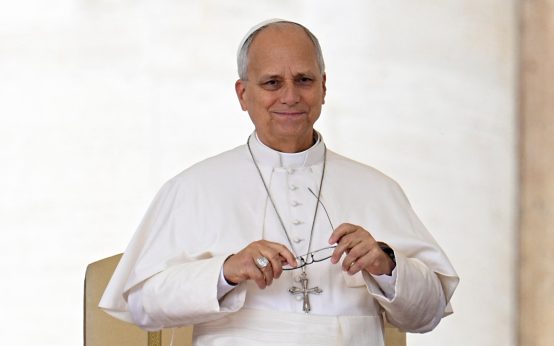 Pope Leo XIV Condemns Death Penalty in Light of Pentagon’s Execution Plans
 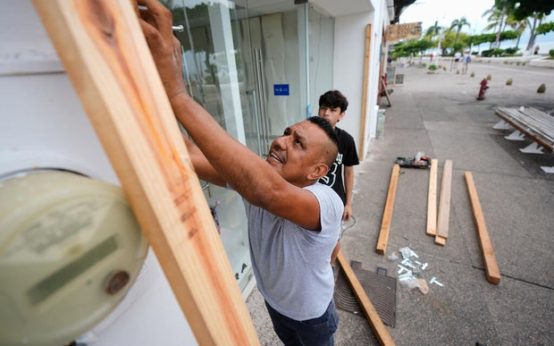 Hurricane Simon Surges Toward Mexico as Category 4 Storm
  Ancient Anglo-Saxon Coin Discovered in Scotland
 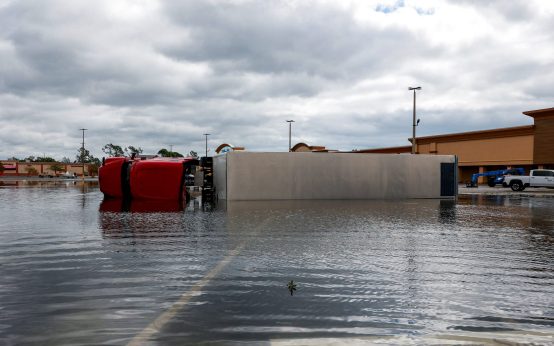 Severe Weather Events Impact Parts of the Southern U.S. and Mexico
  Trump Advocates for New Ukrainian Leadership Post-Russia Deal Dispute