Introduction to Ukraine’s Political Situation
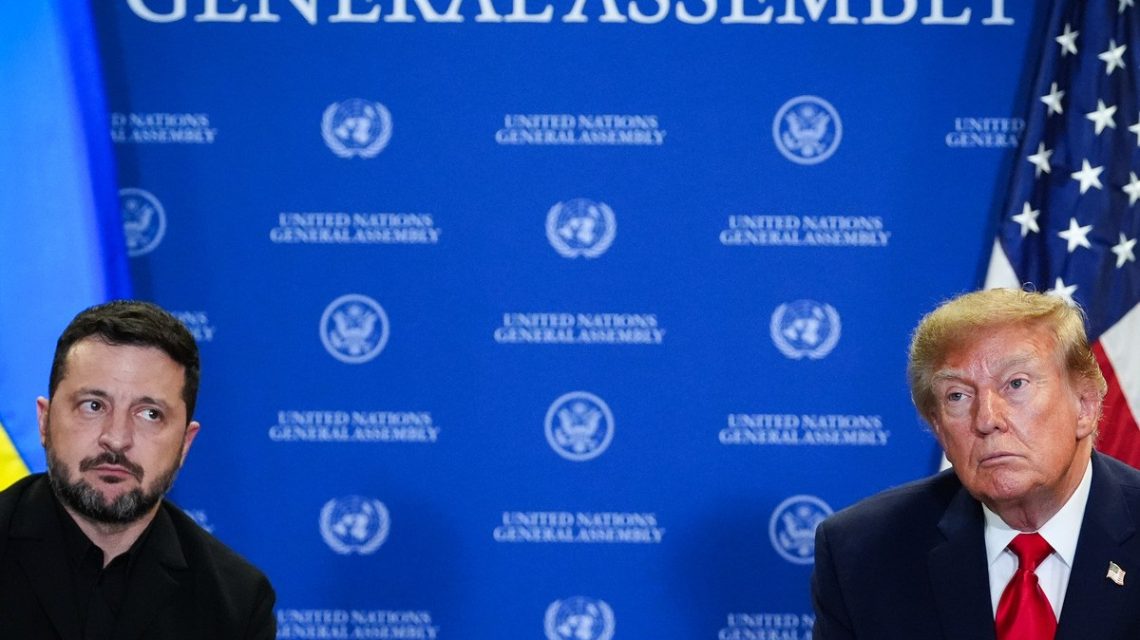
President Donald Trump has urged Ukraine to elect a new president, stirring debates on the political future of current President Volodymyr Zelensky and the timing of Ukraine’s next elections. Trump criticized Zelensky after his disapproval of a US deal allowing access to Russian diesel due to increased fuel prices following Iran’s blockade of the Strait of Hormuz. Zelensky labeled the agreement as disadvantageous, benefiting Russian President Vladimir Putin.
Energy Ceasefire Announcement and Election Proposals
In an effort to stabilize regional energy resources, Trump declared an “energy ceasefire” between Russia and Ukraine, claiming both countries agreed to halt attacks on energy sites. Despite Ukraine’s initial surprise at this announcement, they committed to abide by the deal if Russia complied. However, Ukrainian Foreign Minister Andrii Sybiha reported Russian violations shortly after the ceasefire was declared.
On the election front, Zelensky expressed willingness to organize elections if Russia consented to a 60-day total ceasefire. The country’s constitution prohibits elections under martial law, which has been enforced since Russia’s full-scale invasion in February 2022. This legal obstacle, coupled with safety concerns amidst ongoing conflict, poses significant challenges to initiating elections.
Zelensky’s Leadership and Public Opinion
Zelensky’s initial popularity has been overshadowed by corruption scandals involving his close associates, and controversies such as the dismissal of former Defense Minister Mykhailo Fedorov, sparking protests. Despite his tenure ending in May 2024, Zelensky’s election tactics have been challenged by external pressures, with Russia branding him illegitimate and Trump accusing him of leveraging the war to dodge elections.
Recent polling from the Kyiv International Institute of Sociology suggests growing public sentiment against Zelensky’s reelection, with a majority opposing his continuation in office and over 71% resisting immediate elections.
Potential Presidential Candidates
Valery Zaluzhnyi
Valery Zaluzhnyi, the former Ukrainian military commander-in-chief and current ambassador to the U.K., is viewed as Zelensky’s primary rival. Research by Rating Group indicates Zaluzhnyi as one of the top contenders, with substantial public trust—64% of respondents trust him in comparison to the current president’s 53%. Despite the speculation, Zaluzhnyi has not confirmed his presidential aspirations.
Kyrylo Budanov
Budanov, prominent as the chief of Ukraine’s military intelligence agency, has gained recognition due to persistent threats to his life from Russia. He currently serves as Zelensky’s chief of staff but remains evasive about his presidential ambitions. The Rating Group data shows Budanov shares a similar trust rating to Zelensky at 53%, with about 6.7% of respondents signaling potential support for his candidacy.
Mykhailo Fedorov
At 35, Fedorov has transitioned from roles such as Ukraine’s deputy prime minister to defense minister before his dismissal, which led to public protests against Zelensky. His dismissal called for wartime elections, challenging Zelensky’s administration. According to Rating Group statistics, about 38% of respondents trust Fedorov, with 7.6% ready to vote for him.
Petro Poroshenko
Poroshenko, Ukraine’s president from 2014 to 2019, remains an opposition lawmaker and vocal critique of current leadership. Despite losing to Zelensky in 2019, Poroshenko faced allegations of treason and supports closer ties with Europe. Poroshenko’s tenure and post-presidential activities highlight significant obstacles due to accusations of corruption and subsequent sanctions, although these were disputed as politically driven.
Ukraine’s political landscape is intricate, with potential candidates’ trust fluctuating amid public dissatisfaction and constitutional constraints. The situation requires careful navigation, ensuring legality and safety in any forthcoming electoral decisions.
 False Quotes Attributed to Denzel Washington and Other Figures
  NATO’s Strategic Plan Against Potential Threats
  2028 Presidential Election: A New Era for Both Parties
  Energy Prices and Policy Challenges
  Secret Service Reports Spike in Threats Against Presidency
  Tragic Boat Capsizing off Djibouti Coast Claims Lives