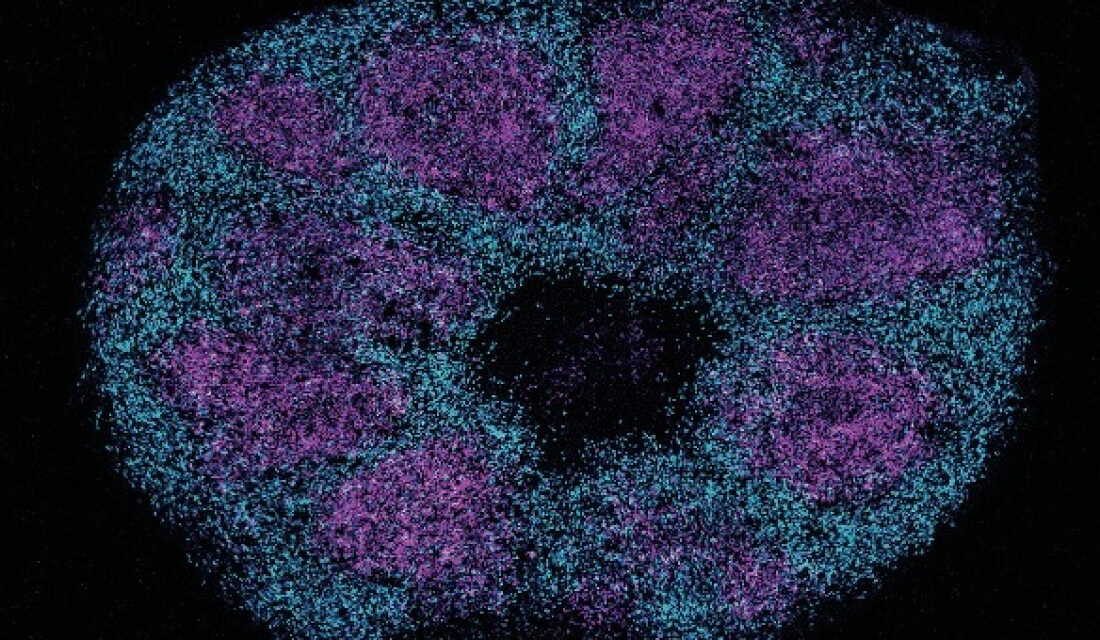
Organoids are lab-grown tissues used to model human brain functions. A recent study employed brain organoids to explore protein interactions linked to autism. Researchers from UC San Francisco have mapped over a thousand interactions among proteins stemming from autism risk genes. This molecular map, detailed in Science, could guide the development of new autism treatments.
Dr. Daniel Geschwind of UCLA describes the study as a valuable resource. Alison Singer, president of the Autism Science Foundation, believes the findings offer hope for new drug therapies. Presently, researchers have identified numerous genes with mutations associated with autism. However, turning these discoveries into treatments has proven challenging.
“There is a significant missing piece in translating genetic discovery to treatment,” explains Dr. Matthew State, a geneticist at UCSF. Proteins, which are necessary for brain development, have not been fully understood in relation to gene mutations.
State and Nevan Krogan are collaborating to understand protein interactions more thoroughly. They aim to bridge the gap between gene mutations and autism’s biological basis by focusing on protein behavior.
Proteins, complex molecules made from genetic instructions, are crucial in defining cells and bodily functions. The research seeks to map the interactions of proteins that come from high-risk autism genes. Recent technological advancements, including AI, have accelerated this research.
The team began by injecting 100 proteins from high-risk genes into lab-grown cells. Using an AI system called AlphaFold, developed by Google DeepMind, they identified direct interactions among proteins. This approach has proved efficient, offering insights quickly and economically.
The researchers introduced mutations found in autism patients to observe changes in protein interactions. These experiments were conducted in frogs and organoids. In one case, mutations disrupted the link between protein pairs, prompting neurodevelopmental issues in organoids.
Molecular Convergence
Mapping over 1,800 protein interactions showed shared biological pathways crucial for early brain development. The convergence of multiple mutations on similar processes is significant for identifying potential treatment targets.
Identifying shared protein complexes involved in autism could shift focus in drug development, Singer states. Current efforts focus on correcting individual gene mutations. Future drugs could target common protein pathways, reducing the need for distinct therapeutic strategies.
Path to New Drug-development
While translating these findings into viable treatments may take years, they provide a critical foundation. Transitioning from biological discovery to approved drugs requires extensive testing for safety and effectiveness.
“Despite the long timeline, this research lays the groundwork for eventual therapies,” says State.
Most drug development focuses on proteins, making the published map a potential tool for pharmaceutical research. By leveraging AI and advancements in other fields, researchers hope to shorten the path to treatment development.
The study received a $46 million grant, supporting further exploration into protein interactions in autism. These ongoing efforts aim to expedite the transition from research to treatment.
 Concerns Over Food Safety and Its Impact on Families
  A Mother’s Tragic Journey Under Abortion Ban
  The Unique Challenges of the Pumpkin Toadlet
  Medical Diagnosis Errors: Understanding the Crisis
  Lymphatic Drainage and Ice Sculpting: Emerging Wellness Trends
  The Rising Trend of GLP-1 Medications Among College Students