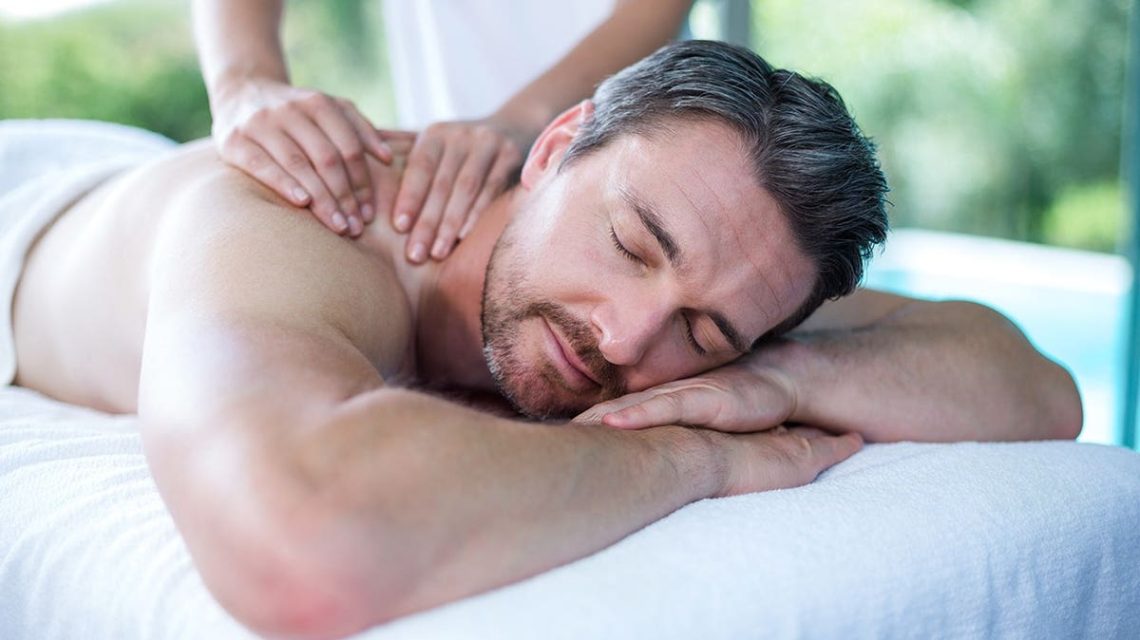
Ainsley Earhardt recently discussed the rising popularity of lymphatic drainage and ice sculpting with Nancy Vega from The Shape of You Spa in Summit, New Jersey, and internist Dr. Michael Aziz. These wellness treatments are gaining traction for aiding detoxification, reducing fluid retention and bloating, and breaking down fat cells through the activation of thermogenesis. The conversation also highlighted the importance of lymphatic system health and an increasing trend towards proactive healthcare.
Social media users have been sharing their experiences, claiming that a popular wellness treatment sometimes leads to unexpected symptoms such as aches, fatigue, and headaches.
Dr. W. Zach Smith, a Seattle-based physical therapist and co-founder of HIDEF Physical Therapy, explained that some people feel under the weather after a massage, often describing it as though they are coming down with an illness. This is sometimes termed ‘massage flu’ online, although it is not a recognized medical diagnosis.
Smith noted that soreness and fatigue are common after a massage, especially when pressure is applied to muscles for a prolonged period. This pressure can sometimes bruise the tissue, leading to discomfort. Additionally, a mild inflammatory response might occur after a session, contributing to soreness.
Drew Voelsch, a chiropractor at Forza Chiropractic in Illinois, mentioned he has encountered patients who refer to this experience as ‘massage flu’ or an ‘adjustment hangover’, with symptoms like soreness, fatigue, and mild headaches lasting 24 to 48 hours. These labels are largely the result of social media discussion.
Voelsch and Smith strongly refute the notion that massages release toxins from the body. They maintain this concept is a myth lacking scientific support, emphasizing that the liver and kidneys are responsible for the body’s waste-removal processes.
For those experiencing discomfort, Smith advises requesting less pressure or opting for shorter massages, gradually adjusting to deeper or longer sessions. Voelsch recommends drinking water, eating light before the massage, and engaging in gentle movement afterward.
Mild soreness typically does not warrant concern, but Smith encourages contacting a doctor if pain is new or persistent. Voelsch also suggests seeking medical help if symptoms persist beyond 72 hours or include fever, severe pain, numbness, tingling, spreading swelling or bruising, or faintness.
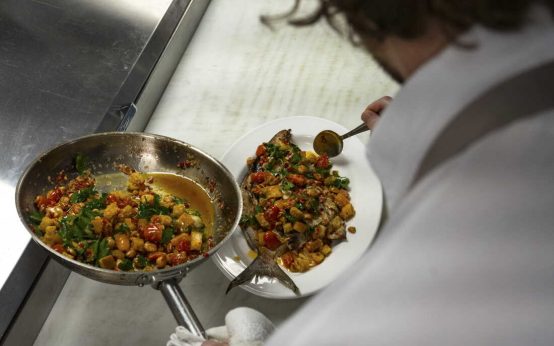 Chef Brian Landry and the Rhythms of Bayou Bar
 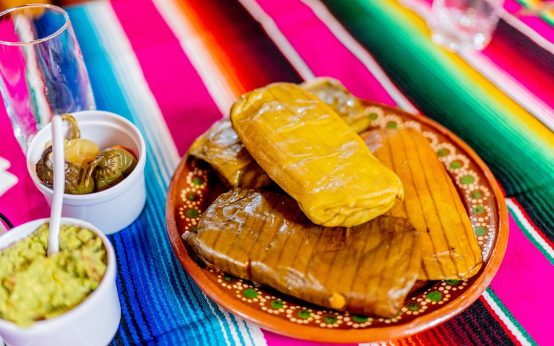 Tamale’s Decreasing Presence in Mexican Restaurants
  The Rising Trend of GLP-1 Medications Among College Students
  The Challenges and Opportunities of Testosterone Therapy for Menopausal Women
 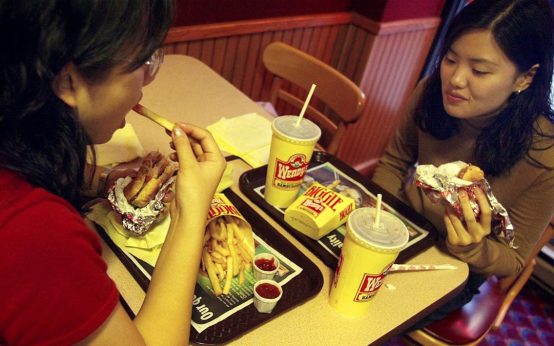 Wendy’s Reintroduces Yellow Packaging as Nostalgic Comeback
  A Senior’s Journey to Sobriety and Independence