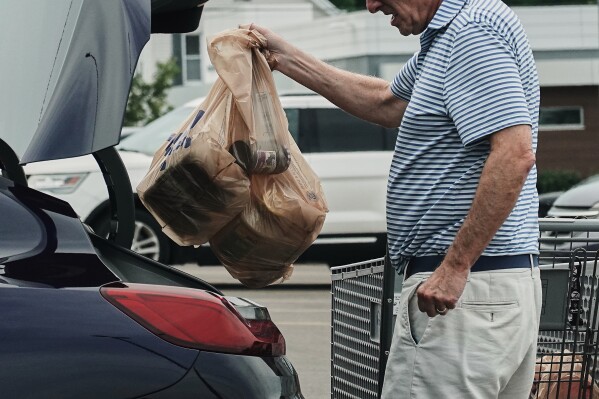
Soft, flexible plastics, such as grocery bags and bubble wraps, are prevalent in everyday life. Disposing of them effectively can be challenging. If thrown in landfills, they take hundreds of years to break down, releasing harmful microplastics into the environment. According to the Environmental Protection Agency, over 3 million tons of plastic bags, sacks, and wraps end up in U.S. landfills each year.
Challenges of Recycling Soft Plastics
Recycling these plastics involves issues. When placed in curbside bins, they often clog recycling machinery, complicating the recycling process. Erha Andini, a chemical engineer, notes that they often obstruct equipment even before being shredded.
Production of these plastics is not slowing down. Global plastic treaty negotiations have stalled, with the U.S. and other oil-producing countries opposing production limits. Thus, finding ways to manage these plastics is essential.
Identifying Plastic Films
Plastic films include items like bread bags, cereal bags, and overwrap for bulk items. To identify them, look for the three-arrow logo with a number; numbers two or four indicate high or low-density polyethylene, which can often be recycled at specific drop-off locations. More complex items, such as meat packaging, might combine several plastic layers and are more challenging to recycle in traditional ways.
Proper Disposal of Plastic Bags
Avoid placing plastic films in household recycling bins. Utilize drop-off bins at grocery stores where they are collected and sent to recyclers. For instance, Trex uses these materials to make outdoor decking. Ensure plastics are clean and free from food residues before recycling.
Concerns exist over whether collected plastics truly get recycled. Some grocers question if these materials land in landfills despite collection efforts. Local organizations, such as NOVA Creative Reuse Center, repurpose materials creatively.
Reduce Plastic Film Usage
Reduce dependency on plastic films by using reusable bags and avoiding plastic-wrapped products when possible. While plastic wrap aids food safety, small changes, like buying unwrapped produce, contribute positively.
Shopping locally or secondhand reduces reliance on plastics used in shipped products.
Reusing Plastic Bags
Repurpose plastic bags, such as for multiple grocery trips or lining trash cans, to extend their utility. Use newspaper bags for tasks like cleaning up after pets. Although some plastics will eventually end up in waste management, small efforts to reduce and reuse make a difference.
All efforts to reduce plastic waste help lessen environmental impacts, and recycling plants appreciate these changes.
 Communities Continuing Recovery from Hurricane Helene Explored through Graphic Novel
  Fat Bear Week 2026 Highlights: Meet the Competitors
  Annual Fat Bear Week Begins at Katmai National Park
  Understanding Hurricane Development
  California Prepares for El Niño-Fueled Storms with Emergency Declaration
  California’s Growing EV Adoption: Challenges and Benefits