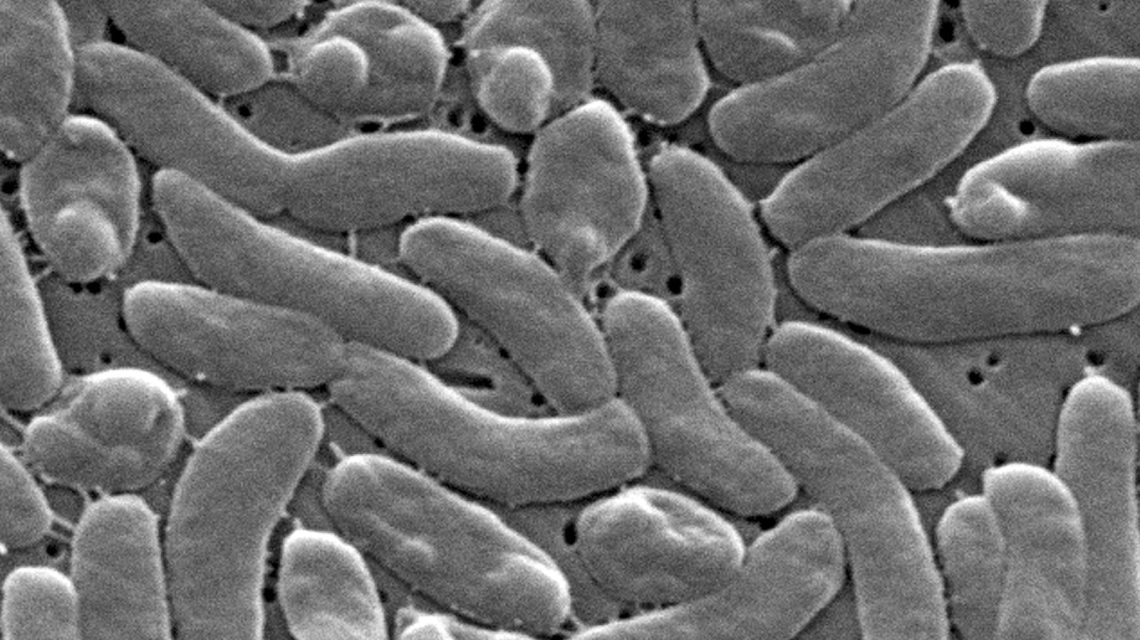
In recent months, six individuals have succumbed to a perilous infection caused by the Vibrio vulnificus bacterium in Louisiana and Florida. This bacterium, notorious for its flesh-eating potential, has become the focus of multiple warnings across the United States.
Impact in Louisiana
The Louisiana Department of Health reports nine cases of Vibrio vulnificus among state residents in 2026. All nine patients required hospitalization, and five eventually passed away. Comparatively, previous years saw an average of seven cases with one fatality. Officials have identified seawater exposure as a common factor in these infections, each patient having an underlying health condition. Residents are advised to safeguard open wounds from contact with saltwater or brackish environments, especially during warmer periods when the bacterium thrives.
Florida Cases
Florida experienced 12 cases and one fatality due to Vibrio vulnificus this year. This incident in Palm Beach County marks the state’s first death from the bacterium in 2026. The combined death count for the two states stands at six.
Hazards of Vibrio Vulnificus
Vibrio vulnificus naturally inhabits coastal waters, with prevalence peaking from May to October as water temperatures rise. The infection can occur through contact with infected water or consumption of contaminated seafood, particularly oysters. Although labeled as ‘flesh-eating’, it does not consume flesh directly but can lead to necrotizing fasciitis, a deadly condition. The CDC states that approximately 20% of infected individuals perish, sometimes within just days of infection.
Broader Spread
Beyond Louisiana and Florida, infections have arisen in Alabama and Connecticut. Alabama reported its first case in Mobile County in April 2026, with limited details disclosed. Precautionary measures had been disseminated prior to this case. Connecticut encountered an infection from contaminated oysters harvested from outside the state. There is no evidence linking cases from different states.
Understanding Vibrio Vulnificus
Vibrio vulnificus is one of many Vibrio species causing vibriosis. Unlike Vibrio cholerae, it does not transmit from person to person. Annually, the United States records about 150 to 200 cases of Vibrio vulnificus. It poses significant threats, especially to individuals with compromised health conditions such as liver disease, diabetes, cancer, HIV, thalassemia, or those on immune-suppressing medication. Similarly, individuals reducing stomach acid or recovering from stomach surgery face greater risks.
Symptoms vary based on infection type. Intestinal infections present with diarrhea, abdominal pain, nausea, vomiting, fever, and chills. Wound infections may show redness, swelling, fluid discharge, and pain at the site. In bloodstream infections, symptoms may include fever, chills, low blood pressure, and skin blisters. Prompt medical intervention is crucial for anyone displaying these symptoms after contact with coastal waters or consumption of raw seafood.
Treatment approaches vary. Mild intestinal infections typically resolve without antibiotics; maintaining hydration is vital. Severe infections necessitate antibiotic courses, while grave wound cases may require surgical intervention to remove affected tissue. Early medical care markedly increases survival chances.
For further insights on this matter, reach Newsweek editors Matthew Robinson and Trevor Davies.
 Measles Exposure in Philadelphia Raises Health Concerns
  Lawsuits Claim Vision Loss Risk from GLP-1 Medications
  States Tighten Regulations on Tianeptine, Known as ‘Gas Station Heroin’
  Medicare Lab Test Payments: Upcoming Changes and Their Implications
  Gen Z Faces Economic Barriers to Dating and Intimacy
  Understanding and Preventing Suicide: A Public Health Priority