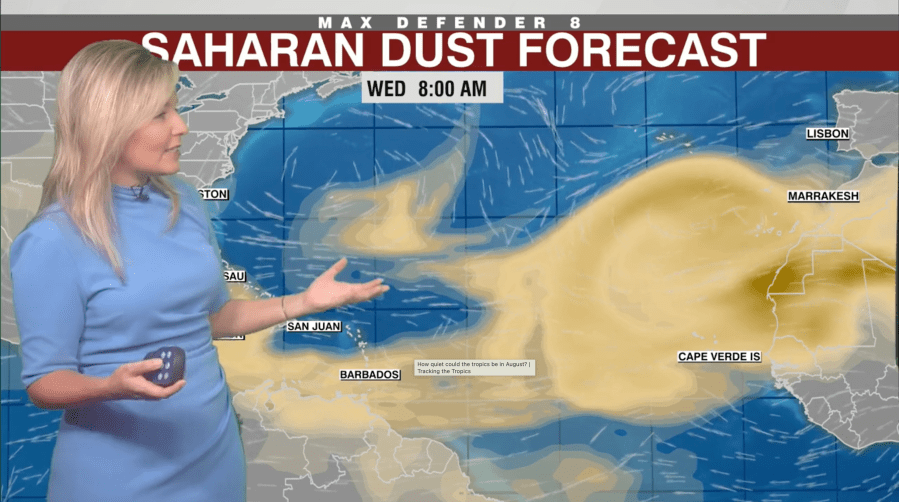
The weather across the southern U.S. is currently influenced by a natural phenomenon originating from Africa. Known as the Saharan Air Layer or Saharan dust, this massive layer of dust affects the atmosphere and weather patterns across the Atlantic.
Meteorologist Jason Dunion from the University of Miami, associated with NOAA’s Hurricane Research Division, explains that this dust travels a vast distance from Africa. It forms a ‘layer cake’ in the sky, about 2.5 miles thick and starting a mile up in the atmosphere. These dust clouds occur every three to five days during the summer, matching the size of the continental U.S. as they move across the Atlantic.
Saharan dust season reaches its peak between mid-June and mid-August. During this time, the dust alters weather in ways that might not be immediately obvious. By creating a warm, dry layer of air, the dust inhibits the formation of thunderstorms and hurricanes. ‘It really helps to cap the atmosphere,’ explains Dunion. This means it becomes difficult for storms to develop, which might explain the subdued start to the Atlantic hurricane season.
Nexstar’s WFLA meteorologist Rebecca Barry noted a significant plume of Saharan dust, rare for the late season. This dust plume, resembling those usually seen in late spring or early summer, demonstrates the dust’s ongoing influence even as the season progresses.
‘That is healthy,’ commented Barry, highlighting the plume’s size. ‘It is rare for such a late-season plume to occur.’
This dust layer not only limits storm formation but also affects temperature, particularly in the southern U.S. With fewer thunderstorms to cool the region, temperatures have climbed, leading to heat indexes reaching up to 110 degrees Fahrenheit.
Beyond the southern states, Saharan dust has reached places like Texas and Arizona. Meteorologist Freddy Vela from KXAN demonstrated how the dust continued to move across these areas.
An interesting consequence of the Saharan Air Layer is its impact on sunrises and sunsets. The dust over Florida scatters light, creating vivid orange hues at dawn and dusk. ‘To me, it’s amazing,’ shared Dunion, noting the dust’s journey of 3,000 to 4,000 miles across the Atlantic is visible in these celestial displays.
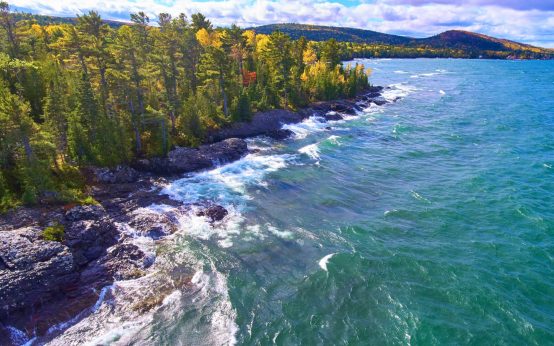 Great Lakes Face Beach Hazards Due to Dangerous Currents
  Surprising Encounter with Gulf Sturgeon in the Suwannee River
  Potential Impact of Tropical Storm Polo on Southern California
  Communities Continuing Recovery from Hurricane Helene Explored through Graphic Novel
 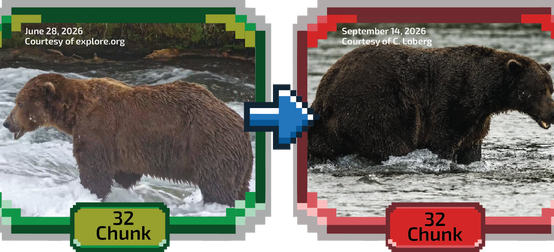 Fat Bear Week 2026 Highlights: Meet the Competitors
 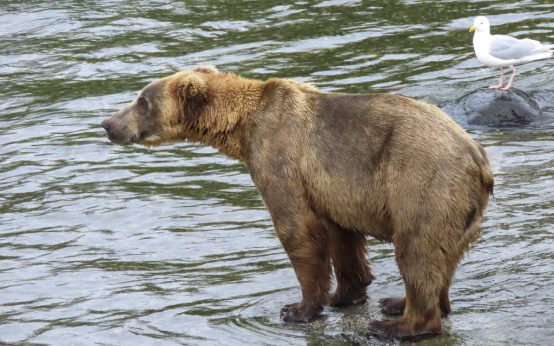 Annual Fat Bear Week Begins at Katmai National Park