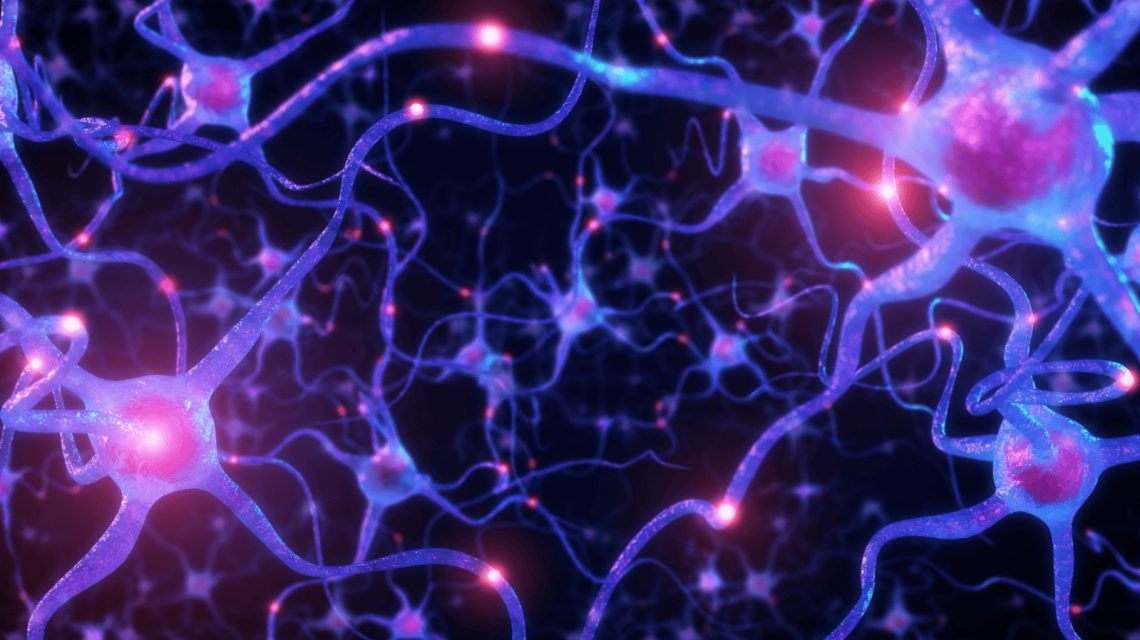
Some individuals exhibit Alzheimer’s indicators in their brains but do not develop dementia. Researchers may have identified the reason. A study presented in Cell Stem Cell examined brain tissue postmortem and noted the presence of ‘immature’ neurons possibly linked to cognitive resilience. This might help certain individuals sustain normal cognitive functions despite Alzheimer’s pathology.
Scientists analyzed the hippocampus, a vital area for memory and learning significantly impacted by Alzheimer’s. Those who remained cognitively healthy despite Alzheimer’s indications had immature neurons with features akin to younger brain cells. These findings could elucidate why approximately 30% with Alzheimer’s markers do not manifest dementia symptoms.
There is probably no single answer, but our data point to one candidate
, stated Evgenia Salta, the study’s senior author. She highlighted that resilient brains often showcase youthful neurons that might preserve surrounding brain tissues, even amidst Alzheimer’s conditions. Salta, hailing from the Netherlands Institute for Neuroscience, explained that resilience likely emerges from numerous factors. Genetic components may enhance cellular mechanisms against damage, while habits like exercise and constant learning bolster what experts term ‘cognitive reserve,’ empowering the brain to handle diseases better.
This research contributes to the growing consensus that Alzheimer’s doesn’t always culminate in dementia. While the condition involves abnormal protein accumulation in the brain, scientists are keen on understanding why some brains resist these effects. The newly uncovered neurons demonstrated distinct molecular profiles, aligning with Alzheimer’s and resilience, indicating a potential protective functionality.
According to Dr. Daniel Fenton from NewDays, despite not being part of the research, the intriguing comparison lies between those diagnosed with Alzheimer’s dementia and those with similar brain markers but retained cognitive abilities. Resilient individuals displayed increased protective and anti-inflammatory cellular actions, although neuron communication deteriorated in those developing dementia.
Though treatments are still years ahead, Salta envisages this discovery reshaping approaches to Alzheimer’s therapy. She suggested that cognitive resilience offers a new perspective, indicating that dementia might not be an inevitable aftermath but a modifiable path. Fenton hinted these insights might redefine perceptions surrounding brain repair later in life. Rather than neuron replacement, these immature cells might uphold a healthy hippocampal environment, reinforcing cognitive reserve.
If confirmed protective, these cells could shift treatment focus from merely reducing Alzheimer’s damage to enhancing the brain’s repair strategies. Salta elaborated on this potential: by early intervention, ranging from symptom delay to severity reduction, such strategies could significantly benefit patients.
Reference: Tosoni, G., Ayyildiz, D., Snoeck, S., Moreno-Jiménez, E.P., et al. (2026). Transcriptional profiles of immature neurons in aged human hippocampus track Alzheimer’s pathology and cognitive resilience. Cell Stem Cell, 33(5), pp. 763–783.e9. doi:10.1016/j.stem.2026.04.002.
 California Approves Proposition 38 for Immunology Research
 Andrew Huberman Joins Hims & Hers Board to Guide Consumer-Health Strategy
 Increase in Infant Bleeding Cases as More Parents Refuse Vitamin K Shots
 Severe Smog Engulfs New Delhi After Diwali Celebrations
 Strategies for Muscle Preservation on GLP-1 Medications
 Insights from a Hospital Executive’s Journey Working ER Shifts