
California voters have approved Proposition 38, allowing the state to issue $8.4 billion in bonds for immunology and immunotherapy research. The goal is to cure and prevent certain chronic diseases.
The measure, confirmed by the Associated Press on Monday evening, mandates that at least $4.2 billion of the funds be allocated for research on cancer, heart disease, and Alzheimer’s disease.
The proposition permits the state to partner with a selected research institute chosen by the California Department of Public Health. Half of the bond revenue will be allocated to this institute.
“This victory belongs to the patients and families who have spent years fighting devastating diseases and waiting for the next medical breakthrough,” stated Chris Tarver, a nurse and president of the American Nurses Association\California.
Opponents have voiced concerns about the measure creating long-term debt for taxpayers. They argue that the criteria for grant eligibility are so narrow that only the California Institute for Immunology and Immunotherapy currently qualifies to receive half of the bond revenue. Gary K. Michelson, who co-founded the institute and was a major backer of the proposition, invested $45 million in the campaign, according to state data.
Funds not used for the partnership will be dedicated to competitive grants awarded by a council of representatives from University of California campuses, universities, and nonprofit research institutions. These grants will focus on immunology and immunotherapy research.
Supporters announced that the approval of Proposition 38 is crucial amidst federal funding cuts, which have affected clinical trials and slowed medical advancements across the country. The Legislative Analyst’s Office estimates that Californians will incur an additional $500 million to $600 million annually for bond repayment over twenty years. There is a possibility that costs could be offset by revenue from successful research projects, but predicting marketable breakthroughs remains challenging.
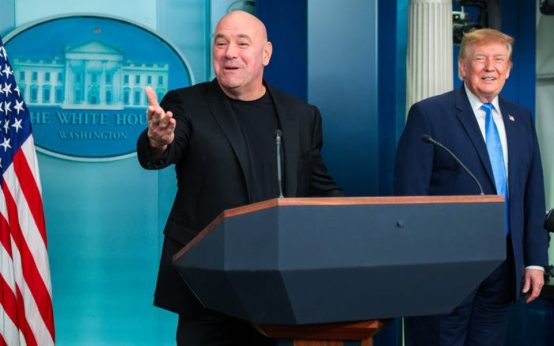 UFC’s Dana White Declines White House Press Secretary Role Amid Vacancy
 Stephen Miller’s Influence and Controversies
 Kristi Noem’s Controversial Boast and the Reaction It Sparked
 Trump’s Response to Vance’s Criticism Amid Iran War Controversy
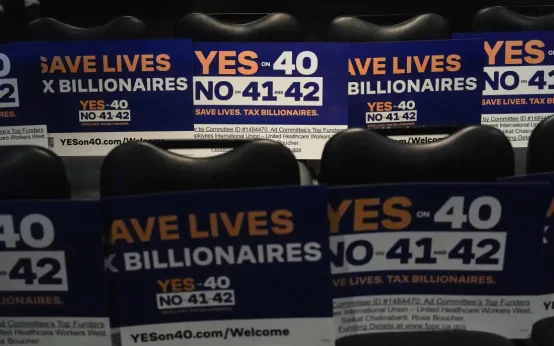 California Voters Reject Billionaire Tax Proposal
 Midterm Results Impact GOP Senate Seats Vulnerability in 2028