Germany’s World Cup Journey and Team Dynamics
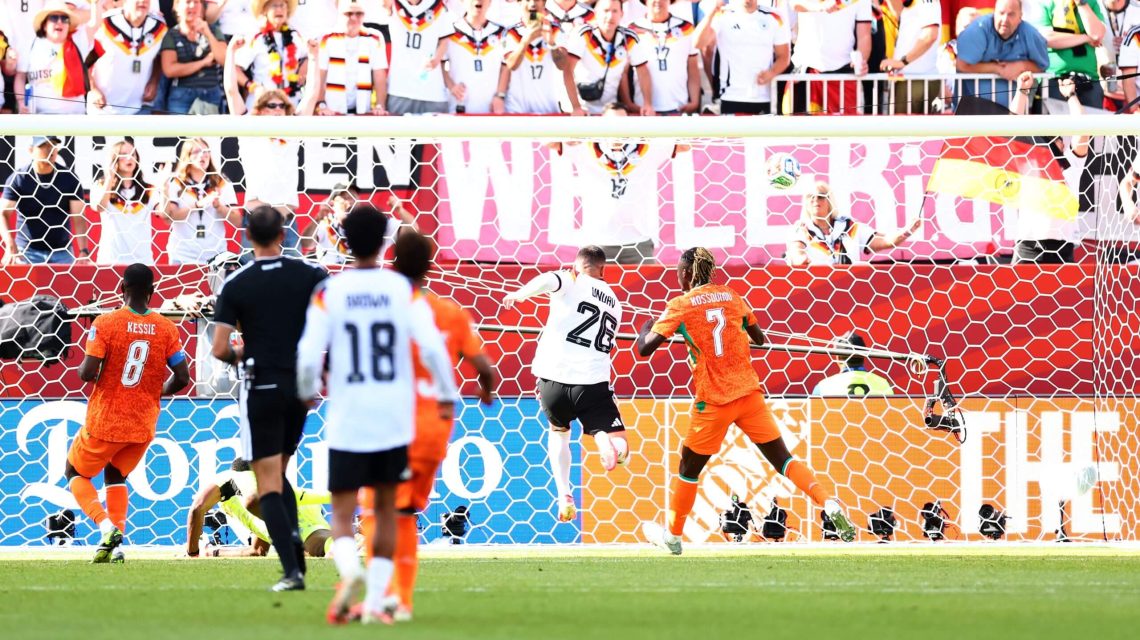
Germany, with its impressive track record in the World Cup, faced a significant challenge against the Ivory Coast. The team, trailing 1-0 due to Franck Kessie’s goal, seemed unsteady. However, the introduction of Deniz Undav was pivotal. The Stuttgart striker contributed two important goals in the second half, including a decisive stoppage-time winner. This performance secured Germany’s place in the last 32.
The match against Ivory Coast marked Germany’s second comeback win in the tournament, following South Korea’s victory over the Czech Republic. Throughout much of the game, Germany struggled to appear as inevitable winners, which might bode well for their knockout round strategy.
Their attacking efforts were lackluster in the first half. Julian Nagelsmann’s approach with a midfielder-heavy lineup initially faltered against Ivory Coast’s organized 4-1-4-1 formation. Key players like Florian Wirtz and Jamal Musiala were unable to find space to initiate attacks. The few moments of promise included a Kai Havertz header from a Joshua Kimmich cross, which the Ivory Coast goalkeeper, Yahia Fofana, expertly saved.
Germany’s performance improved with a triple substitution at the 60-minute mark, introducing Deniz Undav to pair with Havertz, providing targets in the box. This change led to a notable eight-minute sequence where new entrants, Nadiem Amiri and Undav, combined effectively, leading to Undav’s first goal.
Despite Ivory Coast’s late offensive attempts, Germany’s decisive winner came from a precise pass by Felix Nmecha to Undav, who scored flawlessly. Germany’s performance, though unconvincing, avoided repeating past group-stage exits. The strategy showed traits reminiscent of Argentina’s campaign four years ago.
Undav’s Impact and Championship Ambitions
Undav’s impact was significant, with his goals providing much-needed advantage for Nagelsmann’s team. The teamwork between substitutes, particularly Amiri’s well-timed pass and Undav’s precise finish, highlighted their contributions. Undav’s tally of 19 goals last season was second only to Harry Kane’s 36 in the Bundesliga, underscoring his prowess.
Nagelsmann’s decision to substitute Musiala for Amiri was risky but effective. Undav’s ascent from playing in lower leagues to becoming Germany’s strategic emergency option at the World Cup is noteworthy. His ability to transform opportunities into victories was crucial, yet it underscored an underlying problem—the necessity of such substitutions to salvage performances.
Strength of African Teams in the Tournament
Despite the heartbreaking finish for Ivory Coast, their performance aligned with the string of strong displays by African teams in this World Cup. The expansion in tournament slots has increased Africa’s representation to ten teams, double the number from 2022. This increase reflects the teams’ qualification merits.
Ivory Coast’s deployment initially outmatched Germany in the first half, maintaining a strong defensive line and exploiting Germany’s vulnerabilities, particularly focusing on Kimmich’s defensive shortcomings.
Morocco, carrying forward their historical achievement of reaching the semi-finals four years ago, continues to excel with impressive results against Brazil and Scotland. Senegal’s strong start against France and Cape Verde’s successful defense against Spain illustrate the continent’s potential.
In other matches, Egypt secured a point against Belgium, and DR Congo’s comeback against Portugal was commendable. Ghana’s late win over Panama sets up a promising outlook for the knockout stages.
Germany’s Defensive Concerns
Germany’s defense remains susceptible. Ivory Coast’s tactics exposed Germany’s known defensive fragility. Throughout critical turnover phases, Germany’s defense struggled with isolation issues, evident before and after Kessie’s goal.
The goal conceded highlighted these issues—Germany’s defensive strategy compromised basic security in favor of aggressive ball progression. The team conceded due to an unchecked cross leading to Kessie’s tap-in, showcasing Germany’s recurring defensive lapses.
Potential solutions may involve revising Nagelsmann’s midfield structure, possibly sacrificing a forward position for enhanced defensive reliability, though this carries its own risks to offensive dynamics. Resolving Germany’s defensive dilemma while maintaining attack efficiency remains a challenge.
Player Developments and Upcoming Matches
Elye Wahi of Ivory Coast faced obstacles prior to the match, linked to allegations of match-fixing. Despite initial travel restrictions and investigations by French authorities, Wahi later joined the World Cup squad.
Wahi’s involvement was constrained due to team strategy changes, replaced by Evann Guessand after his initial responsibilities against Ecuador.
Ivory Coast vs Curacao: Thursday, June 25, 4pm ET, Philadelphia, U.S.
Germany vs Ecuador: Thursday, June 25, 4pm ET, New Jersey, U.S.
 Sophie Cunningham’s Recognition at Trump Rally and Advocacy for Female Athletes
 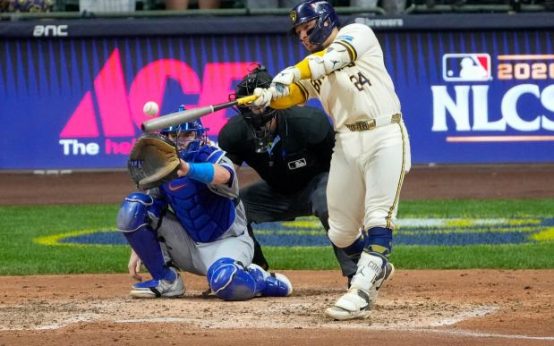 William Contreras Ignites Brewers with Power and Passion
  Crown Point’s Tyce Custy: A Quarterback with Maturity and Talent
 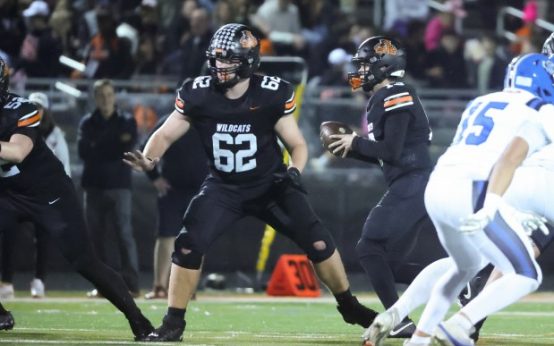 Colten Siebert’s Leadership Transforms Libertyville Football
 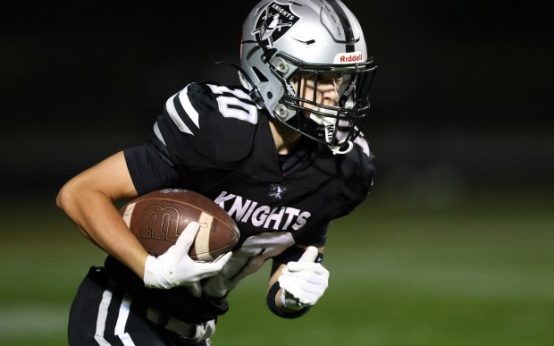 Kaneland’s Colton Ludwig: Small in Stature, Big in Impact
  Aubrey Deverick Shines at Sandburg’s Senior Night