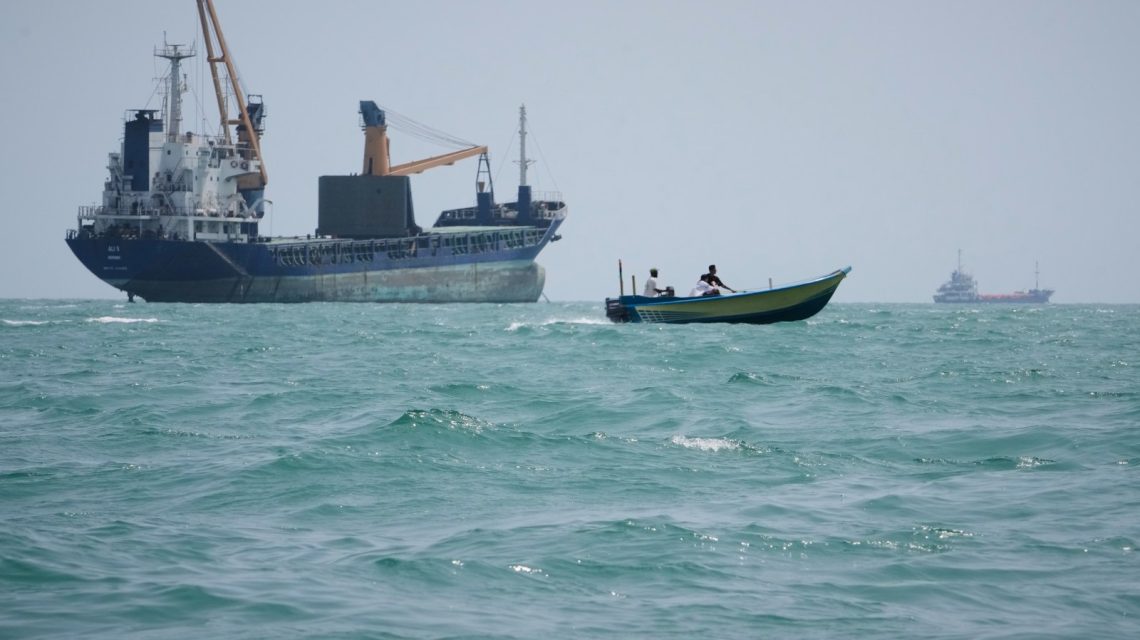
U.S. Enforces Maritime Blockade in Strait of Hormuz
The U.S. military has redirected 100 commercial vessels over the last 60 days, enforcing a maritime blockade against Iran in the strategic Strait of Hormuz. U.S. Central Command (CENTCOM) confirmed that no ships have passed through without U.S. authorization, underscoring American security operations.
The Strait of Hormuz is crucial for global petroleum and natural gas transit, with disruptions posing a threat to energy markets and economic stability. Efforts to stabilize the waterway diplomatically remain stalled.
Impact on Global and American Energy Markets
The confrontation between the U.S. and Iran has significantly impacted oil transit through the strait, leading to concerns over supply shortages. This has driven crude oil prices higher. Diesel prices in the U.S. recently hit a record of over $6 per gallon, while the national average gas price reached $4.31 per gallon, according to AAA.
Increased energy costs have contributed to higher living expenses in the U.S., affecting freight and delivery costs, agriculture, and heating bills. Businesses are passing these additional costs onto consumers.
Political and Economic Reactions
The Trump administration’s strategy combines military enforcement with economic sanctions to curb Iran’s oil exports and influence. President Trump has acknowledged that it may take longer for gas prices to decrease, suggesting a post-election downturn.
Iran’s Position
Iran opposes the U.S.-led blockade, advocating for regional management of security in the strait. Iranian Foreign Ministry spokesperson Ismail Baghaei stated that consultations with Oman are ongoing, emphasizing regional collaboration without foreign intervention. Iran continues to champion its actions as self-defense while remaining open to diplomatic solutions.
Regional Discussions and Security Concerns
Iran condemned U.S. operations, arguing they interfere with lawful trade.
Negotiations with regional stakeholders in Oman are not expected to lead to immediate agreements, indicating continued uncertainty. Both the U.S. and Iran report different perspectives on strait access control.
Security concerns have escalated with reports of attacks and conflicting claims on who controls the strait access.
For further insights, contact Newsweek editor Anthony Murray.
 U.S. Strategic Goals Remain Unmet Amid Prolonged Conflict
  New Photos Reveal Damage from Iranian Strikes in the Middle East
  Assassin of Chilean Diplomat Orlando Letelier Faces Deportation 50 Years After Assassination
  Gorillaz and Macklemore Respond to Controversy Over Israel-Palestine Statements
  Investigation into Lion Deaths in Tanzania
  Merz Stays Resolute Amid Electoral Shifts in Germany