
Bismarck, N.D. – The serenity of fishing is often pictured as an angler with a fishing pole, enjoying the peacefulness of nature. However, the introduction of forward-facing sonar technology is transforming this idyllic image. Anglers now use advanced sonar equipment, often costing thousands of dollars, to get an exact image of walleye or bass in the depths below.
The Functionality of Forward-Facing Sonar
Forward-facing sonar devices are mounted on boats, typically on the bow or back. They emit sound frequencies that convert into images based on the time it takes the sound to hit the bottom and return. While past sonar products showed fish locations, advancements now allow anglers to see real-time images of fish.
Dave Dunn, a sales executive at Garmin, explains the equipment can be attached to trolling motors to precisely locate fish at any moment. The cost for a complete setup is approximately $2,500, and the technology also displays lure movements, aiding in targeted casts.
Angler Experiences with New Technology
Minnesota angler Terry Rehm appreciates the technology for maximizing his limited fishing time due to work and family commitments. Forward-facing sonar helps him find and catch more fish efficiently.
Fishing is a popular recreational activity with tens of millions participating yearly. However, motivations vary. Some enjoy the tranquility and beauty of the surroundings, while others focus on catching fish using high-tech tools. Adoption of forward-facing sonar is increasing, with studies in Minnesota showing about 30% use among anglers, and up to 63% on specific lakes.
Debate Surrounding Technology
The debate on forward-facing sonar is prominent on social media, podcasts, forums, and tournaments. Opinions vary, similar to political discussions. Anglers like Gary Korsgaden argue that fishing’s essence has shifted from enjoyment to focusing on success or quantity.
Impact of Sonar on Fishing Practices
Research suggests that forward-facing sonar might not lead to overfishing. A controlled experiment in Wisconsin showed anglers without the technology caught more fish overall, though sonar users caught slightly longer fish. This indicates the technology might influence fishing behavior but not necessarily increase catch rates significantly.
The Minnesota Department of Natural Resources found no negative impacts from the technology on fish populations statewide. Catch rates and fish variety remained similar between sonar users and traditional anglers.
Regulations and Personal Perspectives
Regulatory proposals such as reducing the daily walleye limit from six to four fish reflect technological advancements among other factors like social media attention and ice fishing trends.
For anglers like Daren Schneider from Bismarck, North Dakota, forward-facing sonar has revolutionized their understanding of fish behaviors, enhancing both their fishing success and enjoyment. Schneider believes fishing is about creating memories, whether it’s through traditional methods or with advanced technology.
 Understanding the Q-Collar’s Role in Brain Protection for Athletes and Soldiers
 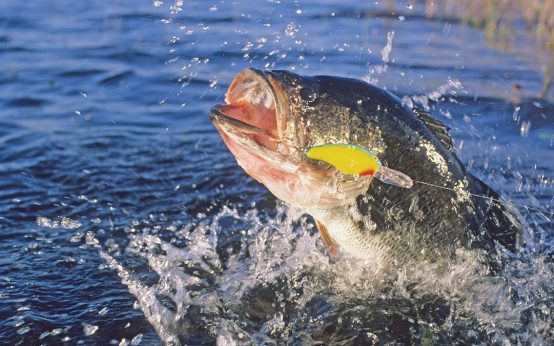 Buchmann’s Innovative Approach to Winning Bassmaster Elite Qualifier
  Attorney General Blanche Opposes New AI Regulations
  Jaxson Dart’s Season-Altering Injury and Marissa Ayers’ Support
  Sunday Reflections and Football’s Ups and Downs
  Parallels Between ‘Threads’ and AI Fears