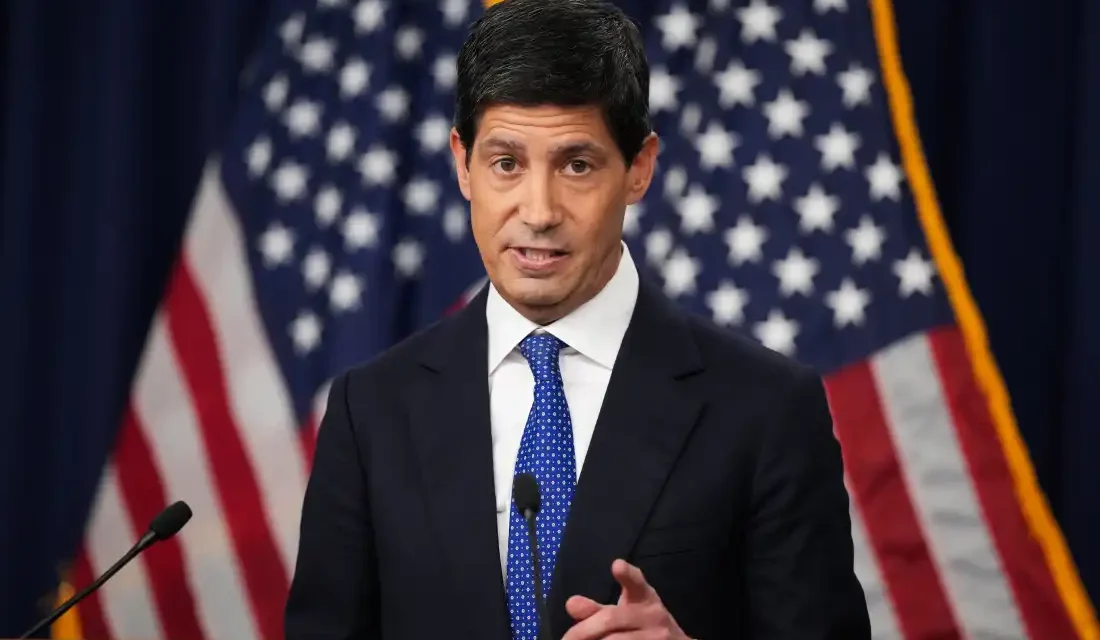
Federal Reserve Chairman Kevin Warsh and his colleagues decided to keep the benchmark interest rate unchanged. This decision follows a previous rate increase in September aimed at combating ongoing inflation pressures.
The central bank continues its commitment to achieving price stability, a task made challenging by rising energy prices resulting from tensions with Iran. The Fed’s rate-setting committee recognized the persistent elevated inflation in a statement.
Despite the September increase marking the first hike in over three years, inflation continues to rise. Consumer prices saw a 3.7% increase compared to last year, surpassing the previous month’s growth. Dan North, senior economist at Allianz Trade, remarked, “That inflation line is going up, not down.”
Timing of the decision not to adjust rates coincides closely with the upcoming midterm elections, potentially influencing the Fed’s cautious approach. “It would be suspicious if there were a hike before the midterm,” said North. However, many anticipate a rate increase at the December meeting.
Fed governor Lisa Cook and Beth Hammack advocated for a quarter-point rate hike at the latest meeting, although most policymakers chose to maintain current rates. The benchmark rate, currently between 3.75 and 4%, impacts short-term lending costs, including credit cards. Longer-term rates, influenced by the bond market, are also tied to Fed decisions.
Mortgage rates, hitting a three-year high of 7.4% earlier in October, slightly eased later on. High home loan costs have contributed to a continued downturn in the housing market over four years.
Investment in artificial intelligence remains robust, unaffected by interest rate adjustments. Companies funnel money into A.I. data centers, driving up costs for construction materials and electronic equipment. “The A.I. companies don’t care what interest rate they have to pay,” North noted.
Consumer spending shows resilience, particularly among higher-income shoppers benefiting from stock market gains. Meanwhile, wage growth for less affluent families lags behind inflation, as average wages rose only 3% over the past year. Lower and middle-income Americans are experiencing diminished purchasing power, which affects their perception of the economy negatively.
Mark Zandi, chief economist at Moody’s Analytics, observed: “Lower and middle-income Americans are having a real struggle. Their purchasing power is actually declining. And that’s a pretty uncomfortable place to be.”
 James Dolan’s Alleged Discontent Over Potential White House Visit
 Controversy Over Russian Diesel Shipments to the U.S.
 Political Influences on Consumer Shopping Habits
 Understanding Early Social Security and SSI Payments: October and November Schedule Explained
 California Fisherman Survives Suspected Shark Attack on Kayak
 Candidate Distances Themselves from Controversial Ad